Vegetables
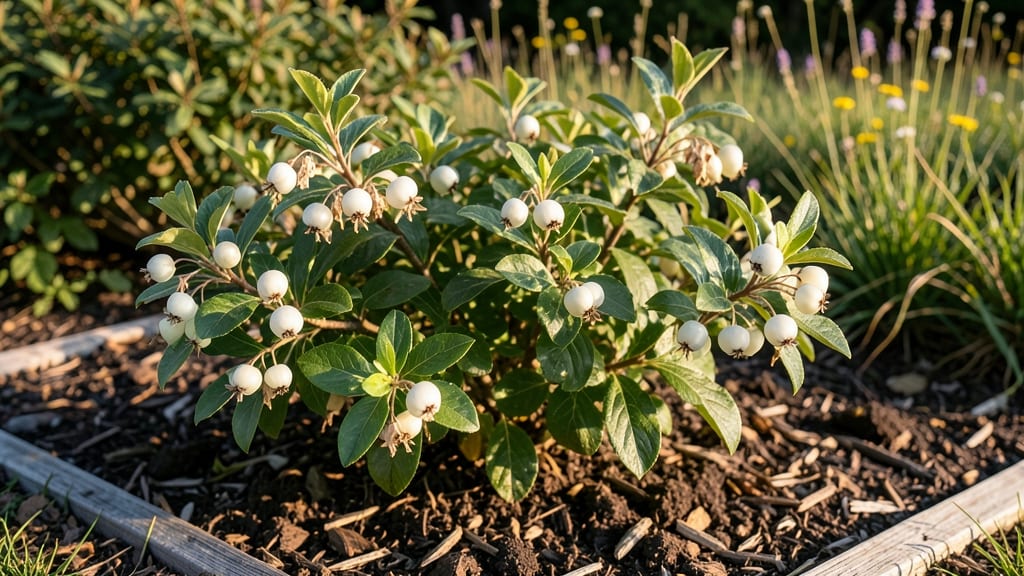
Determining the Boise garden zone reveals it spans USDA Hardiness Zones 6b to 7a, with winter temperatures dipping between -5°F and 5°F (-21°C to -15°C). This classification shapes which plants flourish year-round, from hardy perennials to drought-tolerant annuals ideal for Idaho’s unique high-desert environment.
Boise’s elevation of 2,785 feet creates a distinct growing environment where continental climate patterns dominate. The city’s microclimates—like urban heat islands in downtown versus cooler rural areas—can shift zone boundaries by up to 1-2 degrees.
This explains why some gardeners in northern Boise might struggle with tropical plants like hibiscus, while others in southern neighborhoods successfully grow heat-loving varieties like rosemary or thyme.
The average 150 frost-free days also means careful timing for cool-season crops like kale or peas, which need protection from late spring frosts. 🌿
Understanding these nuances helps you select plants that not only survive but thrive. For example, Russian sage and catmint are perennial favorites because they handle Boise’s dry summers and cold winters, while potatoes and garlic benefit from the city’s well-drained soils.
Container gardening is another smart workaround for urban spaces with limited growing seasons—just choose cold-hardy varieties like swiss chard or broccoli for extended harvests. The key is matching your garden’s specific conditions to the right plants, not just the zone number.
💡 In This Article
- USDA Hardiness Zones in Boise: Climate Factors and Plant Survival
- Best Plants for Boise’s USDA Zones 6b-7a: A Seasonal Guide
USDA hardiness zones in Boise: climate factors and plant survival
Boise’s 2,785-foot elevation creates a unique growing environment where cold air settles quickly, especially in valleys like the Boise River Greenbelt. This high-desert location means temperature swings of 30°F or more between day and night during summer, while winter lows can plunge to -10°F in exposed areas.
The continental climate—characterized by dry, cold winters and warm, dry summers—pushes plants to develop deep root systems and drought tolerance, much like species found in the Mediterranean or Rocky Mountains. 🌵
The city’s microclimates further complicate zone classification.
Urban heat islands in downtown Boise can raise temperatures by 5-10°F compared to rural areas, creating pockets where Zone 7a plants like rosemary thrive year-round, while just 5 miles north, gardeners in Zone 6b must protect tender plants like hibiscus with winter wraps.
These variations explain why frost dates shift from mid-October in northern neighborhoods to late October in southern districts—a critical factor for vegetable gardeners timing cool-season crops like spinach or broccoli.
Drought-resistant species like Russian sage and lavender dominate Boise gardens because their silver-gray foliage reflects sunlight, reducing water loss, while deep roots tap into moisture stored 3-6 feet underground. The science behind this adaptation involves cuticular wax layers that minimize transpiration—similar to how cacti survive in deserts.
Meanwhile, tropical plants like hibiscus or bougainvillea struggle because they require consistent humidity and frost-free conditions, which Boise’s 150 frost-free days and low winter humidity (often below 50%) simply can’t provide. 🌡️
Temperature extremes also dictate plant survival. Boise’s record low of -30°F (set in 1989) explains why only Zone 5-hardy perennials, like peony or daylily, survive unprotected.
However, the city’s 100+ days above 90°F during summer favors heat-tolerant annuals such as zinnia or cosmos, which can handle full-sun exposure without wilting. This duality—frigid winters and scorching summers—demands careful plant selection, often blending cold-hardy roots with heat-resistant foliage.
Soil composition plays a hidden role too. Boise’s well-drained loamy soils (a mix of sand, silt, and clay) prevent waterlogging, which tropical plants often require. Instead, native species like serviceberry or wild rose thrive because their roots adapt to low organic matter and alkaline pH (7.5-8.0).
For gardeners, this means amending soil with compost or peat moss can improve moisture retention, but overdoing it risks suffocating roots in Boise’s naturally fast-draining conditions. 🌱
What most gardeners overlook is how wind patterns amplify cold stress. Boise’s prevailing westerlies funneled through the Boise Foothills can create wind chills that drop perceived temperatures by 10-15°F, making exposed gardens feel colder than sheltered ones.
This is why windbreaks—like evergreen shrubs or fences—are essential for protecting tender plants during late spring or early fall frosts. The result? A 2-3 week extension of the growing season for heat-loving crops like tomatoes or peppers.