Vegetables
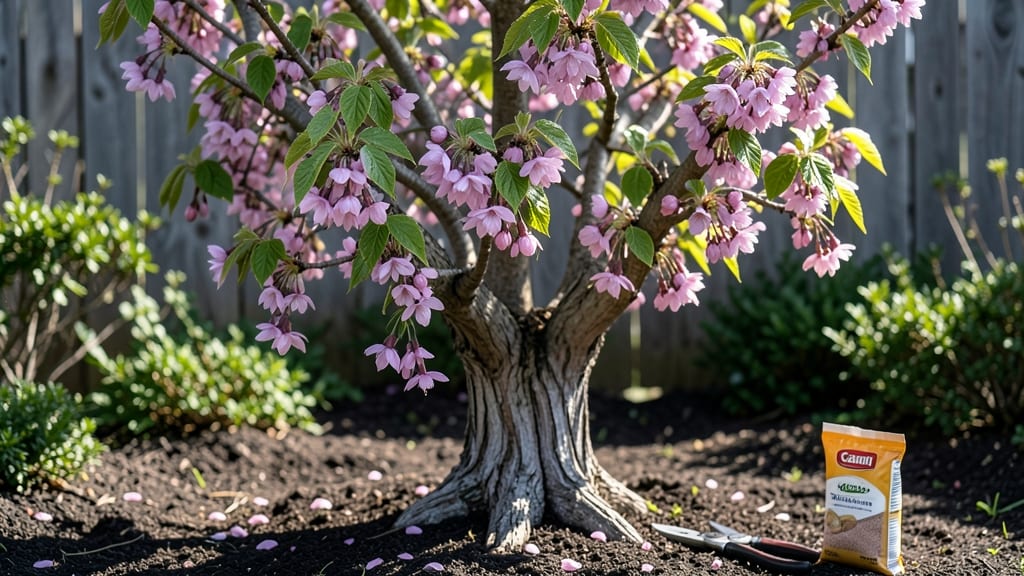
Washington, DC's garden zone (USDA 7a-8a) determines which plants thrive in its cold winters (0°F to 15°F) and hot summers (90°F+), making it ideal for everything from hardy perennials to heat-loving vegetables.
DC's USDA 7a-8a classification reflects its unique climate challenges—think sudden freezes in spring or urban heat islands that push summer temps higher than rural areas. 🌿 This means while citrus trees struggle, cold-hardy crops like kale and broccoli flourish, while peppers and tomatoes need extra summer heat protection.
The key is matching plants to microclimates: a north-facing urban garden may need frost-sensitive varieties planted later than suburban plots.
For vegetable gardeners, this zone's short growing season (about 180 days) demands strategic planning—early spring plantings of peas and lettuce, followed by heat-tolerant crops like okra and sweet potatoes in July.
Perennials such as lavender and daylilies become low-maintenance staples, while annuals like zucchini reward quick harvests before fall's chill sets in.
💡 In This Article
- Understanding DC’s Plant Hardiness Zones 7a-8a
- Top Crops and Plants Thriving in DC Gardens
Understanding DC’s plant hardiness zones 7a-8a
DC's classification spans zones 7a to 8a because its climate creates a delicate balance between cold snaps and summer heat. The key factor is the Potomac River's moderating effect—it prevents extreme temperature swings that would push DC into a single zone.
For example, while 7a areas near Rock Creek Park experience 0°F winters, 8a pockets near the Anacostia River stay above 10°F due to urban heat retention and river warmth. This gradient explains why bougainvillea thrives in 8a but wilts in 7b without winter protection.
The city's humidity—averaging 65-75% in summer—creates another layer of complexity. High moisture levels accelerate fungal growth on plants, making 7a areas more prone to blight on tomatoes than 8a zones where drier air prevails.
Meanwhile, DC's urban heat island effect pushes microclimates 3-5°F warmer than surrounding suburbs, allowing heat-loving crops like eggplant to mature 10-14 days faster in downtown gardens than in Maryland's outer counties. This urban warmth also extends the growing season by 2-3 weeks in city centers.
Zone transitions matter most for cold-sensitive species. A 7b vs. 8a difference means citrus trees need winter protection in 7b but can survive outdoors in 8a with minimal care. The threshold temperature for damage is 28°F—below this, citrus leaves blacken within hours due to cellular rupture.
Similarly, bougainvillea's growth slows below 50°F, making 7a gardens require container culture for winter survival. These transitions explain why nurseries in 7a DC carry more cold-hardy varieties of hibiscus than those in 8a.
Seasonal shifts create additional challenges. Spring's last frost date varies by 10-14 days between 7a (typically April 15) and 8a (around April 1), forcing gardeners to adjust planting schedules.
Summer's 90°F+ heat waves trigger heat stress in peppers and tomatoes, while fall's sudden 30°F drops can kill tender basil overnight. This volatility means gardeners in 7a must use row covers for 30% longer than those in 8a to protect crops.
Soil conditions amplify these effects. DC's clay-heavy, alkaline soil (pH 7.5-8.0) drains poorly, creating waterlogged pockets that stress roots during summer downpours. In 7a areas, this moisture retention extends the growing season by 1-2 weeks compared to 8a, where faster-draining soils promote earlier planting.
The result? 7a gardeners can grow cool-season crops like spinach until May 10, while 8a gardeners must harvest by April 20 to avoid bolting.
Here's what this means for your garden: Pay attention to microclimates—a south-facing wall can create a 5°F warmer zone than your yard's average. Use these observations to extend seasons: plant heat-loving crops like okra in 8a pockets, while 7a gardeners focus on cold-hardy kale.
The zone map is just a starting point—your specific location's nuances will determine what truly thrives. 🌱