
Pests
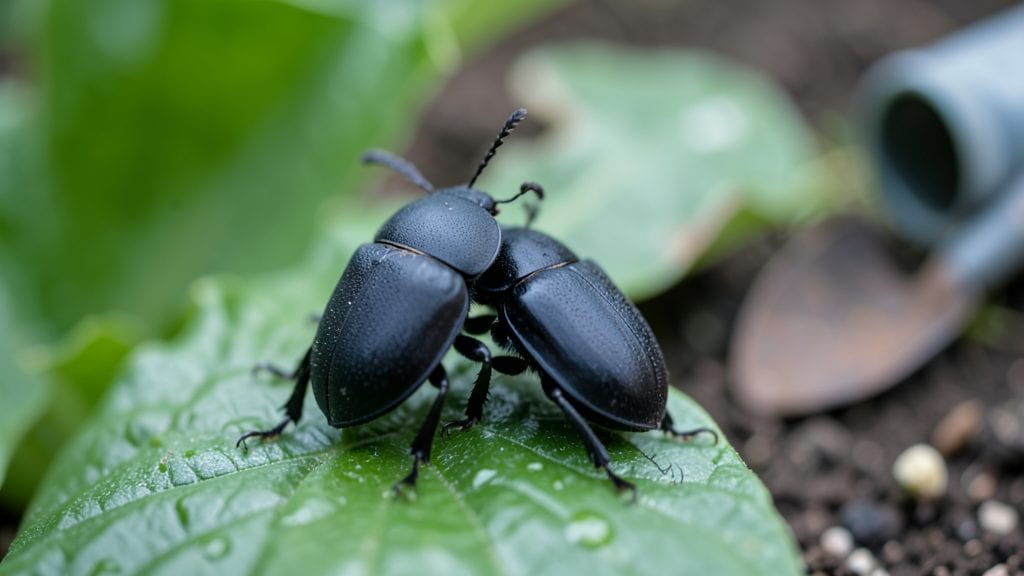
Black beetles in the garden can turn your hard work into a buffet for pests like Japanese beetles or black vine weevils. 🌱 I’ve spent years wrestling with these shiny invaders, and sticky traps turned out to be my secret weapon—no chemicals, just effective capture.
The key is choosing the right traps—yellow or blue sticky boards work best for flying beetles, while pitfall traps catch crawling types. You’ll need a few supplies: traps, a little alcohol or soapy water (to weaken beetles before they escape), and a spot near trouble areas.
Set them up at dusk when beetles are most active.
Within a week, you’ll see the difference: fewer chewed leaves, no more skeletonized roses, and a garden that stays lush instead of looking like a beetle buffet. The traps don’t harm plants or beneficial insects, just the pests you’re targeting.
For stubborn infestations, combine traps with companion planting (like marigolds or catnip) or healthy soil practices. If the problem persists, it might be time to call in reinforcements—like a local pest control pro who specializes in organic methods.
📚 In This Guide
- What you need
- Instructions
- Tips and common mistakes
- Wrapping up and next steps
What you need
- ● Yellow or blue sticky traps: 4–6 traps (6" x 8" or 12" x 16" size, depending on garden area). Pro tip: 💡 Avoid green traps—beetles ignore them!
- ● Sticky adhesive: Reusable or disposable (e.g., Tanglefoot or homemade with petroleum jelly + sawdust).
- ● Scissors or utility knife: For cutting traps to size if needed.
- ● Measuring tape: To space traps 5–10 feet apart.
- ○ Stakes or small flags: 4–6 (optional, for marking trap locations).
- ● Gloves: Nitrile or latex (to avoid sticky residue).
- ● Spray bottle with soapy water: For rinsing hands/tools after handling traps.
- ● Flashlight: For evening inspections (beetles are nocturnal!).
- ● Notebook & pen: To track beetle activity over time.
- ● Identify beetle hotspots: Check under leaves, near mulch, or along garden edges.
- ● Choose non-toxic locations—keep traps away from edible plants or pet areas.
- ● Check local regulations: Some areas restrict sticky traps near water sources.
How to set up sticky traps for black beetles in the garden
Here's how to keep your garden free of black beetles without harming your plants or beneficial insects.
🪴 Step 1: Choose the Right Traps and Locations
Sticky traps are your best bet for black beetles—they're simple, chemical-free, and won't harm your plants. I like yellow or blue traps because black beetles (like black vine weevils or black cutworms) are attracted to these colors. Place traps near problem areas—under leaves, along garden edges, or near host plants like roses or tomatoes.
For 4 traps, position them 12-18 inches apart in a grid pattern. Avoid placing them directly on soil where they might trap beneficial ground-dwelling insects. Instead, use small stakes or plant ties to elevate them 6-8 inches above the ground. This keeps them visible to beetles while minimizing collateral damage to helpful bugs.
💧 Step 2: Apply the Sticky Surface Correctly
Once traps are in place, apply the sticky coating evenly across the surface. I use a petroleum-based adhesive (like Tanglefoot) because it dries clear and lasts longer than water-based options. Dip a soft paintbrush into the adhesive and spread it thinly—thick layers can trap rainwater, making the trap less effective.
Work quickly to avoid drips. If you accidentally get adhesive on your hands, wipe it off immediately with mineral spirits. Let the traps dry for 1-2 hours before checking for beetles. The sticky surface should look glossy but not wet—this ensures maximum stickiness without attracting unwanted debris like pollen or dust.
☀️ Step 3: Monitor and Replace Traps Weekly
Check traps every 3-4 days during peak beetle activity (early morning or late evening). Black beetles will be stuck to the surface, making them easy to spot. Use tweezers to remove any trapped insects—don’t leave them decomposing on the trap, as this can attract pests or create a mess.
Replace traps every 7-10 days, even if they still look sticky. Over time, the adhesive loses effectiveness, and old traps can become breeding grounds for mold or fungi. Keep a small trash bag nearby to dispose of captured beetles—bury them or flush them down the toilet to prevent reinfestation.
✂️ Step 4: Combine with Other Pest Control Methods
Sticky traps work best as part of a multi-layered approach. While they capture beetles, they won’t eliminate the problem entirely. Add neem oil spray (mixed with water) to deter beetles from laying eggs. I spray every 7 days at dusk when beetles are most active—just avoid spraying directly on flowers to protect pollinators.
Also, remove plant debris regularly. Black beetles love hiding in mulch or dead leaves, so keep your garden tidy. If you notice chewed leaves or wilting plants, handpick beetles in the evening when they’re sluggish. Drop them into soapy water for immediate disposal.
⏰ Step 5: Time Your Trap Placement for Best Results
Set up traps before you see signs of beetle damage—early intervention is key. Black beetles are most active at night and in warm, humid conditions, so place traps 2-3 weeks before you expect them to appear (like when nighttime temps stay above 65°F).
If you’re dealing with black vine weevils, focus on traps near potted plants—these beetles love container gardens. For cutworms, place traps along garden edges where they hide during the day. Rotate trap locations every 2 weeks to prevent beetles from avoiding the area entirely.
Tips & tricks for effective black beetle traps
Here's what I've learned after years of battling black beetles—these tricks make sticky traps work even better.
Color Matters: Yellow and blue traps are your best bet because black beetles are naturally drawn to these colors. If you can't find pre-colored traps, you can paint them yourself using non-toxic, waterproof paint. Just make sure the paint is completely dry before applying the sticky coating—any moisture can reduce the adhesive's effectiveness.
Elevation is Key: In Step 1, when positioning your 4 traps, remember that 6-8 inches above the ground is ideal. This height keeps them visible to beetles while avoiding ground-dwelling beneficial insects. I've found that using small wooden stakes works just as well as plant ties and is often more visible to beetles.
Adhesive Application Tip: When applying the petroleum-based adhesive in Step 2, work in a well-ventilated area. The fumes from mineral spirits can be strong, so open windows or work outside if possible. Also, use a soft paintbrush to apply the adhesive—it gives you better control and prevents drips that could create sticky messes on your plants.
Monitoring Strategy: The 3-4 day monitoring schedule in Step 3 works best during peak beetle activity, which is typically early morning or late evening. I've found that using a small flashlight with a red LED helps me check traps without disturbing nocturnal insects. Red light doesn't trigger the same reactions in insects as white light does.
Pro Tips for Black Beetles In The Garden
- Here's what I've learned after years of battling black beetles—these tricks make sticky traps work even better.
- Color Matters: Yellow and blue traps are your best bet because black beetles are naturally drawn to these colors.
- Elevation is Key: In Step 1, when positioning your 4 traps, remember that 6-8 inches above the ground is ideal.
Frequently asked questions
Got questions about those sneaky black beetles wreaking havoc in your garden? You’re not alone! Here are some of the most common concerns—and practical solutions—to keep your plants safe while keeping the critters unharmed.
What kinds of black beetles are commonly found in gardens?
Your garden might host Japanese beetles, black vine weevils, or ground beetles. Japanese beetles are notorious leaf-chewers, while vine weevils attack roots and stems. Ground beetles? Mostly beneficial! Identify yours with a magnifying glass or snap a photo for a quick ID online.
When is the best time to set up sticky traps for black beetles?
Timing is key! Deploy traps in late spring to early summer when beetles are most active. For Japanese beetles, aim for June to August—they’re drawn to traps during peak feeding hours (early morning or late evening). Check traps every 2–3 days to avoid overwhelming them (or your yard!).
Will sticky traps harm my plants or beneficial insects?
Sticky traps are selective—place them near problem areas (like roses or grapes) and avoid flowering plants to protect pollinators. For extra safety, use yellow or UV traps, which attract beetles but deter bees and butterflies. Pro tip: Elevate traps (5–6 feet high) to minimize collateral damage.
What should I do if traps get overwhelmed or stop working?
Overloaded traps? Rotate them every 1–2 weeks or switch to pheromone traps for Japanese beetles. If traps lose stickiness, clean them with rubbing alcohol and reapply the adhesive. For stubborn infestations, combine traps with neem oil sprays or kaolin clay as a barrier—just avoid spraying traps directly!
Are there non-sticky alternatives to control black beetles?
Try these plant-safe methods:
- Handpicking: Drop beetles in soapy water (early morning when they’re sluggish).
- Milk spray: Mix 1 part milk to 9 parts water—disrupts beetle feeding enzymes.
- Beneficial nematodes: Targets grubs in the soil (ideal for vine weevils).
- Row covers: Physical barriers for young plants.
Combine methods for the best results!
Wrapping up and next steps
Black beetles in your garden don’t have to mean disaster—with the right non-toxic sticky traps, you can protect your plants without harming them. These traps are a smart, eco-friendly way to monitor and reduce pest populations while keeping your garden thriving. 🌱
Ready to take action? Start by setting up your traps today and enjoy a pest-free (or at least pest-managed!) garden in no time. Need more tips? Explore organic pest control methods to keep your green space happy and healthy!