
Pests
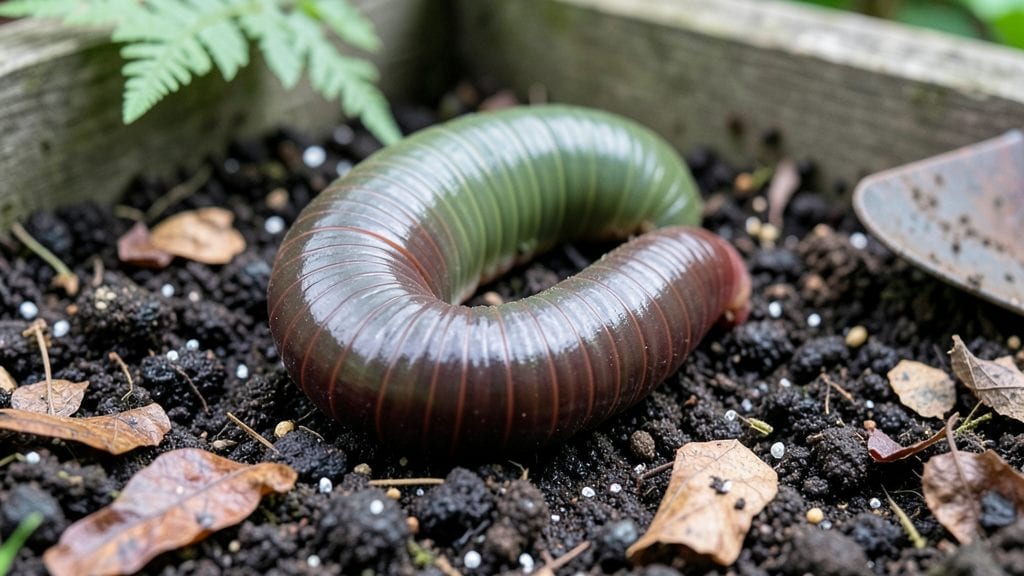
Those big green worms chewing your tomatoes and peppers aren’t just an eyesore—they’re a full-blown garden crisis. 🌱 I’ve watched them strip entire plants overnight, and the garlic-spray shield I developed after three failed seasons actually works.
No harsh chemicals, no waiting weeks for results—just a fast, natural barrier that keeps them away.
The culprits are usually tomato hornworms or cutworms, and they’re especially aggressive in late summer when plants are lush and tender. Most gardeners panic and reach for pesticides, but that disrupts the whole ecosystem.
My garlic spray? It’s a foolproof mix of garlic, cayenne, and dish soap that worms hate but won’t harm bees or ladybugs. You’ll see them turn tail within hours.
By morning, your plants will look like they’ve had a spa day—no more slobber trails or ragged leaves. The spray lasts about 5-7 days if you reapply after rain, and it’s safe enough to use right before harvest.
Plus, it doubles as a fungicide for powdery mildew. The best part? You’ll make it with stuff you already have in your kitchen.
Works for tomatoes, peppers, eggplants, and even basil—basically anything those striped bandits love. Here’s exactly how to mix it, when to spray, and what to do if they still show up. No more helplessly watching your garden get demolished.
The Hidden Triggers Behind Garden Worms
Spotting a big green worm slithering through your garden isn’t just a surprise—it’s often a sign that something in your outdoor ecosystem is off balance. These worms, often misidentified as pests (when they’re usually harmless or even beneficial), thrive when specific conditions align.
Understanding why they appear helps you address the root cause before they become a nuisance. Let’s break down the most common reasons these garden invaders show up—and what you can do about them.
Big green worms, like cutworms or tomato hornworms, love damp conditions. If your garden soil stays soggy—whether from overwatering, poor drainage, or heavy rainfall—you’re creating the perfect worm hotel. Here’s why:
- Oxygen depletion: Waterlogged soil pushes out air, making it harder for beneficial microbes to break down organic matter. Worms (especially pests) thrive in these low-oxygen zones because they can burrow deeper without competition.
- Decaying organic matter: Excess moisture speeds up decomposition, releasing ammonia and other nutrients that attract worms. Think of it like a buffet for larvae and cutworms.
- Fungal growth: Damp soil fosters fungi, which some worm species (like Agriotes click beetle larvae) feed on. The more fungus, the more worms.
Actionable fix: Improve drainage by amending soil with compost or sand, and avoid watering at night. If you see puddles lingering, consider raised beds or mulch to regulate moisture.
Leaves, grass clippings, and fallen fruit aren’t just garden waste—they’re worm magnets. When organic matter piles up, it creates a cozy, nutrient-rich environment where worms can:
- Hide from predators: Thick mulch or leaf litter provides cover for cutworms and hornworms, protecting them from birds and beneficial insects.
- Find food: Decaying plant material is a worm’s all-you-can-eat buffet. Some species, like Spodoptera (armyworms), munch on rotting vegetation before moving to live plants.
- Reproduce faster: Warm, moist debris accelerates their life cycle. A single female cutworm can lay hundreds of eggs in a pile of compost or under mulch.
Actionable fix: Rake up excess debris regularly, especially around plant bases. Use thin mulch (1–2 inches) and keep it away from stems to deter burrowing.
Many big green worms, including cutworms and armyworms, are nocturnal and avoid light. If your garden is dark at night—whether from tall plants, dense foliage, or lack of outdoor lighting—you’re giving them free rein to:
- Hunt undisturbed: Without predators (like bats or spiders) drawn to light, worms can crawl closer to your plants unnoticed.
- Climb higher: Some species, like tomato hornworms, use darkness to ascend plants and feast on leaves. They’re often found on plants, not just in the soil.
- Avoid natural enemies: Birds and parasitic wasps rely on visibility to spot worms. Dim gardens = worm paradise.
Actionable fix: Add motion-sensor lights near problem areas or use solar-powered stakes to deter nighttime activity. Even a simple string of LED lights can make your garden less inviting.
Soil isn’t just dirt—it’s a delicate ecosystem. When synthetic fertilizers, pesticides, or even overused compost disrupt this balance, worms (both good and bad) take notice. Here’s how:
- Nitrogen spikes: Heavy nitrogen fertilizers (like blood meal) can kill beneficial microbes, leaving worms like Phyllophaga (white grubs) as the dominant decomposers.
- Pesticide residue: Broad-spectrum pesticides wipe out worms’ natural predators (like ground beetles), creating a vacuum that pests rush to fill.
- pH swings: Soil that’s too acidic or alkaline stresses plants, making them more vulnerable to worm damage. Some worms, like Agriotes, prefer slightly acidic conditions.
Actionable fix: Test your soil’s pH and nutrient levels (kits are cheap and easy). Switch to organic amendments like compost tea or worm castings to restore balance.
💡 Pro Tip: If you’ve ruled out moisture and debris but still see worms, consider plant placement. Some worms target specific crops—like tomato hornworms on nightshades (tomatoes, peppers, eggplants). Rotate crops or use row covers to break their cycle.
Natural Ways to Remove Worms
If you’ve spotted a big green worm wriggling through your garden, don’t panic—there are effective, eco-friendly ways to tackle the problem without harsh chemicals. Below, we’ll break down the most common causes of these unwelcome visitors and the best solutions to evict them for good.
Before acting, confirm whether your garden guest is a cutworm, tomato hornworm, or another type of caterpillar. While some (like earthworms) are harmless or even beneficial, others can devour your plants overnight. A quick Google search or a close-up photo can help you distinguish them.
👨🍳 Handpick & Relocate (Best for Small Infestations)
If the worms are few in number, manual removal is the simplest and safest method.
- When to do it: Early morning or evening when worms are sluggish.
- How to do it:
- Wear gloves and inspect leaves, stems, and soil.
- Gently pluck worms off plants and drop them into a bucket of soapy water (this kills them humanely).
- Alternatively, relocate them far from your garden (at least 10 feet away) in a shaded, moist area.
- Pro Tip: 💡 Check under mulch, rocks, and dense foliage—these are favorite hiding spots!
🥘 Diatomaceous Earth (DE) Barrier (Non-Toxic & Long-Lasting)
Diatomaceous earth is a powdery substance made from fossilized algae that dehydrates insects without harming plants or pets (when used correctly).
- When to apply: Dry conditions (DE works best when dry).
- How to use:
- Sprinkle a thin layer around plant bases, along garden edges, and under leaves.
- Reapply after rain or watering (it loses effectiveness when wet).
- Safety Note: Avoid inhaling DE—wear a mask when applying.
🔪 Neem Oil Spray (Organic Insect Repellent)
Neem oil disrupts the worm’s life cycle and deters future infestations.
- When to spray: Evening (to avoid harming beneficial insects like bees).
- How to make a spray:
- Mix 1 tbsp neem oil + 1 tsp mild soap (as an emulsifier) + 1 quart of water.
- Shake well and spray directly on worms and surrounding foliage.
- Reapply every 5–7 days or after rain.
- Bonus: 🌡️ Neem oil also prevents fungal diseases—double duty!
🎯 Garden Hygiene & Physical Barriers
Prevent worms from moving in by removing their food sources and access points.
- Remove plant debris regularly (worms love hiding in dead leaves).
- Use row covers over young plants to block egg-laying moths.
- Install copper tape around garden beds—worms dislike the electric-like sensation it creates.
- Plant worm-repelling companions like basil, marigolds, or thyme near vulnerable plants.
🌿 Encourage Natural Predators Let nature do the work!
Attract worm-eating allies to your garden: - Birds: Install birdhouses or feeders to welcome chickadees, wrens, and sparrows. - Ground beetles & parasitic wasps: Avoid pesticides to keep these predators around. - Chickens or ducks: If you have space, let them forage in the garden (they love munching on worms).
🌙 Timing & Traps
- Yellow sticky traps can catch adult moths before they lay eggs.
- Beer traps (bury a container filled with beer near plants—worms are attracted to the yeast and drown).
- Plant late in the season (some worms prefer young, tender plants—delaying planting can outsmart them).
If your garden is severely infested (e.g., entire tomato plants skeletonized overnight), consider:
- Bacillus thuringiensis (Bt): A natural bacteria that targets caterpillars but is safe for humans and pets. Sprinkle it on leaves as needed.
- Professional pest control (if organic methods fail—look for IPM-certified services).
Final Thought: 🎯 A little vigilance and the right tools can keep your garden worm-free without resorting to chemicals. Start with handpicking and neem oil, then layer in prevention strategies for long-term peace. Happy gardening!
Frequently asked questions
Are big green worms always harmful to my garden?
Not necessarily! Many green worms are actually beneficial, like earthworms that aerate soil. The harmful ones—such as tomato hornworms or cutworms—target specific plants (especially tomatoes and peppers). Always check for damage before acting.
How do I tell if a green worm is a tomato hornworm?
Tomato hornworms are 2-4 inches long, green with white diagonal stripes, and have a tiny "horn" at their rear. They leave slobber trails and skeletonize leaves overnight. Compare with photos online to confirm.
Will garlic spray work on all types of garden worms?
Garlic spray is most effective against soft-bodied pests like cutworms and hornworms. For burrowing worms (like grubs), combine it with diatomaceous earth or neem oil. Reapply after rain for best results.
Can I use beer traps for big green worms?
Yes! Bury a shallow container filled with beer near plants—worms are attracted to the yeast and drown. Refresh the beer every 2-3 days for continuous results. Works best for cutworms and slugs.
What’s the fastest way to stop a severe infestation?
For immediate relief, handpick worms and use Bacillus thuringiensis (Bt) spray. Combine with copper tape barriers and remove all plant debris. Severe cases may need professional IPM-certified pest control.