Vegetables
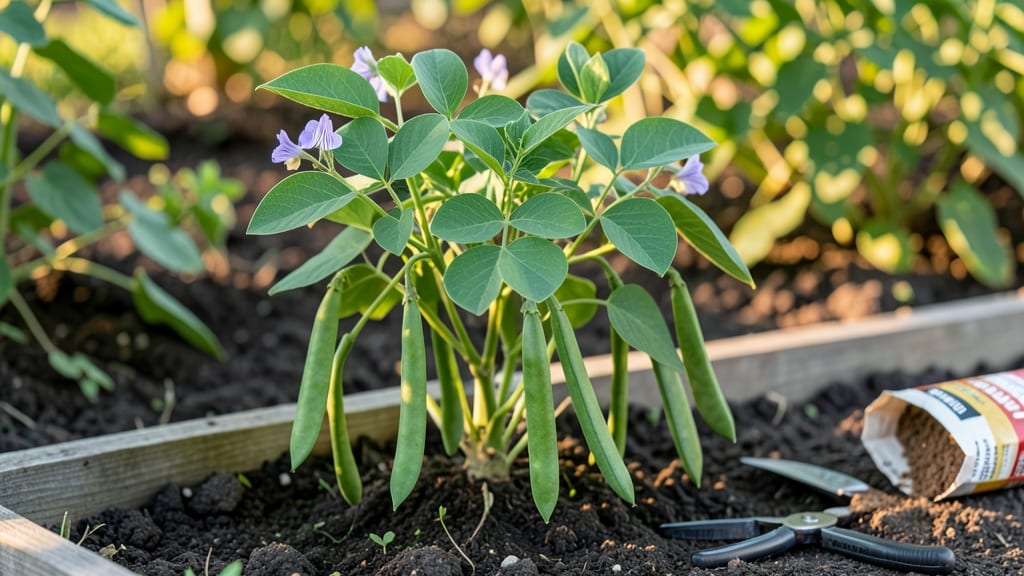
Garden beans and green beans aren't the same: garden beans include mature, dried varieties like kidney beans or pinto beans, while green beans specifically mean the young, unripe pods of Phaseolus vulgaris harvested before seeds form. Both come from the same plant but serve entirely different roles in cooking.
This distinction matters because what you call "beans" changes how you prepare them. 🌱 Green beans are harvested when pods are tender and crisp, perfect for sautéing or steaming, while dried garden beans require soaking and long cooking times to soften their tough skins.
The same plant produces both—it's all about timing! For example, if you let green beans mature on the vine, they'll turn into navy beans or black-eyed peas instead.
Many gardeners accidentally harvest too late, turning potential green beans into dried varieties. The key is watching pod size and color—green beans should be picked when they're 3-5 inches long and bright green, while dried beans need to stay on the plant until pods turn brown and seeds harden.
💡 In This Article
- Botanical and Culinary Differences Between Garden and Green Beans
- How to Grow and Harvest Green Beans vs Dried Garden Beans
Botanical and culinary differences between garden and green beans
The confusion between garden beans and green beans starts with the same plant: Phaseolus vulgaris, a species with over 400 varieties. What changes isn't the plant itself but when and how you harvest it.
Green beans are the immature pods—harvested when they're 3-5 inches long and still tender—while garden beans refer to the mature seeds inside those pods, which develop when left on the vine to dry.
The pods themselves contain 1-8 seeds depending on the variety, but the key difference lies in the seed-to-pod ratio and moisture content.
Here's what's actually happening botanically: when you harvest green beans, you're interrupting the plant's natural seed maturation process. The pods contain underdeveloped seeds that are high in moisture (85-90% water content) and low in starch.
In contrast, dried garden beans have 10-15% moisture and much higher starch levels after full maturation. This transformation happens through a process called desiccation, where the plant actively moves water out of the pods and seeds, causing them to harden and darken in color.
The culinary implications are significant because these differences affect texture and cooking methods. Green beans have a crisp, snappy texture when fresh, with a mild, slightly sweet flavor that cooks down to tender-crisp in 5-8 minutes.
Dried beans, however, require 1-2 hours of soaking followed by 45-60 minutes of cooking to break down their tough skins and complex carbohydrates. The same plant produces both—it's all about the harvest window.
For example, a Kentucky Wonder pole bean plant can yield green beans if picked early, or black beans if left to mature.
What most people don't realize is how the pod structure changes during maturation. Immature pods have thin, flexible walls with minimal fiber content, while mature pods develop thicker, more fibrous walls that contain the developing seeds.
The seed coat itself thickens from 0.05mm in green beans to 0.2-0.5mm in dried varieties, creating that characteristic tough exterior that requires long cooking times. This structural change is what gives dried beans their distinctive creamy yet firm texture when properly prepared.
Consider these key factors when identifying varieties: green beans include types like Blue Lake or Roma, while garden beans encompass kidney beans, pinto beans, and black beans.
The same plant can produce both—just look at the Phaseolus vulgaris varieties like Jacob's Cattle, which yields green beans when harvested young and black beans when fully mature.
The color change from green to brown isn't just cosmetic—it signifies the pod's transformation from a food source to a seed dispersal mechanism.
This distinction matters because it affects everything from storage to nutrition. Green beans are best eaten fresh or lightly cooked to preserve their crispness and high vitamin C content (12mg per 100g).
Dried beans, however, develop higher levels of resistant starch (up to 15%) during maturation, which benefits gut health but requires longer cooking. The same plant can thus provide both quick, fresh eating and long-term storage solutions—just harvest at the right stage!
The science behind this involves plant hormones called abscisic acid and ethylene, which trigger the maturation process. As the pods age, these hormones signal the plant to stop producing chlorophyll (giving the pods their green color) and instead focus on seed development.
This is why you'll see pods turn yellow or brown before the seeds are fully formed—it's the plant's way of preparing for seed dispersal. Understanding this process helps gardeners time their harvests precisely for either green beans or dried varieties.