
Planting
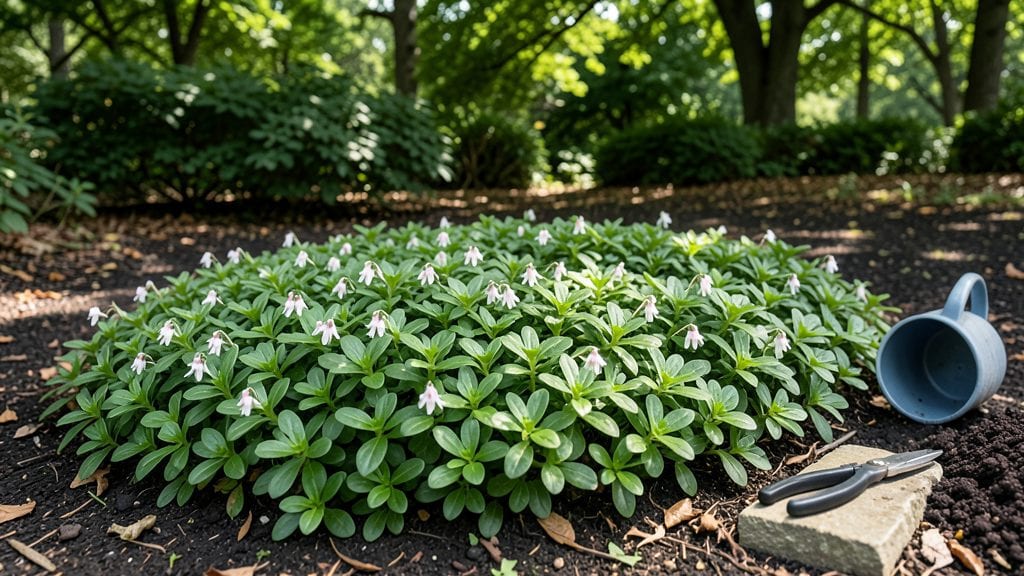
Zone 4 gardening thrives with cold-resistant plants like coneflowers, Russian sage, and hardy perennials, while planting timelines shift between late spring (after frost) and early fall (before hard freeze). Start seeds indoors 6-8 weeks before last frost for optimal growth.
Zone 4's extreme winters (-10°F to -30°F) demand plants with deep root systems and rapid regrowth after frost, like catmint and black-eyed Susans. 🌱 The key is timing—late spring planting (after last frost) gives roots time to establish before cold snaps, while fall planting (6 weeks before first frost) leverages cooler soil temps for stronger growth.
Many gardeners swear by mulching with straw or leaves to insulate roots during winter, which can raise soil temps by 5-10°F and protect against freeze-thaw cycles.
For vegetables, cool-season crops like kale and peas thrive in Zone 4's shorter growing season, while warm-season plants need early starts indoors. The 6-8 week rule for indoor seeding isn't arbitrary—it accounts for germination time plus the 4-6 weeks needed for seedlings to harden off before transplanting.
Pro tip: Use a planting calendar with your specific last frost date (typically mid-May in most of Zone 4) to align your schedule with nature's timeline.
💡 In This Article
- Best Cold-Hardy Plants for Zone 4 Gardens
- Zone 4 Planting Calendar by Month
Best cold-hardy plants for Zone 4 gardens
Zone 4's brutal winters (-10°F to -30°F) force plants to develop survival strategies that go beyond mere cold tolerance. The most resilient species, like coneflowers (Echinacea), have deep taproots that penetrate 3-5 feet into the soil, accessing moisture and nutrients even when surface layers freeze solid.
Their fibrous root systems also spread horizontally, creating a network that stabilizes the plant against winter winds and prevents soil erosion from freeze-thaw cycles. 🌿 What's fascinating is how these roots act like natural insulation—studies show they can maintain soil temps 5-8°F warmer at depth compared to exposed areas.
The bloom cycles of these plants are equally impressive. Take Russian sage (Perovskia atriplicifolia), which thrives in Zone 4 despite its Mediterranean origins.
Its secret lies in delayed bud formation—flowers don't develop until late summer when soil temps drop below 70°F, avoiding the heat stress that would kill tender annuals. The plant then enters a semi-dormant state, with only its woody stems exposed to cold, while protected buds remain viable until spring.
This photoperiodic adaptation (responding to daylight length) is why Russian sage blooms reliably year after year with minimal care.
Drought tolerance becomes a critical advantage in Zone 4's unpredictable rainfall patterns. Plants like black-eyed Susan (Rudbeckia) have evolved thick, waxy leaves that reduce water loss by up to 40% compared to non-hardy varieties.
Their deep roots also make them far more resilient during summer droughts that often follow harsh winters. What most gardeners don't realize is how these drought-adapted plants actually benefit from winter—the freeze-thaw cycles naturally aerate compacted soil, making nutrients more accessible when growth resumes in spring. 💧
When comparing annuals versus perennials, the longevity advantage becomes clear. While annuals like cosmos provide vibrant summer color, they require complete replanting each year—a major time investment in Zone 4's short growing season.
Perennials, however, establish robust root systems their first year, then simply re-emerge stronger each spring with minimal division or transplanting. The tradeoff? Perennials often have slower initial growth compared to fast-blooming annuals, but their 5-10 year lifespan makes them far more sustainable for cold climates.
Vegetable gardeners in Zone 4 rely on a different set of cold-hardy champions. Kale (Brassica oleracea) actually sweetenens when exposed to frost—a chemical process where starches convert to sugars as temperatures drop below 32°F.
This isn't just folklore; studies confirm that frost-treated kale contains up to 30% more sugars than unfrosted leaves. Similarly, Swedish turnips develop protective layers of antifreeze proteins in their cells that prevent ice crystal formation, allowing them to survive -20°F without damage.
These adaptations explain why many Zone 4 gardeners extend their harvests well into November.
The key to successful Zone 4 gardening lies in understanding these plant mechanisms. While annuals offer seasonal variety, perennials provide low-maintenance reliability that annuals simply can't match. The plants that thrive here share three critical traits: deep root systems, delayed growth cycles, and water conservation strategies.
What's most remarkable is how these adaptations often work in tandem—like Russian sage's drought tolerance making it more cold-resistant by maintaining cellular hydration during winter.