
Picking
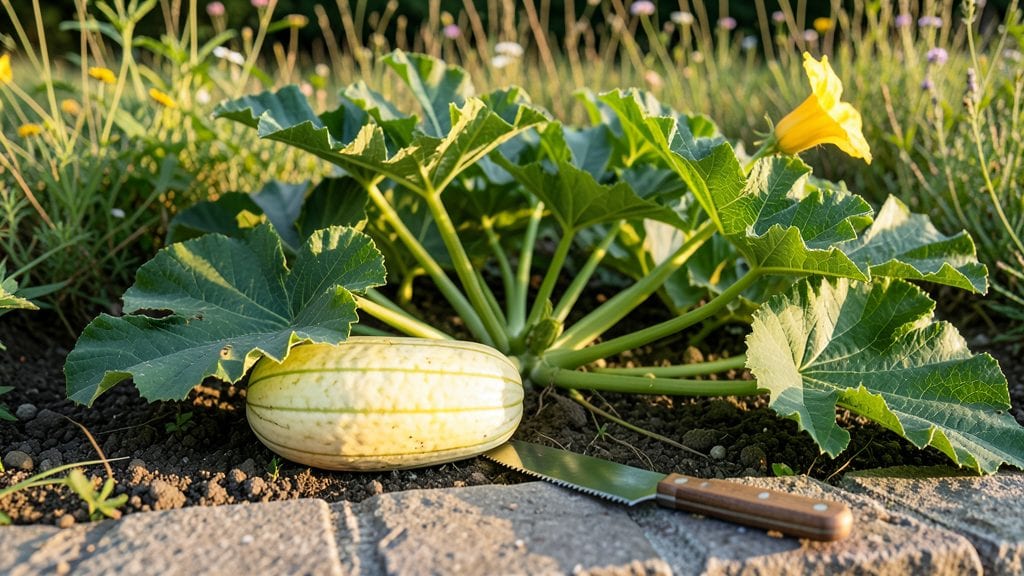
Picking spaghetti squash at the right moment turns your garden harvest into tender, stringy perfection—but wait too long, and you're left with a tough, flavorless mess.
Harvesting too early means underripe squash that falls apart when cooked, while waiting too long turns the flesh into wood. The key is watching for three clear signs: a dull yellow rind, a dry stem, and skin that resists gentle pressure.
In USDA Zone 6a, most varieties mature between 85-100 days after planting, typically landing in late summer or early fall. But don't rely on days alone—visual cues and a simple nail test will tell you exactly when to harvest your 🎃 for the best results.
Once you've picked it at peak ripeness, I'll show you how to store it properly so the strands stay tender for weeks, plus how to avoid the most common mistakes that ruin harvests every season.
How to test spaghetti squash tenderness before harvesting
Picking spaghetti squash at the wrong time can ruin your harvest—too early means hard, stringy flesh, while too late turns it wooden and bitter. The key is mastering three simple tests: the nail test, stem check, and color cues.
These methods work together to confirm perfect ripeness every time, saving you from wasted effort and tough squash strands.
Start by examining the skin color, which shifts from bright green to a dull yellow or tan when ripe. This change signals the squash has matured enough for harvesting.
Combine this with the other two tests for foolproof results. Pro tip: Morning sunlight enhances color visibility, so check your squash early in the day for the most accurate reading.
Next, focus on the stem condition, which should begin drying out and turning brown. A fresh, green stem means the squash needs more time, while a completely dried stem could mean it’s overripe.
The ideal stem is partially dried but still attached—this ensures the squash is ready for harvest without being too mature.
Now, let’s dive into the step-by-step process with our foolproof tenderness test. This method ensures you never guess again about whether your spaghetti squash is ready to pick.
Step-by-Step Spaghetti Squash Tenderness Test
- 1. Color Check: Look for a dull yellow or tan rind. Avoid squash with green patches, as they’re underripe. Use natural light for the most accurate assessment.
- 2. Stem Test: Gently grasp the stem near the squash. It should feel dry and papery, not fresh or rubbery. A fully dried stem may mean the squash is overripe.
- 3. Nail Test: Press your thumbnail into the squash skin. If it doesn’t dent easily and feels firm, the squash is ready. A soft spot means it needs more time.
- 4. Vine Inspection: Check the vine for yellowing leaves or dying back. Healthy vines with some yellowing indicate ripeness, while fully green vines signal underripe squash.
- 5. Size Matters: A ripe spaghetti squash typically weighs 3-5 pounds. Smaller squash may be underripe, while oversized ones could be overripe.
If your squash passes all three tests—the color check, stem condition, and nail test1-inch stem attached. This helps prevent rot during storage.
Overripe spaghetti squash loses its sweet flavor and develops a woody texture. Watch for signs like a completely dried stem or a shriveled rind.
If you miss the harvest window, store squash in a cool, dry place for up to 2 months, but expect a decline in quality over time.
Underripe squash, on the other hand, will have green skin and a soft, yielding rind. If you pick too early, the flesh won’t develop its signature tender, spaghetti-like strands. To avoid this, monitor your squash weekly after flowering, as spaghetti squash typically matures in 85-100 days.
For gardeners in cooler climates, extend the growing season with row covers or plant in warm microclimates. This ensures your squash has enough time to ripen before the first frost. Always prioritize consistent sunlight and even watering to promote healthy growth and ripening.
Once harvested, cure your spaghetti squash by storing it in a warm, dry place for 5-7 days. This process enhances flavor and texture, making it even more delicious when you’re ready to cook. Happy harvesting!
Best harvest time for spaghetti squash by season & climate
Timing your spaghetti squash harvest depends on your local climate and growing season length. In warm climates (like Florida or Southern California), you’ll typically harvest in 85-100 days after planting, while cool regions (like the Pacific Northwest or Northeast) may need 90-110 days due to slower growth.
Understanding these variations ensures you avoid tough, stringy squash or missed harvests.
Frost plays a critical role—even a light frost can damage vines and ruin ripening.
In Southern states, harvest begins as early as late August, while Northern gardeners should aim for September-October before the first frost. Humidity levels also matter: high humidity can delay ripening, while dry heat speeds it up, so adjust your expectations accordingly.
Sunlight exposure directly impacts maturity. Full-sun locations (6-8 hours daily) produce faster ripening, while partial shade can extend the timeline by 10-15 days. If your garden receives less than 6 hours of sun, prioritize the sunniest spots for your squash plants to meet harvest windows.
Regional variations create distinct harvest calendars. Southern gardeners in USDA Zones 8-11 can start harvesting as early as August 15, while Northern growers in Zones 3-6 should plan for late September to October. Always monitor vine health—yellowing leaves signal impending frost and the need to harvest soon.
If you’re in a transition zone (like Zone 7), pay close attention to weather forecasts. A sudden cold snap can force early harvesting, while unexpected heat waves may accelerate ripening. Extend your season by using row covers or black plastic mulch to protect plants and maintain warmth.
Once you’ve identified your harvest window, use the thumbnail test as your final check: press gently into the squash skin. If it resists, it’s ready! Store harvested squash in a cool, dry place (50-55°F) for up to 3 months to preserve tenderness. 🎃