
Pruning
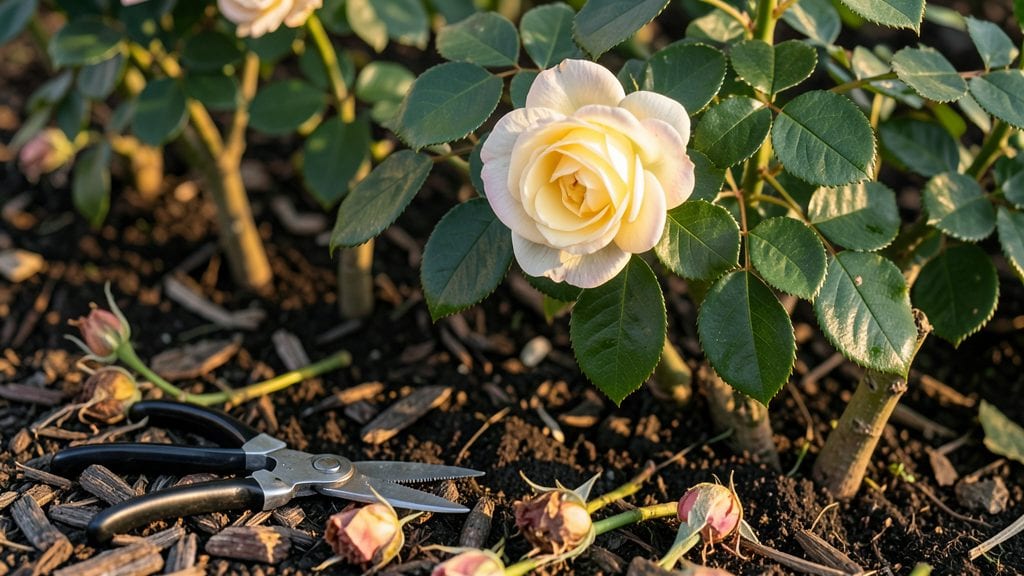
Deadheading works because plants naturally shift their energy toward seed production once flowers fade.
By cutting off those spent blooms, you essentially trick the plant into redirecting its resources toward new buds and leaves. 🌸 This technique is especially effective for annuals like zinnias or petunias, which can bloom continuously with proper care, but it also benefits perennials like roses by preventing the plant from wasting energy on seeds that won't mature in one season.
Think of it like giving your plants a second chance to shine—what might have been a one-time burst of color becomes a prolonged display. The key is timing: deadhead right after a bloom fades but before seed pods form, and always use clean, sharp tools to avoid damaging the plant.
This simple habit can transform your garden from a fleeting burst of color into a season-long spectacle.
💡 In This Article
- How Deadheading Boosts Plant Growth and Flower Production
- Step-by-Step Deadheading Techniques for Common Garden Flowers
How deadheading boosts plant growth and flower production
Here's what's actually happening when you deadhead: removing spent blooms interrupts the plant's natural shift toward seed production. Once a flower fades, the plant begins diverting up to 70% of its energy reserves toward developing seeds—energy that could instead fuel new blooms.
This hormonal shift is triggered by ethylene gas released from dying flowers, which signals the plant to prioritize reproduction over vegetative growth. By cutting off these ethylene sources, you suppress this reproductive signal and redirect the plant's focus back to producing leaves, stems, and new flower buds. 🌿
The biological mechanism gets even more interesting when you consider auxin hormones. These plant growth regulators concentrate in the stem just below the flower head. When you remove the spent bloom, auxin levels drop in that area, which stimulates the growth of lateral buds along the stem.
This is why deadheaded plants often show increased branching—each cut stem can produce 2-3 new flower stalks where there might have been just one before. In roses, for example, this can extend the blooming season by 3-4 weeks compared to unpruned plants.
Annuals and perennials respond differently to deadheading because of their life cycles. Annuals like zinnias or marigolds have one growing season to complete their life cycle, so removing spent blooms keeps them producing flowers until frost.
Perennials, however, store energy in their roots between seasons. Deadheading perennials like coneflowers or black-eyed Susans prevents the plant from wasting energy on seeds that won't mature in one season, allowing more resources to go toward root strengthening for next year's growth.
The key difference is that perennials often benefit from more selective deadheading—leaving some seed heads can provide winter interest and food for birds.
What most people don't realize is that the timing of deadheading matters just as much as doing it. The ideal moment is when the flower has fully opened but before the petals start to brown or the seed pod begins to swell.
This window is typically 24-48 hours after peak bloom. For example, with petunias, you'll want to pinch off the faded blossom just above the next set of leaves to encourage bushier growth.
The plant's response isn't instantaneous—it takes about 7-10 days for new buds to form after deadheading—but the long-term benefits in flower production are dramatic.
Consider the case of geraniums: studies show that plants with regular deadheading produce 40% more flowers over a season compared to those left unpruned. The secret lies in the plant's ability to continuously produce new growth points.
Each time you remove a spent bloom, you're essentially giving the plant permission to keep growing upward and outward rather than focusing on reproduction.
This continuous growth habit is why deadheading works so well with flowering shrubs like hydrangeas—proper pruning can transform a single seasonal display into multiple flushes of blooms throughout summer.
The sensory rewards of proper deadheading are immediate and satisfying. Within days of consistent deadheading, you'll notice plants developing a fuller, more compact shape with vibrant new growth emerging from the base.
The aroma of fresh, unfaded blooms becomes more pronounced as the plant focuses its energy on producing high-quality flowers rather than expending resources on seed development. It's like giving your garden a fresh start every time you reach for your pruners. ✨