
Watering
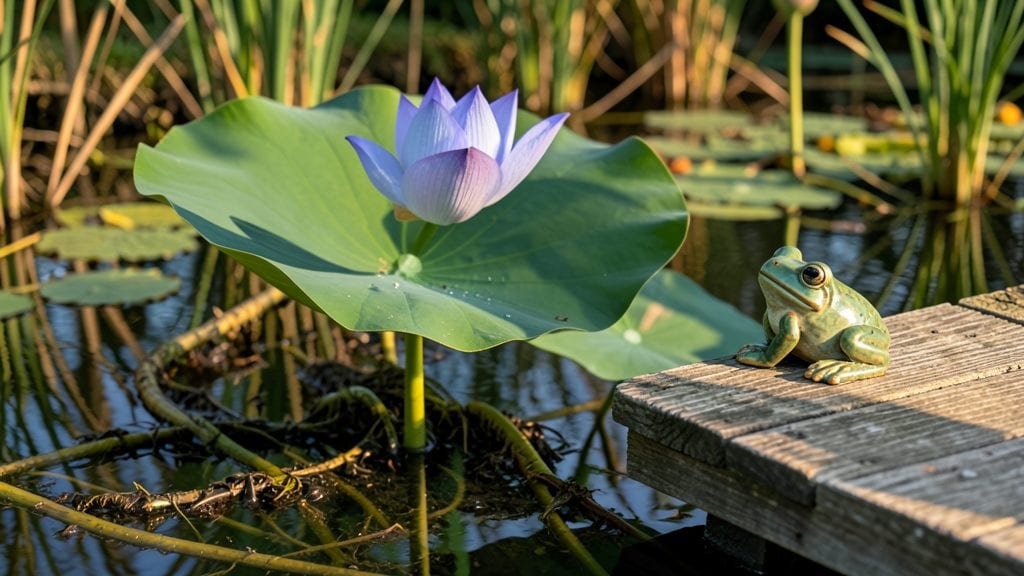
A water garden park transforms your backyard into a thriving wildlife haven where frogs, dragonflies, and birds become your daily visitors. 🌿 I designed mine around a 6-foot-wide pond that doubles as a natural habitat and a stunning focal point—no fancy landscaping degree required, just a few key elements that work together.
The magic starts with the right plants: water lilies for shade, pickerelweed for height, and sweet flag along the edges. Add a small recirculating pump to keep water moving, and you’ll create a self-sustaining ecosystem that needs far less maintenance than you’d think.
My pond stays crystal clear with just monthly leaf-netting and an occasional dose of barley straw for algae control.
You’ll end up with a space that feels like a secret retreat, complete with the soothing sound of water and the sight of dragonflies darting overhead. Place a few Adirondack chairs nearby, and you’ve got the perfect spot for morning coffee or evening stargazing—all while supporting local wildlife.
The best part? It grows more beautiful each season.
Works in any size yard, from a tiny urban patio (with a 3-foot-wide container) to a sprawling backyard. The key is starting small and letting nature do the rest—your pond will evolve into something even more magical than you imagined.
📚 In This Guide
- What you need
- Instructions
- Tips and common mistakes
- Wrapping up and next steps
What you need
- ● Excavation Tools: Shovel (1-2, depending on size) – heavy-duty, stainless steel
- ● Mattock or pickaxe (1) – for breaking up tough soil
- ● Wheelbarrow (1) – minimum 3 cubic feet capacity
- ● Pond Liner: EPDM rubber liner (size based on pond dimensions) – thickness: 45 mil for small ponds, 60 mil for larger ones
- ○ Underlayment fabric (optional but recommended) – prevents punctures
- ● Water Features: Pump (1) – submersible, 1,000–3,000 GPH (gallons per hour)
- ○ Waterfall kit (optional) – includes rocks, tubing, and pump
- ● Skimmer box (1) – keeps debris out of the pump
- ● Plants & Wildlife: Marginal plants (e.g., cattails, irises) – 5–10 plants
- ● Submerged plants (e.g., anacharis, hornwort) – 10–20 bunches
- ● Floating plants (e.g., water lilies, duckweed) – 3–5 plants
- ○ Fish (optional) – koi or goldfish, 1–3 per 100 sq. ft.
- ● Pond vacuum – for easy cleaning
- ● UV clarifier – keeps water crystal clear
- ● Decorative rocks & boulders – adds natural aesthetics
- ● Solar-powered lights – enhances evening ambiance
- ● Wildlife-friendly bridge or dock – for birds and small animals
- ● Level ground or a designated area – avoid low spots where water pools
- ● Access to water source – hose or well connection
- ● Local permits (if applicable) – check zoning laws for ponds
- ● Basic knowledge of pond ecology – or willingness to learn!
Step-by-Step guide to designing your wildlife haven pond
Transform your backyard into a thriving ecosystem with these simple, nature-inspired steps.
🪴 Step 1: Choose and Prepare the Perfect Location
Select a sunny spot with 6-8 hours of sunlight daily—this ensures healthy aquatic plants and happy wildlife visitors. I always check for underground utilities first, then mark the area with stakes. A 4-foot diameter pond works beautifully for wildlife, providing enough water for birds, frogs, and beneficial insects without overwhelming your space.
Level the ground carefully—uneven spots cause erosion and make maintenance harder. Use a shovel to remove rocks and roots, then compact the soil lightly with your feet. Avoid low-lying areas where water might pool after rain, as stagnant water attracts mosquitoes. Here's the thing—your pond's location determines 80% of its success, so take your time choosing.
💧 Step 2: Create a Natural Pond Shape with Edging
Sketch your design on paper first—wildlife ponds thrive with irregular, organic shapes that mimic natural water bodies. I like to use a garden hose to outline the edges before digging. For a 4-foot diameter pond, keep the depth between 12-18 inches—deep enough to support aquatic plants but shallow enough for wildlife access.
Create gentle slopes around the edges to prevent erosion. Line the pond with pond liner (if using one), leaving 6 inches of overlap around the edges. Secure it with landscape staples or rocks. For a true wildlife haven, skip the liner entirely and use native plants to stabilize the banks naturally. The key is to make it look like it belongs in the landscape, not like a manufactured feature.
☀️ Step 3: Add Plants and Natural Filtration
Plant marginal plants like cattails or pickerelweed around the edges—they filter water naturally and provide habitat. For submerged plants, add hornwort or anacharis to keep the water clean and oxygenated. These plants thrive in 60-75°F water and grow quickly, so you'll see results within weeks.
Add a few rocks or logs for sunbathing spots—frogs and turtles will appreciate the extra real estate. Avoid overcrowding; aim for 1-2 square feet of plant coverage per gallon of water. You'll know your pond is balanced when you see dragonflies darting above the surface and frogs croaking in the evenings. That's when you know you've created a true wildlife magnet.
🌿 Step 4: Introduce Wildlife-Friendly Features
Add a small floating platform (like a bamboo mat) for insects to land safely. Place a few flat rocks at different depths—these become perfect perches for birds and basking spots for frogs. I always include a shallow entry point (less than 4 inches deep) so wildlife can easily access the water.
Install a small solar-powered fountain if possible—moving water attracts more wildlife and keeps the ecosystem healthy. Position it near the deep end to create gentle circulation. Avoid adding fish unless you're prepared for the extra maintenance—they disrupt the natural balance and require more frequent cleaning. The goal here is simplicity and wildlife support, not a high-maintenance water feature.
⏰ Step 5: Maintain and Observe Your New Ecosystem
Check your pond weekly for debris and add fresh water as needed—evaporation will reduce levels over time. Top up with dechlorinated water (let tap water sit for 24 hours or use a dechlorinator). Remove any fallen leaves promptly to prevent stagnation. You'll notice the biggest changes in the first 4-6 weeks as plants establish and wildlife discovers their new home.
Resist the urge to "clean" the pond completely—some algae and debris are natural and provide food for wildlife. Focus on keeping the water moving and the plants healthy. When your pond is thriving, you'll see a diversity of visitors: dragonflies hunting mosquitoes, frogs croaking at dusk, and birds drinking from the edges. That's the reward for creating a true wildlife haven.
Tips & tricks for perfect wildlife pond design
Creating a thriving wildlife pond takes more than just digging a hole—here are the little details that make all the difference between a basic water feature and a true ecosystem magnet.
Sunlight Strategy: The 6-8 hours of sunlight mentioned in Step 1 is non-negotiable for aquatic plants, but here's the thing: position your pond to catch morning sun rather than afternoon heat. Early sunlight prevents algae blooms while still giving plants the energy they need. I've seen ponds in full afternoon sun develop green water within weeks—trust me on this.
Depth Variation: In Step 2, when creating your 12-18 inch depth, add a gradual slope from 4 inches to your maximum depth. This creates microhabitats for different wildlife—shallow areas for dragonflies to lay eggs and deeper zones for turtles to hide. I like to use a level to check depth at multiple points rather than just measuring in one spot.
Plant Placement: The 1-2 square feet of plant coverage per gallon in Step 3 is perfect, but here's what nobody tells you—place your marginal plants like cattails in clusters rather than evenly spaced. This creates natural hiding spots for frogs and creates visual interest. For submerged plants, anchor them with rocks rather than just letting them float—this prevents them from washing away during maintenance.
Maintenance Timeline: The first 4-6 weeks after planting are critical, but don't panic if you don't see immediate results. I've seen ponds that took 8 weeks to show signs of life. Focus on weekly checks during this period—remove debris but leave some leaf litter for insects. After 6 weeks, you can reduce maintenance to every 2 weeks as your ecosystem stabilizes.
Pro Tips for Water Garden Park
- Creating a thriving wildlife pond takes more than just digging a hole—here are the little details that make all the difference between a basic water feature and a true ecosystem magnet.
- Sunlight Strategy: The 6-8 hours of sunlight mentioned in Step 1 is non-negotiable for aquatic plants, but here's the thing: position your pond to catch morning sun rather than afternoon heat.
- Depth Variation: In Step 2, when creating your 12-18 inch depth, add a gradual slope from 4 inches to your maximum depth.
Frequently asked questions
Got questions about creating or maintaining a water garden park?
Here are some of the most common ones—plus straightforward answers to help you dive in with confidence!
What’s the best time of year to start a water garden park?
Spring or early fall is ideal! These seasons offer mild temperatures, reducing stress on plants and fish. Avoid summer heatwaves or winter freezes, which can harm delicate ecosystems. Start with hardy species like water lilies or cattails to build resilience.
How often should I clean or maintain the pond?
Regular maintenance keeps your water garden thriving. Skim debris weekly, drain and refill 25% of the water monthly, and deep-clean annually (spring or fall). Use a pond vacuum for muck and test water quality bimonthly. Pro tip: Install a small fountain or aerator to improve circulation and reduce algae naturally!
Can I add fish to my water garden park?
Koi, goldfish, or native species like sunfish thrive in well-maintained ponds. Start with 1–2 fish per 100 gallons of water and ensure proper filtration. Avoid overstocking—crowding stresses fish and disrupts the ecosystem. Research local regulations, as some areas restrict non-native species.
What are some low-maintenance plant alternatives?
If you’re short on time, opt for hardy, self-sustaining plants like:
- Water hyacinth (floating, oxygenates water)
- Cattails (filter pollutants naturally)
- Pickerelweed (tolerates partial shade)
- Duckweed (fast-growing, controls algae)
These plants require minimal upkeep while supporting wildlife like birds and insects.
Why is my pond water green or cloudy?
Green or murky water usually signals algae blooms or excess nutrients (like fish waste or decaying plants). Balance the ecosystem by:
- Adding more aquatic plants to compete with algae
- Reducing fish feed or stocking density
- Increasing sunlight exposure (if shade is excessive)
- Using barley straw or beneficial bacteria treatments
If the issue persists, test water parameters (pH, ammonia, nitrites) and adjust accordingly.
Wrapping up and next steps
A water garden park isn’t just a stunning addition to your outdoor space—it’s a thriving ecosystem that supports wildlife, enhances beauty, and promotes tranquility. 🌿 By carefully selecting materials, planning your layout, and maintaining balance, you’ve created a haven where nature and design harmonize effortlessly.
Now that you’re equipped with the how-tos and answers to common questions, it’s time to roll up your sleeves and bring your vision to life! Start small—whether it’s a single pond or a full-scale water garden park—then watch as your space transforms into a serene wildlife oasis. Happy gardening! 🌊✨