
Tools
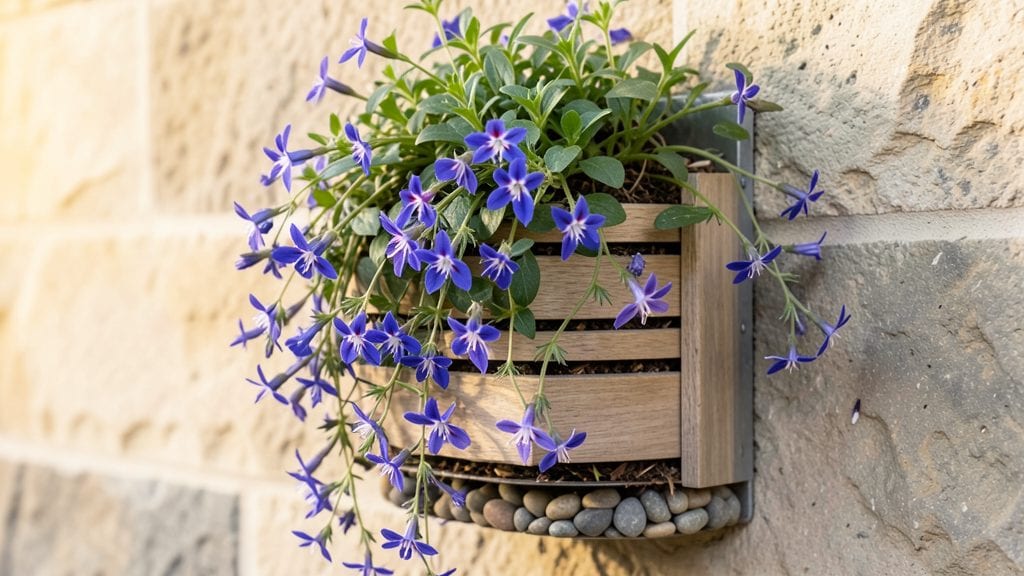
Creating an outdoor wall garden turns dead space into a thriving green oasis 🌿 without taking up valuable floor room.
Imagine your balcony or patio bursting with herbs, flowers, or veggies—all while keeping your walkways clear. This isn’t just smart design; it’s a game-changer for small yards, urban apartments, and anyone tired of sacrificing greenery for practicality.
With the right plants, materials, and a little creativity, you can build a vertical garden that works for your climate, style, and space. Whether you’re working with a bare wall or a rickety fence, there’s a solution that fits.
Below, I’ll show you how to pick the perfect plants, choose sturdy structures, and keep your wall garden lush all season long—no green thumb required.
10 Best outdoor wall garden designs for small spaces
Transforming limited outdoor spaces into vibrant gardens doesn’t mean compromising on style or function. Outdoor wall gardens maximize vertical space, making them perfect for balconies, patios, and urban yards.
These designs not only save space but also create stunning focal points with trailing plants, herbs, and flowers that thrive in vertical setups. Whether you’re working with a sunny courtyard or a shady corner, there’s a wall garden style to fit your needs.
From living walls to modular panels, each design offers unique benefits like improved airflow, easier maintenance, and customizable layouts. The key is choosing a system that aligns with your space constraints, climate, and plant preferences.
Below, I’ve curated the top 10 outdoor wall garden designs, complete with plant recommendations and setup tips to help you get started.
Comparison Table: Outdoor Wall Garden Designs
Each of these outdoor wall garden designs offers a unique way to transform your space. For example, a trellis system is ideal if you love climbing plants like clematis or grapevines, while a pallet garden is perfect for a budget-friendly, rustic look with herbs and strawberries.
If you’re renting or need a temporary solution, a fabric pocket wall lets you swap out plants seasonally with minimal effort.
When selecting a design, consider your sunlight exposure. Full-sun lovers like tomatoes and peppers
How to choose plants for your outdoor wall garden
Creating a stunning outdoor wall garden starts with selecting the right plants. Since vertical spaces have unique conditions—like limited soil depth and exposure to wind—you’ll want hardy, lightweight plants that thrive in confined areas.
Focus on varieties with shallow root systems and adaptable growth habits, whether they’re trailing vines or compact shrubs. My top priority? Choosing plants that match your wall’s sunlight exposure and watering routine to avoid maintenance headaches.
For sunny walls, opt for drought-tolerant plants like sedum or lavender, which handle 6+ hours of direct sun without wilting. If your wall sits in partial shade, ferns, hostas, or ivy will flourish with 3-4 hours of morning light.
Always check plant tags for USDA zone compatibility—your local climate dictates what will survive year-round. I’ve learned the hard way that skipping this step leads to dead plants by summer!
| Plant Type | Sun Needs | Water Needs | Mature Size | Notes |
|---|---|---|---|---|
| Succulents (e.g., Sedum) | Full Sun | Low | 6-12 inches | Drought-resistant; ideal for hot walls |
| Herbs (e.g., Thyme, Oregano) | Partial Sun | Medium | 1-2 feet | Compact; great for edible gardens |
| Trailing Plants (e.g., Petunia) | Partial Shade | High | 12-24 inches | Needs support; cascading effect |
| Ferns (e.g., Boston Fern) | Shade | Medium-High | 1-3 feet | Loves humidity; keep soil moist |
| Shrubs (e.g., Dwarf Lilac) | Full Sun | Medium | 3-5 feet | Structural; long-lasting blooms |
Avoid heavy, top-heavy plants like large tomatoes or pumpkins—they’ll pull your wall garden apart over time. Instead, pair upright plants (like rosemary or lavender) with trailing varieties (like nasturtiums or sweet potatoes) to create visual balance.
For container gardens, use lightweight growing mediums like coco coir or perlite mixes to reduce weight on your wall structure. I’ve seen too many DIY gardens collapse because of overwatered, soggy soil—always prioritize well-draining media!
Watering is another critical factor. Morning watering (before 10 AM) minimizes evaporation and fungal risks, while drip irrigation systems deliver consistent moisture to vertical plants. If your wall garden is exposed to wind, group plants together to create a microclimate that retains humidity.
For drought-prone areas, mulch with gravel or straw to lock in moisture—this simple trick cuts my watering time by 30% during summer months.
Don’t forget about seasonal changes! Some plants, like pansies or violas, thrive in cool spring/fall weather but bolt in summer heat. Others, like bougainvillea, need winter protection in colder zones. I always rotate plants seasonally to keep my wall garden vibrant year-round.
Start with 3-5 core plants that suit your space, then experiment with annuals for color or perennials for structure as you gain confidence.
Your outdoor wall garden’s success hinges on plant selection—take your time to match varieties to your wall’s conditions. With the right mix of sunlight, water, and growth habits, you’ll create a lush, low-maintenance vertical oasis that transforms even the smallest outdoor space. Happy planting!