Pests and Diseases
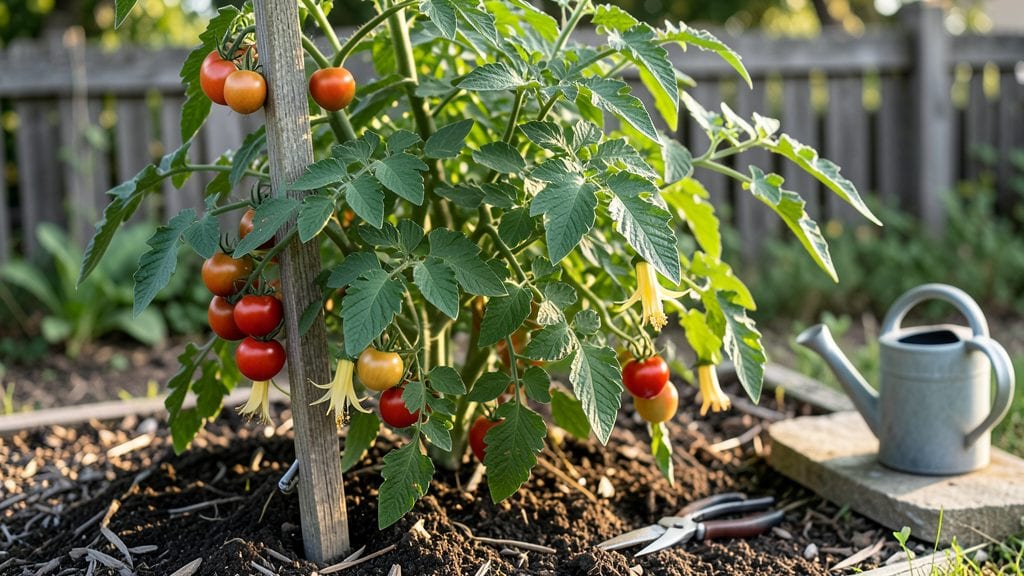
My tomato gardening tips start with one simple truth: pruning isn't about cutting back—it's about directing energy where it matters most. 🌱 I learned this the hard way after pruning too aggressively and watching my plants struggle to produce fruit.
The key is balance: removing suckers early, letting the plant focus on fruit-bearing branches, and never taking more than 25% of the plant at once.
You only need three things to begin: sharp pruners (clean blades prevent disease), a sunny spot with at least 6-8 hours of direct sunlight, and patience. Most gardeners over-prune because they don’t realize tomatoes grow stronger when they’re slightly stressed—not when they’re stripped bare.
I now prune only when I see new growth emerging, and my plants reward me with pound after pound of fruit by late summer.
The real magic happens when you prune at the right time—just after the first flower clusters appear. This forces the plant to put energy into ripening fruit instead of growing unnecessary leaves.
By midseason, you’ll notice thicker stems, more flowers, and clusters of tomatoes that would have been lost to weak branches. The difference between a decent harvest and a jaw-dropping one comes down to these few cuts.
This works for both determinate (bush) and indeterminate (vining) tomatoes, though the approach differs slightly. For beginners, start with determinate varieties—they’re forgiving and produce fruit without heavy pruning.
Advanced gardeners can experiment with aggressive pruning on indeterminate varieties to maximize yield. Either way, you’ll end up with tomatoes that put your grocery store buys to shame.
📚 In This Guide
- What you need
- Instructions
- Tips and common mistakes
- Wrapping up and next steps
What you need
- ● Gearing up for tomato gardening? Here’s everything you’ll need to get started—from essentials to handy upgrades! 🌱🍅
- ● Pro tip: 💡 Sterilize pruners with rubbing alcohol between cuts to prevent disease spread!
Step-by-Step pruning techniques for maximizing tomato yields
Pruning isn’t just about trimming—it’s about redirecting a tomato plant’s energy into fruit production. Here’s how to do it right.
🌿 Step 1: Identify the Right Time to Begin Pruning
Wait until your plants are at least 18 inches tall and have 4-5 true leaves before touching them. This ensures the root system is established enough to support new growth. I always start pruning in early summer when the plant is actively growing but hasn’t yet set a heavy fruit load.
Look for the first flower cluster—this is your cue. Once you see those tiny yellow blooms, begin removing suckers (the side shoots that grow in the leaf axils) to encourage stronger stem development. Prune in the morning when the plant is turgid and wounds heal faster.
✂️ Step 2: Remove Suckers Correctly
Suckers are the small shoots that grow between the main stem and a branch. Pinch them off cleanly with your fingers or snip with pruners just above the leaf axil. Never leave a stub—this prevents disease and encourages faster healing. I use sharp pruners to avoid crushing the stem, which can invite rot.
Focus on removing suckers below the first flower cluster. These shoots compete for energy, and eliminating them redirects nutrients to existing fruit. If you’re growing indeterminate varieties (like 'Sungold' or 'Brandywine'), you’ll need to prune suckers regularly throughout the season.
🌱 Step 3: Prune Lower Leaves for Airflow and Light
Once your plant reaches 3 feet tall, start removing the lower leaves—those below the first flower cluster. This improves airflow and reduces humidity around the base, cutting down on disease risks like early blight. I like to pull leaves gently rather than cut them to avoid tearing the stem.
Leave only the top 12-18 inches of foliage intact. This ensures the fruit cluster at the top gets maximum sunlight while the rest of the plant stays healthy. If you’re growing in a greenhouse or high-humidity area, prune even more aggressively to prevent fungal issues.
☀️ Step 4: Balance Pruning with Fruit Load
Never prune more than 25% of the plant’s foliage at once. This prevents shock and ensures the plant can still photosynthesize enough to support existing fruit. I always stop pruning once the plant starts setting a heavy crop—too much trimming late in the season can reduce yield.
Watch for signs of stress, like yellowing leaves or stunted growth. If you see these, pause pruning and focus on watering and fertilizing instead. The goal is to keep the plant strong enough to handle the weight of its fruit while still encouraging new growth.
⏰ Step 5: Final Pruning for Late-Season Care
In late summer, shift your focus to removing diseased or yellowing leaves. This keeps the plant’s energy focused on ripening existing fruit rather than maintaining dead foliage. I also trim any overly long branches that might break under the weight of tomatoes.
If your tomatoes are still green when frost threatens, prune away all but the topmost leaves. This helps the plant concentrate its energy on ripening what’s already there. Harvest any ripe fruit immediately and bring it indoors to finish ripening on a counter.
Tips & tricks for perfect tomato pruning
Mastering the art of tomato pruning transforms a good harvest into an exceptional one—here’s how to elevate your technique.
Timing is Everything: In Step 1, when your plants hit that 18-inch mark with 4-5 true leaves, resist the urge to prune earlier. I've seen gardeners rush this process, only to stunt their plant's growth. The key is patience—wait until you spot those first tiny yellow flower clusters. This timing ensures your tomato has established a strong root system to support both new growth and fruit development. Morning pruning is non-negotiable; the plant's natural turgidity helps wounds heal faster and reduces stress.
Precision Matters in Step 2: When removing suckers, think of it like surgery—clean cuts are everything. I've made the mistake of leaving stubs, which become perfect entry points for diseases. Always pinch or cut just above the leaf axil where the sucker emerges. For indeterminate varieties like 'Sungold', I recommend scheduling weekly pruning sessions throughout summer. These plants grow aggressively and produce suckers constantly—neglecting them means diverting energy away from fruit production. Use sharp pruners to avoid crushing stems, which can introduce harmful pathogens.
Airflow Strategy from Step 3: The goal in Step 3 isn't just to remove leaves—it's to create an environment where your plant can thrive. When you reach 3 feet tall, start your vertical pruning by removing lower leaves below the first flower cluster. This isn't about quantity; it's about quality. I've seen gardeners panic and remove too much foliage, thinking more air means better results. The secret is balance: maintain only the top 12-18 inches of leaves. This ensures your top fruit cluster gets maximum sunlight while preventing disease buildup at the base. In humid climates, you might need to be even more aggressive with pruning to prevent fungal issues.
Seasonal Adjustments: The 25% pruning rule from Step 4 is your safety net, but it's not a rigid law. In late summer, when your plant is laden with fruit, I adjust my approach. Instead of removing healthy foliage, focus on sanitation—prune away only diseased or yellowing leaves. This redirects the plant's energy toward ripening existing fruit rather than maintaining unnecessary foliage. When frost threatens, my emergency protocol is to prune all but the topmost leaves. This drastic measure helps the plant concentrate its remaining energy on ripening what's already there, giving you a harvest even when Mother Nature cuts the season short.
Pro Tips for Tomato Gardening Tips
- Mastering the art of tomato pruning transforms a good harvest into an exceptional one—here’s how to elevate your technique.
- Timing is Everything: In Step 1, when your plants hit that 18-inch mark with 4-5 true leaves, resist the urge to prune earlier.
- Precision Matters in Step 2: When removing suckers, think of it like surgery—clean cuts are everything.
Frequently asked questions
Got questions about tomato gardening?
Here are answers to the most common ones—from pruning to pests and everything in between!
When is the best time to prune tomato plants?
Prune your tomato plants early—when they’re 12–18 inches tall—to encourage strong stems and better airflow. For indeterminate varieties (like cherry tomatoes), keep pruning throughout the season to remove suckers (shoots in the leaf axils). Determinate tomatoes (bush types) need minimal pruning—just remove diseased or crowded leaves.
How do I prevent pests like hornworms or aphids from destroying my tomatoes?
Start with prevention: Use row covers early in the season and handpick pests (hornworms are easy to spot!). Introduce beneficial insects like ladybugs or lacewings. For aphids, spray with a soapy water solution (1 tsp mild soap per quart of water). Neem oil is another great organic option for stubborn infestations.
Why are my tomato leaves turning yellow, and how can I fix it?
Yellow leaves usually mean overwatering, nutrient deficiency, or disease. Check the soil—it should be moist but not soggy. If the yellowing starts at the bottom leaves, it’s often nitrogen deficiency (add compost or a balanced fertilizer). Fungal issues (like early blight) cause yellow spots with brown edges—remove affected leaves and improve airflow.
Can I grow tomatoes in containers, and what’s the best setup?
Use a 5-gallon container minimum for dwarf varieties (like ‘Tiny Tim’) and 10+ gallons for larger types. Ensure it has drainage holes and fill with well-draining potting mix. Place in full sun (6+ hours/day) and fertilize regularly. Pro tip: Stake or cage your container tomatoes early—they’ll need support as they grow!
Do I really need to prune tomatoes, or will they grow fine without it?
You can skip pruning, but your harvest may suffer. Pruning boosts air circulation (reducing disease), directs energy to fruit (bigger tomatoes!), and prevents overcrowding. For indeterminate varieties, pruning is key—determinate types (like ‘Roma’) tolerate less trimming. Start small: Try removing just the lowest leaves to see the difference!
Wrapping up and next steps
Growing juicy, abundant tomatoes is all about timing, technique, and a little patience—and you’ve got the pruning secrets to make it happen! 🌱 From choosing the right tools to mastering the art of suckering and staking, these tips will help you cultivate a thriving tomato plant that rewards you with a bountiful harvest.
Remember, every expert gardener started somewhere—so grab your pruners, roll up your sleeves, and enjoy the process!
Ready to take your tomato game to the next level? Start small—pick one or two techniques to practice this season, and watch your plants (and confidence!) grow. Happy gardening! 🌟