
Tools
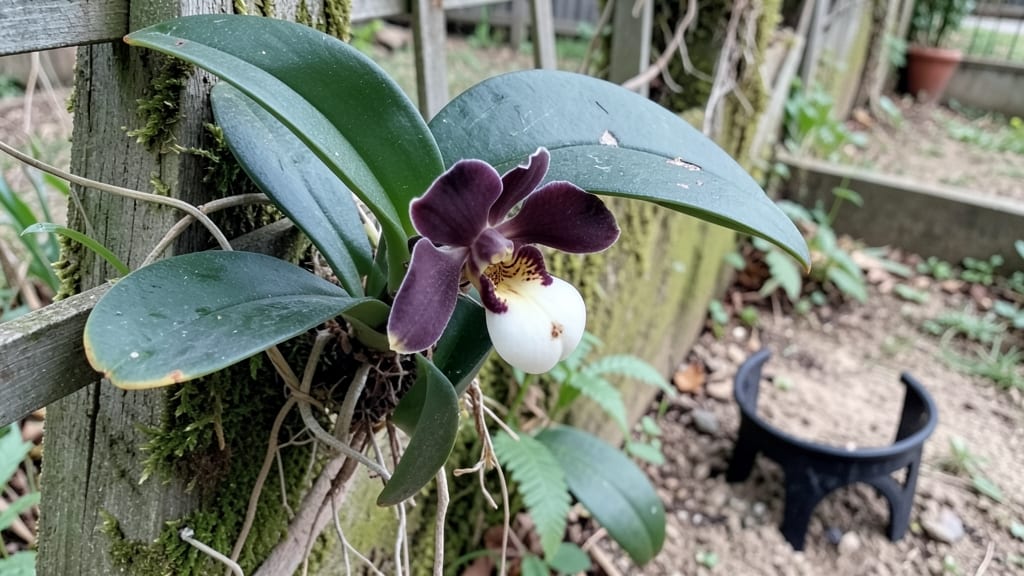
The goth garden isn’t just a look—it’s a mood. Dark, dramatic, and dripping with romantic melancholy, this style turns your yard into a living poem of shadows and texture. I fell for it after stumbling upon a Victorian-era estate with wrought-iron gates and black roses climbing every surface.
The key isn’t just choosing dark plants—it’s layering them with ironwork, moody lighting, and a touch of the eerie. Think velvet-black foliage, thorny climbers, and statues that seem to whisper secrets at dusk.
You’ll need more than just plants—this garden thrives on atmosphere. Start with deep purples, blacks, and velvety greens like Ophiopogon planiscapus ‘Nigrescens’ (black mondo grass) or Heuchera with burgundy leaves. Pair them with iron trellises, weathered stone, and flickering lanterns to set the tone.
The best part? These plants are tough—they handle shade and neglect better than most, so your gothic vision stays intact even when you don’t. A small water feature with dark pebbles adds that final, haunting touch.
By the time you’re done, your garden will feel like a secret world—one that invites you to linger in the twilight. The air hums with the scent of night-blooming jasmine and damp earth, while the play of light through wrought-iron gates casts dramatic shadows.
It’s not just a garden; it’s a sanctuary for those who love drama, history, and a little mystery. The best news? You don’t need a sprawling estate to pull it off—even a small corner with the right plants and lighting can feel like a gothic retreat.
Here’s the twist: goth gardens work year-round. In winter, bare branches become skeletal art, while evergreens keep the dark palette alive. Spring brings back the deep purples, and summer’s heat only intensifies the drama.
The only rule? Let your plants grow wild enough to feel untamed—because the best goth gardens look like they’ve been there for centuries. Ready to create your own dark romance?
📚 In This Guide
- What you need
- Instructions
- Tips and common mistakes
- Wrapping up and next steps
What you need
- ● Plants: Black Mondo Grass (Ophiopogon planiscapus 'Nigrescens') – 10+ plants
- ● Purple Smoke Bush (Cotinus coggygria 'Royal Purple') – 2-3 mature shrubs
- ● Bloodleaf (Iresine herbstii) – 5-7 plants (for vibrant red foliage)
- ● Black Bat Flower (Tacca chantrieri) – 3-5 plants (for dramatic dark blooms)
- ● Dead Nettle (Lamium maculatum) – 5+ plants (silvery-purple foliage)
- ● Decorative Elements: Wrought iron or black metal garden ornaments (e.g., bats, ravens, or gothic statues) – 3-5 pieces
- ● Black or dark gray gravel (50 lbs) for pathways or borders
- ● Moss (e.g., Sphagnum or Hypnum) – 10+ sq. ft. for texture
- ● Weathered wood (e.g., black-stained or naturally aged planks) – 2-3 pieces for structures or borders
- ● Tools: Pruning shears (sharp and clean)
- ● Garden trowel (for planting)
- ● Wheelbarrow (for transporting soil and materials)
- ● Gloves (heavy-duty for handling soil and decor)
- ● Fairy lights (black or dark red) for a moody evening glow
- ● Dried flowers (e.g., Statice or Eryngium) in deep purples or blacks
- ● A small fountain or water feature (for a hauntingly serene touch)
- ● Gothic-style lanterns or candles (solar-powered for safety)
- ● Dark mulch (e.g., black or deep brown) to enhance the moody palette
Instructions for crafting a darkly romantic goth garden
Here's how to transform your outdoor space into a hauntingly beautiful goth garden.
Plan Your Moody Layout
Start by sketching your garden design on paper, focusing on dark, dramatic elements. Use a mix of evergreens like black lace elderberry and purple beech trees to create a natural, shadowy backdrop. These trees provide structure and contrast beautifully against lighter plants.
Incorporate winding paths made of dark gravel or decomposed granite to guide visitors through your garden. The irregular lines add a sense of mystery and intrigue. Place larger stones or boulders strategically to create focal points and break up the space into intimate areas.
Select Dark and Dramatic Plants
Choose plants with deep purple, black, or silver foliage to create a gothic color palette. Black mondo grass is a stunning ground cover that adds texture and movement. Pair it with purple smoke bush and heavenly bamboo for height and contrast.
Add flowers like black calla lilies and dark red roses for pops of color that still fit the gothic theme. These plants thrive in partial shade, which is perfect for creating a moody atmosphere. Avoid bright, cheerful colors—stick to deep purples, blacks, and silvers.
Incorporate Gothic Decor and Lighting
Add decorative elements like wrought-iron garden ornaments, weathered statues, or antique lanterns to enhance the gothic vibe. Place these items along pathways or near seating areas to create focal points. A black metal trellis draped with ivy or clematis adds vertical interest and a touch of romance.
Install low-voltage solar-powered lights with dark fixtures to illuminate pathways and highlight key features at night. Use black or deep red string lights to add a magical glow to trees and shrubs. Avoid bright white lights—they disrupt the moody ambiance.
Layer Textures and Materials
Mix different textures like rough bark mulch, smooth river stones, and weathered wood to create depth and visual interest. Use black or dark gray mulch to tie the garden together and suppress weeds. Add a small pond or water feature with dark rocks or a black liner to enhance the gothic feel.
Incorporate vines like Virginia creeper or Boston ivy to climb structures and add a touch of wild elegance. These plants thrive in shade and provide a lush, romantic backdrop. Place a few dark wooden benches or iron chairs in secluded spots for a cozy, intimate retreat.
Maintain the Moody Atmosphere
Prune plants regularly to keep them healthy and shaped, but avoid over-trimming—let some branches grow wild for a natural, untamed look. Use fertilizers designed for shade-loving plants to ensure your dark foliage stays vibrant. Water deeply but infrequently to encourage strong root growth.
Seasonally, add dried flowers or everlasting plants like black-eyed Susan to keep the garden looking rich and textured year-round. Avoid bright seasonal decorations—stick to deep, moody colors that complement your gothic theme.
Tips & tricks for crafting a darkly romantic goth garden
Creating a goth garden isn't just about planting dark foliage—it's about crafting an atmosphere that feels like stepping into a living poem of shadows and romance. Here's how to elevate your goth garden from ordinary to extraordinary.
Create Depth with Strategic Plant Placement: In Step 1, when planning your layout, think vertically as well as horizontally. Place taller plants like purple beech trees at the back of your garden beds, with mid-height plants such as purple smoke bush in the middle, and ground covers like black mondo grass in the front. This layering creates a dramatic sense of depth that draws the eye into your gothic landscape. I've found that adding a few unexpected textures, like a smooth river stone here or a rough bark mulch there, can make the space feel even more immersive.
Enhance the Gothic Vibe with Unexpected Focal Points: When incorporating gothic decor in Step 3, don't just stick to traditional ornaments. Consider adding elements like a weathered sundial, an old-fashioned birdbath with dark patina, or even a small wrought-iron gate that creates a secret entrance to a hidden corner. These unexpected touches add layers of intrigue that make your garden feel like a story waiting to unfold. I once added an antique lantern to one of my garden paths, and it became the perfect spot for evening gatherings under the stars.
Lighting is Everything: The lighting you choose in Step 3 can completely transform your goth garden after dark. While solar-powered lights are practical, consider adding a few strategically placed candles in dark glass holders or even a small fountain with LED lighting that casts a soft glow on the water's surface. These subtle additions create a magical atmosphere that feels both romantic and mysterious. I've found that using dimmable lights allows me to adjust the ambiance for different moods and occasions.
Seasonal Maintenance Matters: In Step 5, when maintaining your garden, pay special attention to seasonal changes. In autumn, add dried flowers like black-eyed Susan to your arrangements, and in winter, consider adding evergreen boughs or pinecones to maintain that dark, natural aesthetic. Regularly check your lighting fixtures to ensure they're working properly, and replace any burnt-out bulbs promptly. This attention to detail keeps your goth garden looking its best year-round.
Pro Tips for The Goth Garden
- Creating a goth garden isn't just about planting dark foliage—it's about crafting an atmosphere that feels like stepping into a living poem of shadows and romance.
- Create Depth with Strategic Plant Placement: In Step 1, when planning your layout, think vertically as well as horizontally.
- Enhance the Gothic Vibe with Unexpected Focal Points: When incorporating gothic decor in Step 3, don't just stick to traditional ornaments.
Frequently asked questions
Got questions about creating your own The Goth Garden? You’re not alone!
Here are some of the most common queries—plus answers to help you dive into dark romance landscaping with confidence.
What plants are best for a goth garden aesthetic?
A goth garden thrives on moody, textured, and slightly eerie plants. Try deep purples (like Lobelia or Heuchera), velvety black foliage (e.g., Ophiopogon planiscapus 'Nigrescens'), and dramatic blooms like Belladonna (deadly nightshade) or Dahlia 'Black Narcissus'. Add thorny shrubs like Pyracantha or Berberis for extra gothic flair.
How long does it take to design and plant a goth garden?
Timing depends on your vision! A small, curated section (e.g., a single dark corner) can take 1-2 weekends—just sketch your layout, source materials, and plant. For a full goth garden transformation, budget 3-6 months, especially if you’re incorporating structures (like arches or trellises) or waiting for perennials to mature.
Are there any toxic or "dangerous" plants I should avoid?
While goth gardens embrace dramatic plants, some—like Belladonna, Foxglove, or Monkshood—are highly toxic. If you have pets or kids, opt for non-toxic alternatives like Hellebore (Lenten Rose) or Black Mondo Grass. Always research before planting!
Can I mix gothic elements with other garden styles (e.g., cottage or modern)?strong>
Absolutely!
Goth gardens don’t have to be all or nothing. Try pairing dark foliage with whimsical cottage touches (like wrought-iron birdhouses) or sleek modern lines (e.g., geometric planters). The key? Balance contrast—think moody shadows next to bright pops of color or rustic stone with polished metal.
What’s the trickiest part of maintaining a goth garden?
The #1 challenge is keeping the drama intact while managing growth. Thorny plants need pruning, dark foliage may fade in harsh sun, and decaying elements (like driftwood or weathered statues) require occasional refreshing. Pro tip: Use mulch to preserve soil moisture and group plants by care needs to simplify upkeep.
Wrapping up and next steps
Transforming your space into a The Goth Garden isn’t just about aesthetics—it’s a journey into dark romance and bold expression. From selecting the perfect black roses to crafting eerie lighting with fairy lights, every layer adds depth and intrigue.
Whether you’re drawn to moody textures or whimsical details, this garden is your canvas.
Ready to dive in? Start small—pick one element, like a wrought-iron trellis or a vintage lantern, and let your creativity bloom. The Goth Garden awaits your touch—what dark beauty will you cultivate next? 🌹✨