
Tools
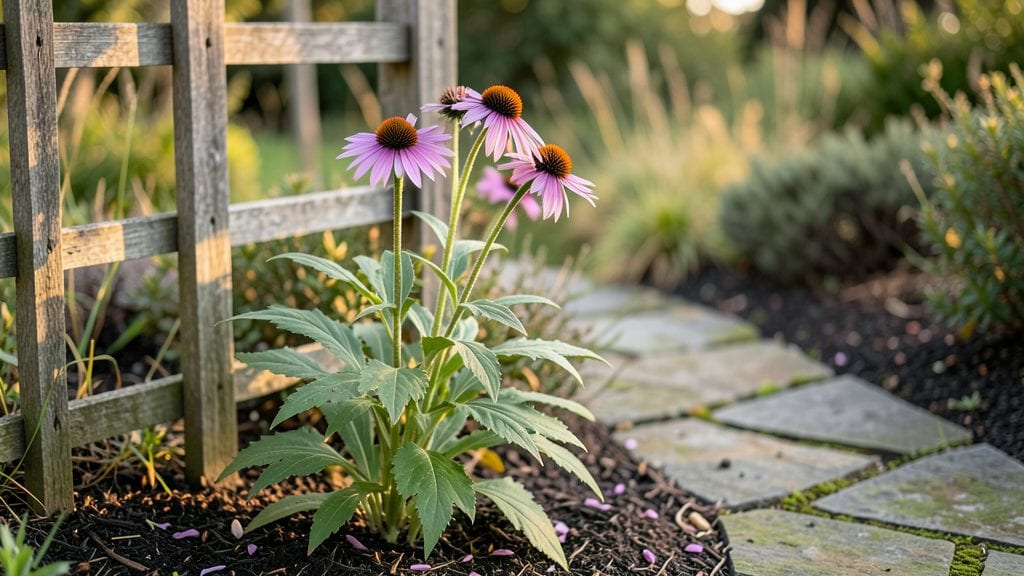
A Sunset Western Garden creates stunning year-round beauty using drought-tolerant natives like California poppies, manzanita, and ceanothus, combined with succulents and ornamental grasses for texture. Well-draining soil and minimal watering replicate the region’s natural conditions while nurturing local wildlife.
A Sunset Western Garden isn't just about aesthetics—it's an ecosystem designed to thrive with minimal care.
The key lies in selecting plants that naturally flourish in your microclimate, whether coastal or inland. 🌵 For example, coastal areas benefit from plants like coastal buckwheat, while inland gardens shine with desert marigold.
These natives don't just survive drought—they improve soil health by preventing erosion and reducing water runoff.
What makes this approach truly special is how it supports local pollinators year-round. Unlike seasonal gardens, a well-planned Sunset Western Garden provides continuous nectar sources through staggered blooming cycles. Pairing purple sage with goldenrod creates a visual feast while ensuring bees and butterflies always have food.
The result? A garden that's not only beautiful but actively sustains the environment.
💡 In This Article
- Designing a Drought-Resistant Sunset Western Garden
- Best Pollinator-Friendly Plants for Western Gardens
Designing a drought-resistant sunset Western garden
The foundation of a thriving Sunset Western Garden starts with understanding your specific microclimate. Coastal areas experience high humidity (70-90%) and mild winters (35-50°F), while inland regions face hotter summers (90-105°F) and dry winds.
Coastal gardens excel with moisture-loving natives like coyote brush, which handles sandy, acidic soils typical of the region. Inland gardens, however, need species like black sage that thrive in alkaline, well-draining soils with 2-3 inches of water per month—a fraction of what coastal plants require.
Soil composition determines what you can grow. Sandy soils drain too quickly, while clay-heavy soils retain moisture and can suffocate roots. The solution? Amend with 3-4 inches of compost to improve structure and water retention.
For sandy areas, deep-rooted perennials like ceanothus (up to 10 feet deep) anchor the soil while their extensive roots reduce evaporation. In clay regions, manzanita with its 3-6 inch taproot breaks up compacted soil over time, creating better aeration for other plants.
Water conservation isn't just about less irrigation—it's about smarter delivery. Drip irrigation systems placed 6-12 inches from plant bases deliver water directly to roots, reducing waste by up to 50% compared to overhead sprinklers.
Pair this with 3-4 inches of mulch (wood chips or gravel) to lock in moisture and regulate soil temperature. The mulch layer also suppresses weeds, which compete for 10-15% of available water in unmanaged gardens.
Deep-rooted perennials play a dual role: they stabilize soil and create microclimates that benefit smaller plants. A 6-foot tall ceanothus planted as a focal point can reduce wind speeds by 30% in its immediate area, protecting nearby succulents from desiccation.
Their early spring blooms also provide critical nectar when few other plants are flowering, supporting pollinators during a key feeding window.
Layering plants by height and water needs creates a self-sustaining system.
Start with ground covers like creeping thyme (needs 1 inch of water per week) in front, then add medium-height shrubs like toyons (drought-tolerant once established), and top with tall grasses like purple needlegrass that sway dramatically in coastal breezes.
This vertical structure captures and retains moisture while providing habitat for beneficial insects.
What most gardeners overlook is the seasonal timing of watering. Inland gardens should receive deep waterings every 2-3 weeks during summer, while coastal plants may need weekly light watering to compensate for humidity.
The key is to water early morning (6-9 AM) to minimize evaporation and fungal growth. This approach mimics natural rainfall patterns and builds plant resilience over time.
Here's what actually works in practice: Start small with a 5x5 foot test plot using native plants suited to your zone. Monitor soil moisture at 2-inch and 6-inch depths—if the top layer stays dry but deeper levels remain moist, your plants are developing strong root systems.
Within 2-3 years, many natives will require little to no supplemental water, proving the garden's self-sufficiency. 🌿