Pests
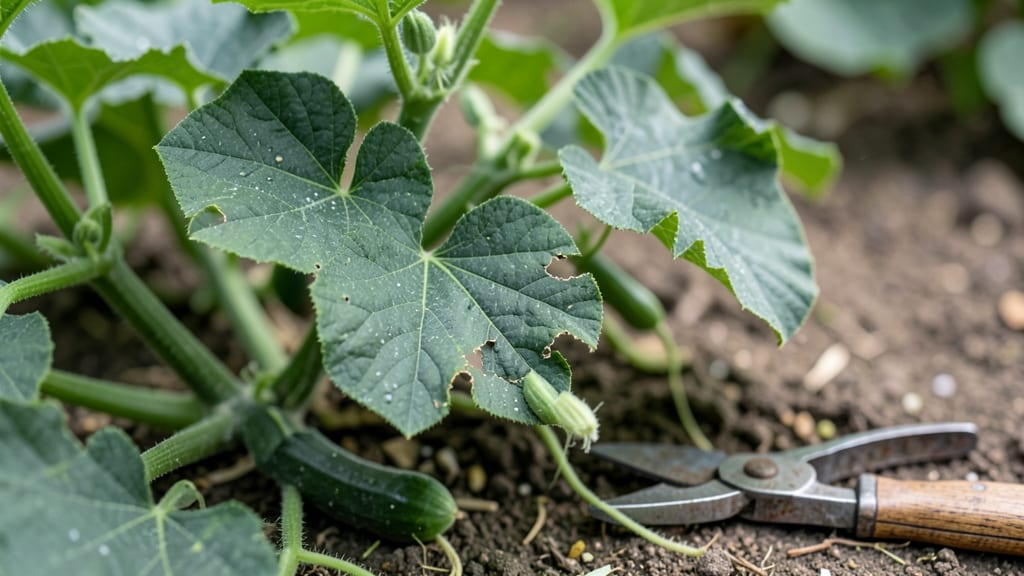
Squirrel damage in gardens turns lush beds into a buffet overnight—until you learn these humane tricks that actually work. 🌱 I spent three years watching my tulips vanish and my birdseed stolen, until I discovered the right mix of deterrents that squirrels can’t outsmart (or out-chew).
The key is making your garden less appealing than the woods. Motion-activated sprinklers startle them, wire mesh around bulbs stops digging, and removing easy snacks—like fallen fruit or uncovered trash—cuts off their motivation. Even a few strategic peppermint oil sprays on vulnerable spots sends them packing.
You’ll wake up to intact plants, undisturbed soil, and maybe even a squirrel watching from a safe distance. The best part? These methods protect your garden without harming the critters—just their appetite for your hard work.
Works for bulbs, fruit trees, and even bird feeders—no more midnight raids. Let’s keep your garden yours and the squirrels well-fed elsewhere.
Root Causes Of Garden Raids
Squirrels aren’t just cute, bushy-tailed visitors—they’re highly intelligent foragers with a knack for turning your garden into their personal buffet. Understanding why they target your plants is the first step to stopping them without harm.
Here’s a breakdown of the science behind their behavior, so you can outsmart them with humane solutions.
Squirrels are opportunistic omnivores, meaning they’ll eat almost anything—especially when natural food sources (like nuts, seeds, and fruits) are scarce. Your garden, packed with tender shoots, bulbs, and ripe produce, becomes an all-you-can-eat salad bar.
- Seasonal shifts: In late winter or early spring, squirrels deplete stored winter food (acorns, buried nuts). They’ll then raid gardens for high-calorie, easy-to-digest options like:
- Newly planted bulbs (tulips, daffodils, crocuses)
- Young seedlings (especially leafy greens and herbs)
- Fruiting plants (tomatoes, peppers, berries)
- Urbanization effect: As natural habitats shrink, squirrels adapt by expanding their diet. Gardens with unprotected soil or loose mulch are prime targets because they can easily dig up hidden treasures.
- Pro tip: If your garden is overwatered or poorly drained, squirrels can smell and sense soft, easy-to-excavate soil—like a neon "dig here" sign. 🌡️
Squirrels aren’t just eating—they’re also building. Your garden might be an unintended construction site if they’re stripping bark, shredding plants, or burrowing near foundations. Here’s why:
- Material gathering: Squirrels collect soft plant matter (like bark, twigs, or even living stems) to line their nests (dreys). If your garden has:
- Young, flexible plants (e.g., willow, grapevines)
- Loose mulch or wood chips
- Bare tree branches (they’ll strip bark for insulation)
- Proximity to shelter: If your garden is near tree cavities, attics, or dense shrubs, squirrels see it as an extension of their home. They’ll prune plants to create pathways or clear sightlines for predators.
- Mating season chaos: During spring/summer breeding seasons, squirrels become territorial and may damage plants to mark boundaries or create barriers.
Squirrels have excellent memories and learn quickly. If they’ve successfully raided your garden before—or if you’ve unintentionally rewarded them—they’ll keep coming back. Here’s how:
| Behavior | Why It Happens | Example |
|---|---|---|
| 🔍 Trial-and-error learning | Squirrels observe which plants are easiest to access and remember the path of least resistance. If they can dig up a bulb in 10 seconds, they’ll return. | Leaving fallen fruit on the ground = a free snack they’ll associate with your yard. |
| 🍪 Human food conditioning | If you’ve ever fed squirrels (even accidentally, like leaving pet food outside), they’ll demand more. They’ll also beg near your home, increasing garden raids. | Birdseed spilled on the ground = a training ground for them to expect handouts. |
| 🕵️ Predator avoidance | Squirrels prefer open spaces where they can spot danger (like cats or hawks). If your garden is overgrown or cluttered, they’ll use it as a safe zone to forage. | Tall grass or dense shrubs = cover for them to dig undetected. |
💡 Pro tip: If you’ve ever ignored minor damage (like a few chewed leaves), squirrels interpret this as "free for all". They’ll escalate their raids until you actively deter them.
Now that you know why squirrels are targeting your garden, the next step is to turn the tables with humane, science-backed deterrents. Stay tuned!
Stop Squirrel Garden Raids Naturally
Squirrels may seem harmless, but their love for digging, nibbling, and nesting can turn your garden into a war zone—especially for bulbs, seeds, and tender plants. The good news? You can outsmart them without harming these busy little critters.
Below are practical, humane solutions tailored to the most common causes of squirrel damage, plus prevention tips to keep your garden safe long-term.
---
Squirrels tunnel for bulbs, tubers, and even young seedlings, leaving your garden looking like a crime scene. Here’s how to reclaim your soil:
#### 🔥 Use Physical Barriers (Before Planting) - Chicken Wire or Hardware Cloth: Bury a 12-inch deep mesh (¼-inch grid) around bulbs or vulnerable plants.
Squirrels can’t dig through it, but worms and water can still reach the roots. - Coffee Can Trick: Place empty coffee cans (bottom removed) over newly planted bulbs.
Squirrels will dig around but won’t bother relocating the entire can. - Pro Tip: 💡 Mark the mesh with stakes so you don’t accidentally dig into it later!
#### 🍳 Relocate the Treasures (After the Fact) - If squirrels have already unearthed bulbs, replant them deeper (6–8 inches) or move them to a protected area (like a raised bed with mesh). - For seeds, try sowing them in mesh-lined pots before transplanting to the ground.
#### 👨🍳 Scatter Distractions - Fake Food Sources: Bury unsalted peanuts in wire cages or dog/kitty food in a distant corner of your yard. Squirrels will focus on the easy snack instead of your garden. - Pro Tip: 🌡️ Rotate locations every few weeks to keep them guessing!
---
Squirrels are master thieves when it comes to ripe fruits, veggies, and birdseed. Here’s how to protect your harvest:
#### 🔪 Secure Harvests with Covers - Netting: Drape fine bird netting over berry bushes, tomato plants, or fruit trees. Secure it tightly so squirrels can’t chew through. - Cloche or Row Covers: Use floating row covers over vulnerable crops like peas or lettuce.
Remove when pollination is needed. - Pro Tip: ✨ Combine with pruning—trim low-hanging branches so squirrels can’t leap onto plants.
#### ⏰ Harvest Strategically - Pick Early, Pick Often: Squirrels target ripe fruit, so harvest as soon as produce is ready (even if it’s not perfect). - Use Squirrel-Proof Feeders: If you feed birds, opt for feeders with baffles or hang them from a pole (not trees).
#### 🎯 Remove Attractants - Clean Up Droppings: Squirrels return to areas with leftover seeds or fruit. Rake up fallen produce daily. - Avoid Ground Feeding: If you compost, use a sealed bin—open piles are an all-you-can-eat buffet for squirrels.
---
Squirrels don’t just eat—they nest in sheds, chew bark, and strip insulation. Here’s how to make your property less inviting:
#### 🏡 Seal Entry Points - Inspect Your Home: Check for gaps in roof vents, chimneys, or attics. Fill holes with steel wool or caulk (squirrels can’t chew through it). - Protect Trees: Wrap tree trunks with hardware cloth (especially for young saplings) to prevent bark stripping.
#### 🌿 Provide Alternatives - Squirrel Houses: Set up a dedicated squirrel box in a quiet corner of your yard. Fill it with shredded paper or dry leaves for nesting. - Pro Tip: 💡 Place it far from your garden—out of sight, out of mind!
#### 🔥 Use Strong Scents (Temporarily) - Peppermint Oil: Soak cotton balls in peppermint oil and place them near problem areas. Reapply every few days—the scent deters squirrels but washes away with rain. - Capsaicin Spray: A chili-based repellent (like Hot Sauce Spray) can be sprayed on plants. Reapply after rain.
---
Once you’ve addressed the damage, keep squirrels at bay with these habits:
- 🌱 Plant Squirrel-Resistant Crops: Opt for onions, garlic, or herbs (squirrels dislike their smell).
Avoid corn, squash, and grapes—their favorites! - 🌳 Keep Your Yard Tidy: Remove brush piles, leaf litter, and fallen nuts—these create hiding spots and food sources. - 🐿️ Use Motion-Activated Deterrents: A sprinkler with motion sensors (like the ScareCrow) can startle squirrels without harming them. - 🎯 Rotate Solutions: Squirrels are smart—switch up methods every few weeks to stay ahead of them.
--- Final Thought: Squirrels are just trying to survive, so the key is making your garden less appealing than their natural options. With a mix of barriers, distractions, and cleanliness, you can enjoy a thriving garden—without the squirrel sabotage! 🌿🐿️🚫
Frequently asked questions
What are the most common signs squirrels are damaging my garden?
Look for unearthed bulbs, chewed leaves, scattered seed casings, and small holes in soil or mulch. You might also spot shredded plant stems or stripped tree bark near the base. Check for fresh digging activity around tulips, daffodils, or berry bushes—these are squirrel favorites.
Can I use peppermint oil to keep squirrels away from my garden?
Yes! Soak cotton balls in peppermint oil and place them near problem areas. The strong scent deters squirrels, but you’ll need to reapply every few days or after rain. For larger areas, mix 10 drops of oil with 1 cup of water in a spray bottle and apply to soil or plant stems.
Will motion-activated sprinklers really scare squirrels?
Devices like the ScareCrow sprinkler release a 5-second burst of water when they detect movement, startling squirrels without harming them. Place them near high-traffic areas like garden beds or fruit trees. Just ensure the water pressure isn’t too strong—it should be a surprise, not a flood!
How do I protect newly planted bulbs from squirrels?
Bury a 12-inch deep layer of hardware cloth (¼-inch grid) around bulbs before planting. For a quick fix, use empty coffee cans (bottom removed) placed over bulbs—squirrels will dig around but won’t move the cans. Mark the mesh with stakes so you don’t accidentally dig into it later!
Are there any plants squirrels avoid completely?
Yes! Squirrels dislike the strong scents of onions, garlic, chives, and herbs like mint or lavender. Planting these near vulnerable areas can help deter them. Avoid corn, squash, or grapes—these are their top targets. Pairing these with physical barriers (like netting) works best!