
Pests
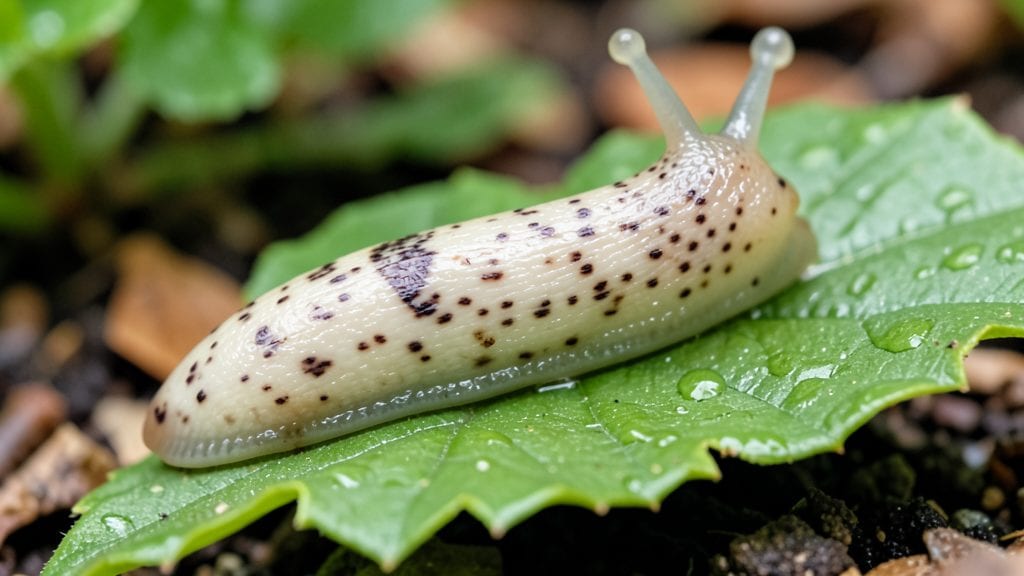
Spotted garden slugs are the sneaky destroyers of your lushest leaves and tender seedlings—until you use iron phosphate bait. 🌱 I’ve spent years battling these slimy pests, and this one method finally gave me back my garden without harsh chemicals.
The key isn’t just throwing down bait; it’s timing it right and placing it where slugs can’t avoid it.
Iron phosphate works by disrupting their feeding, but it’s not instant—think 3-5 days of consistent use before you’ll see a real difference. You’ll need to set out small granules near problem areas (like hostas or lettuce) after evening watering, when slugs are most active.
The best part? It’s safe for pets, kids, and the critters you actually want in your garden.
Within a week, you’ll notice fewer slime trails and more intact leaves. The bait breaks down naturally, so there’s no long-term residue, and your soil stays healthy. No more waking up to chewed zucchini or disappearing seedlings—just a slug-free zone that keeps working season after season.
This method plays well with other slug defenses, like beer traps or copper barriers, but iron phosphate is the heavy hitter. It’s fast, effective, and doesn’t require you to become a slug detective every night. Let’s get those pests under control for good.
What Lures Slugs to Your Garden
Spotted garden slugs—those glossy, slimy intruders—don’t just wander randomly into your garden. They’re drawn by a mix of environmental cues, food sources, and even the layout of your outdoor space.
Understanding these triggers is the first step to outsmarting them before they devour your prized plants. Here’s why they show up in force and how to disrupt their plans.
Slugs are 80-90% water by weight, so they seek out humid, shaded areas where they won’t dry out. Their slimy trails are a survival tactic—mucus helps them glide over rough surfaces and retain moisture. If your garden fits these conditions, you’ve essentially built a slug hotel.
- Overwatered soil: Frequent deep watering or poor drainage creates soggy pockets where slugs thrive. Action: Water early in the day (before sunset) and aim for the base of plants, not broad sheets of moisture.
- Thick mulch layers: Organic mulch (like wood chips) holds moisture and provides hiding spots. Action: Use 3-inch layers max and opt for gravel or straw in slug-prone areas.
- Shady, low-lying areas: Slugs avoid direct sunlight, so they cluster under decks, dense foliage, or north-facing beds. Action: Prune overhanging branches to increase airflow and sunlight penetration.
Spotted slugs are generalist eaters, but they have a top-tier menu of garden favorites. If your plants are on it, slugs will find them—often using scent trails left by other slugs (yes, they “communicate” this way!).
| Plant Type | Why Slugs Love It | How to Protect It |
|---|---|---|
| Leafy greens (lettuce, spinach, kale) | Soft, water-rich leaves are easy to consume. | Use copper tape barriers or diatomaceous earth around beds. |
| Hostas, ferns, and astilbes | Thick, tender foliage hides eggs and attracts adult slugs. | Plant slug-resistant alternatives like lamb’s ear or sedum nearby. |
| Fruiting plants (strawberries, tomatoes, peppers) | They slime into fruit, causing rot and entry points for disease. | Pick fruit daily and use iron phosphate bait in hidden spots. |
| Deciduous trees/shrubs (new growth) | Young leaves are nutrient-dense and unprotected. | Apply kaolin clay as a barrier to deter feeding. |
Slugs are nocturnal, meaning they’re most active under the cover of darkness when predators (like birds or frogs) are less active. Their movement patterns are influenced by temperature, humidity, and moonlight—yes, even the phase of the moon affects their behavior!
- Peak activity hours: 10 PM–4 AM (when temps are 50–70°F and dew forms). Action: Set out beer traps or slug bait at dusk for maximum effectiveness.
- Moonlight’s role: Slugs are negatively phototactic—they avoid bright light. Full moons reduce their activity by 30–50%, but they compensate by moving faster on cloudy nights. Action: Use black lights or LED bulbs near garden edges to disorient them.
- Rainy weather: A 1-inch rain can triple slug populations overnight by triggering egg hatching and increasing moisture. Action: After rain, hand-pick slugs at dawn when they’re sluggish.
Sometimes, the problem isn’t just the slugs—it’s the unintentional hospitality we provide. From gardening tools to landscape features, we create the perfect conditions for slug infestations without realizing it.
- Woodpiles and debris: Slugs hide under bark, logs, and even cardboard. Action: Store firewood elevated and covered; remove leaf litter and weeds regularly.
- Irrigation systems: Drip lines and sprinklers create micro-climates of constant moisture. Action: Adjust sprinklers to water soil, not foliage, and use soaker hoses for targeted hydration.
- Porous fences or walls: Slugs can climb vertical surfaces if they’re damp. Action: Seal gaps with copper mesh or apply slippery mineral oil to barriers.
- Compost piles: While compost is great for soil, it’s also a slug breeding ground. Action: Turn compost frequently and keep it dry; avoid adding slug-friendly greens like lettuce scraps.
Now that you know why slugs are crashing your garden party, the next step is how to kick them out. Stay tuned for targeted solutions, including the science-backed power of iron phosphate bait—a humane, fast-acting way to reclaim your plants without harming beneficial wildlife.
Natural Ways to Outsmart Slugs
Slugs may seem like tiny, slimy invaders, but with the right approach, you can reclaim your garden without harsh chemicals. Here’s how to tackle spotted garden slugs effectively—whether they’re feasting on your hostas, munching on lettuce, or leaving behind telltale slime trails.
If you spot a few slugs, a quick manual cleanup can save your plants before they multiply.
- 🌙 Nighttime Patrol: Slugs are most active after dark. Grab a flashlight and a bucket of soapy water (dish soap works).
Pick them up with a gloved hand or tongs and drop them into the solution—they’ll dissolve instantly. - 🍳 DIY Slug Trap: Bury a shallow container (like a yogurt cup) filled with beer or stale beer near affected plants. Slugs are drawn to the yeast but drown in the liquid.
Empty and refill every few days. - ⏰ Timing Matters: Check traps or plants early morning or evening when slugs are sluggish from moisture.
Pro Tip: 💡 Use a slug pick (a long-handled tool with a scoop) to avoid bending over—especially useful for large gardens or backaches!
Iron phosphate is a non-toxic yet powerful slug killer that disrupts their digestive systems. It’s pet- and wildlife-friendly, making it a top choice for organic gardeners.
- 🍽️ How to Use It:
- Sprinkle the bait evenly around plants, especially near the soil line where slugs feed.
- Focus on moist areas (slugs need hydration to eat).
- Reapply after rain or watering, as moisture can wash it away.
- 🎯 Best Brands: Look for products like Sluggo or Captain Jack’s Deadbug Brew (iron phosphate-based).
- ✨ Bonus: It also works on snails—double the pest control!
Pro Tip: 🌡️ For maximum effectiveness, apply bait after dark when slugs are most active and hungry.
Slugs can’t climb over rough textures, so creating a barrier is a low-maintenance solution.
- 🔪 Copper Tape or Wire: Install copper tape around raised beds or pots. The electric charge from slugs’ slime repels them. (Works best for containers and small gardens.) - 🪨 Crushed Eggshells or Diatomaceous Earth (DE): Sprinkle these around plants.
The sharp edges cut slugs’ soft bodies, deterring them. Reapply after rain. - 🌿 Mulch Alternatives: Use gravel, wood chips, or coarse sand instead of fine mulch, which slugs love to hide in.
Pro Tip: 🔥 Combine barriers with bait for a two-pronged attack—barriers keep slugs out, while bait eliminates stragglers.
Some plants and smells confuse or repel slugs naturally.
- 🌱 Plant Slug Deterrents: - Garlic, chives, or onions (strong scent deters slugs). - Mint, thyme, or wormwood (slugs avoid these aromatic herbs). - Marigolds (their scent masks plant smells slugs love). - 🍋 Citrus or Coffee Grounds: Sprinkle used coffee grounds or crushed citrus peels around plants.
The acidity irritates slugs’ skin. - 🌡️ Spicy Mix: Blend chili powder, cayenne pepper, or garlic powder with water, then spray on leaves. Slugs avoid the spicy residue.
Pro Tip: 🌿 Rotate repellents every few weeks—slugs can adapt to single methods over time.
The key to permanent control is reducing slug habitat and disrupting their life cycle.
- 💦 Reduce Moisture: Slugs thrive in damp conditions. Water plants early in the day so soil dries faster.
Avoid overwatering. - ☀️ Encourage Predators: Attract birds, frogs, ground beetles, and hedgehogs—they love eating slugs! - Add a birdbath or small pond to lure amphibians. - Plant native flowers to support beneficial insects. - 🌱 Healthy Soil = Fewer Slugs: Strong, well-draining soil with mycorrhizal fungi produces resilient plants that slugs avoid. - 🌿 Remove Hiding Spots: Clear debris, thick mulch, and dense ground cover where slugs hide during the day.
Pro Tip: 🎯 Mow your lawn short—tall grass gives slugs shelter, while short grass exposes them to predators and drying sunlight.
If slugs keep returning despite your efforts, consider:
- A severe infestation (hundreds of slugs).
- Large garden areas where manual control is impractical.
- Valuable crops (like vineyards or high-end landscaping) where slugs cause significant damage.
A pest control expert can assess your garden and recommend targeted, large-scale solutions like nematode treatments or professional-grade iron phosphate applications.
Final Thought: 🌱 With the right mix of barriers, bait, and prevention, you can outsmart spotted garden slugs without harming your plants—or your conscience. Start with iron phosphate bait for fast results, then layer in barriers and repellents for long-term peace. Happy gardening!
Frequently asked questions
Are spotted garden slugs harmful to my plants?
These slimy pests can devour leaves, stems, and even young seedlings overnight. They target tender plants like lettuce, hostas, and strawberries, leaving behind ragged edges and slime trails. Without control, they'll strip your garden bare within days.
How can I tell if I have spotted slugs vs. snails?
Spotted garden slugs lack shells entirely, while snails carry protective shells. Look for shiny, gray-brown bodies with no visible shell—these are slugs. You'll also see their distinctive slime trails at dawn or dusk when they're most active.
Is iron phosphate bait safe for pets and wildlife?
Yes! Iron phosphate is completely non-toxic to mammals, birds, and beneficial insects. It works by disrupting slug digestion, but it breaks down naturally in the soil. Unlike metaldehyde (a toxic alternative), it won't harm your pets or the ecosystem when used correctly.
Why do slugs come out at night?
Slugs are nocturnal because they avoid predators and drying conditions during the day. Their soft bodies need moisture, so they emerge when temperatures are cool (50-70°F) and humidity is high. This is why you'll find them most active between 10 PM and 4 AM.
How long does it take for iron phosphate to work?
You'll typically see results within 3-5 days of consistent application. The bait disrupts their feeding, causing slugs to stop moving and eventually die. For severe infestations, combine with barriers like copper tape for faster control.