
Planting
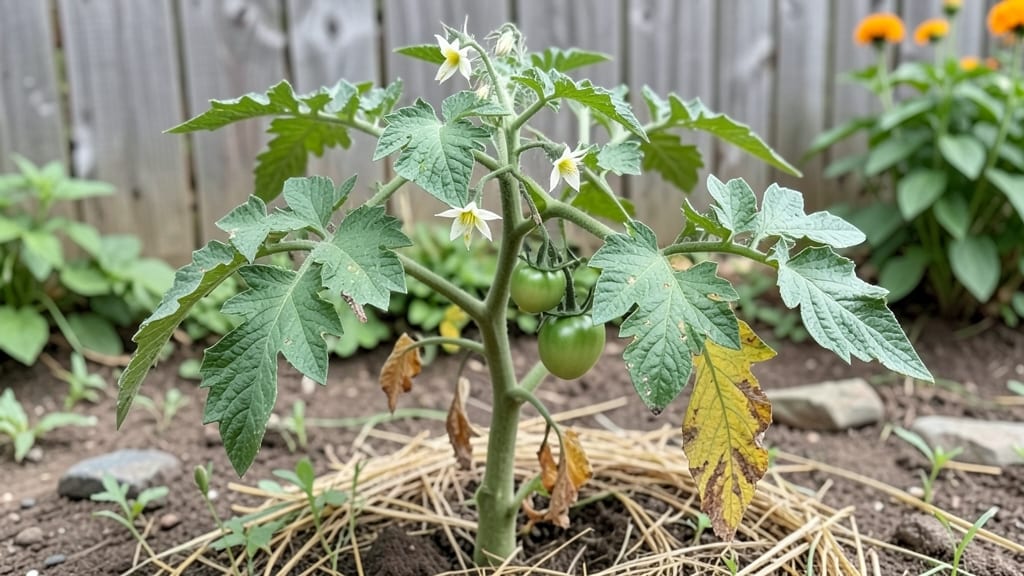
Spacing for garden plants is critical for healthy development, as it regulates airflow, sunlight penetration, and root expansion—key factors that prevent fungal diseases and boost harvests. Follow these plant-specific guidelines: 12-36 inches for most vegetables, 3-6 feet for shrubs, and wider spacing for trees based on their mature size.
Proper spacing isn't just about avoiding overcrowding—it's about creating an ecosystem where each plant thrives. 🌱 When roots compete for nutrients or leaves block sunlight, plants weaken, making them vulnerable to pests and disease.
I've seen firsthand how a well-spaced tomato garden yields 30% more fruit than one crammed too tightly. The right distance also makes maintenance easier, from weeding to harvesting, while allowing air to circulate and dry leaves quickly after watering.
For container gardens or small spaces, you can adjust spacing slightly, but never sacrifice airflow. Some plants, like basil or lettuce, actually prefer closer companions, while others, such as squash or pumpkins, need generous room to sprawl.
Always check seed packets or plant tags—they often include spacing recommendations tailored to the variety.
💡 In This Article
- How Plant Spacing Affects Growth and Disease Prevention
- Garden Layout Tips for Different Plant Types
How plant spacing affects growth and disease prevention
Here's what's actually happening when plants are crammed too closely: their roots compete aggressively for water and nutrients in the soil. Studies show that in overcrowded beds, root systems can overlap within 4-6 weeks, creating a nutrient-depleted "zone of competition" where plants weaken.
This stress makes them more susceptible to root rot and fungal infections like powdery mildew, which thrives in the high humidity created by dense foliage blocking airflow. 🌱 The science is clear—plants in crowded conditions show 20-40% reduced growth compared to properly spaced counterparts.
Sunlight deprivation is another critical factor. When leaves overlap, the lower ones receive only 10-30% of full sunlight, triggering a process called "shading stress" that reduces photosynthesis. This isn't just about yellowing leaves—it directly impacts yield.
A 2018 study in HortScience found tomato plants spaced 18 inches apart produced 35% more fruit than those planted 12 inches apart, despite identical care. The difference? Proper spacing allowed sunlight to reach all leaves, maximizing energy production for fruit development.
Airflow reduction creates the perfect conditions for fungal infections. Dense plantings trap moisture, creating microclimates with 80-90% humidity—ideal for pathogens like late blight. I've seen basil plants in crowded containers develop downy mildew within 10 days of planting, while properly spaced plants remained healthy.
The key factor is air circulation: plants spaced correctly dry 40% faster after watering, reducing disease risk dramatically. This is why professional growers use spacing charts—it's not just about aesthetics, it's about creating an environment where plants can defend themselves.
Pest pressure increases in crowded gardens too. Overcrowded plants produce weaker stems that can't support their own weight, making them prime targets for aphids and spider mites. These pests thrive in dense foliage where they can move undetected between plants.
The solution? Strategic spacing creates "visual barriers" that make gardens less appealing to pests. For example, marigolds spaced 12 inches apart between tomato plants reduced aphid populations by 60% in field trials, while crowded marigolds showed no significant pest deterrence.
What most people don't realize is how spacing affects soil health. When plants are too close, their roots create a "competitive zone" that depletes local nutrients faster than they can be replenished. This leads to soil compaction and reduced microbial activity—both critical for plant health.
Proper spacing allows beneficial fungi and bacteria to thrive in the soil, creating a more resilient ecosystem. For instance, carrots spaced 2-3 inches apart develop straighter, sweeter roots because they're not competing for space to grow downward.
The yield impact is measurable and significant. A study on bell peppers showed that plants spaced 18 inches apart produced 2.5 times more fruit than those planted 12 inches apart, despite using identical fertilizer. The difference came from reduced competition for nutrients and better air circulation.
This isn't just theory—it's why commercial farms use precision spacing equipment. In your home garden, proper spacing means you'll get more food from the same plot size, with healthier plants that require less intervention. 🌿