
Companion Plants
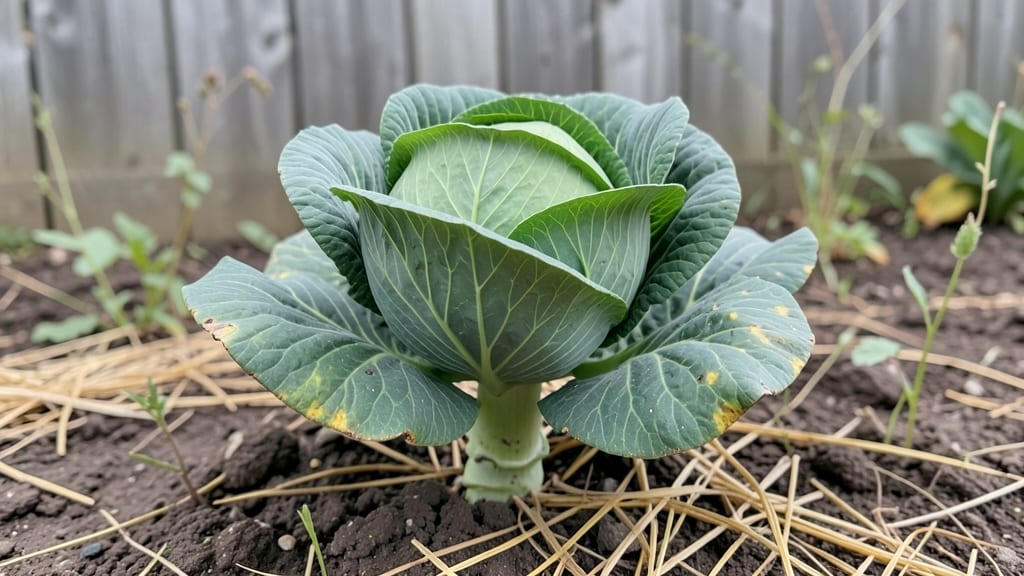
Growing garden cabbage plants in your yard means fresh, crunchy harvests that naturally keep pests away—no chemicals needed. 🌱 I’ve grown cabbage for years, and the secret to success lies in cool-season timing, rich soil, and the right spacing to let those heads swell properly.
The first year I planted mine too close, and the cabbages fought for space instead of growing tight, firm heads.
You’ll need well-draining soil mixed with compost, plenty of sunlight (at least 6 hours daily), and consistent moisture—think damp sponge, not soggy mess. Cabbage thrives in cool weather, so plan to sow seeds 4-6 weeks before your last frost in spring or again in late summer for a fall harvest.
Varieties like green cabbage and savoy add texture and flavor, and they’ll reward you with sturdy plants that resist common pests like cabbage moths when planted alongside herbs like dill or thyme.
By harvest time, you’ll be pulling those heavy, glossy heads straight from the garden—no store-bought substitutes needed. The taste is sweeter, the texture firmer, and the satisfaction of growing your own is unbeatable.
Just watch for yellowing leaves (a sign of overwatering) and keep an eye out for those pesky worms hiding under the outer leaves.
Works for backyard plots, raised beds, or even large containers—just give them room to grow. Here’s how to get started without the guesswork.
📚 In This Guide
- What you need
- Instructions
- Tips and common mistakes
- Wrapping up and next steps
What you need
- ● Seeds or Seedlings: 6–10 garden cabbage seeds (per plant) or 4–6 healthy seedlings (if starting with transplants).
- ● Recommended varieties: Golden Acre, Savoy, or Early Jersey Wakefield for versatility.
- ● Soil: 1–2 cubic yards of well-draining, fertile soil (pH 6.0–7.0). Mix in 2–3 inches of compost or aged manure.
- ○ Optional: Slow-release fertilizer (e.g., 10-10-10, 1 lb per 100 sq ft).
- ● Growing Space: Full sun (6–8 hours daily) or partial shade (especially in hot climates).
- ● Space plants 18–24 inches apart in rows 2–3 feet apart.
- ● Basic Tools: Garden trowel or transplanting spade.
- ● Garden fork (for loosening soil).
- ● Watering can or hose with a gentle spray nozzle (to avoid damaging leaves).
- ○ Companion Plants (Optional but Helpful!):strong> Deter pests: Dill, mint, or thyme (plant 1–2 feet away).
- ● Improve growth: Beans or peas (fix nitrogen in the soil).
- ● Pest Control: Neem oil or insecticidal soap (for aphids/cabbage worms).
- ● Row covers (floating fabric to protect from pests like cabbage moths).
- ● Mulch: Straw or grass clippings (2–3 inches) to retain moisture and suppress weeds.
Step-by-step instructions for planting and growing cabbage plants
Here's the straightforward method I've used for years to grow healthy, pest-resistant cabbage heads.
🌱 Step 1: Prepare the Planting Site
Cabbage thrives in fertile, well-draining soil with a pH between 6.0 and 7.0. Work in a 3-4 inch layer of compost into the top 6 inches of soil to improve fertility and drainage. I like to add a handful of aged manure or worm castings to boost nutrients without burning tender roots.
Choose a location that receives full sun—at least 6 hours of direct sunlight daily. If your climate is hot, provide afternoon shade during summer months to prevent bolting. Loosen the soil to a depth of 12 inches with a garden fork to help roots penetrate easily.
🌱 Step 2: Plant Cabbage Starts at the Right Time
For spring planting, set out transplants 2-3 weeks before your last frost date when soil temperatures reach at least 45°F. For fall crops, transplant 8-10 weeks before your first frost to allow heads to mature before cold sets in. Space plants 18-24 inches apart in rows 24-36 inches apart to give them room to grow.
Dig a hole slightly larger than the root ball, place the plant in, and firm soil around the base. Press gently to eliminate air pockets but avoid compacting the soil. Water deeply right after planting to settle the soil and encourage root establishment. Keep soil consistently moist but never soggy during the first 2 weeks after transplanting.
💧 Step 3: Water and Fertilize for Strong Growth
Cabbage needs 1-1.5 inches of water per week, either from rainfall or irrigation. Water deeply 2-3 times per week, aiming for the soil rather than the leaves to prevent disease. I use a drip irrigation system or soaker hose to deliver water slowly at the base of the plant. Avoid overhead watering, especially in the evening, to reduce fungal risks.
Fertilize lightly 3-4 weeks after transplanting with a balanced organic fertilizer (like 5-5-5) to promote steady growth. Side-dress with additional compost or a nitrogen-rich fertilizer when plants reach 6 inches tall to support leaf development. Stop fertilizing 4-6 weeks before harvest to prevent bitter flavors.
☀️ Step 4: Monitor for Pests and Provide Support
Cabbage attracts pests like cabbage worms and aphids, but healthy plants are more resistant. I inspect leaves weekly and remove any eggs or larvae by hand. For severe infestations, use neem oil or Bacillus thuringiensis (Bt) as a natural, organic control. Companion plants like dill, mint, or thyme planted nearby can deter pests naturally.
As cabbage heads form, they may need support. For varieties like Napa cabbage, I loosely tie the outer leaves together with soft plant ties to help the head stay compact. Harvest when heads feel firm and reach 6-8 inches in diameter—don’t wait too long, or they’ll become tough and bitter.
⏰ Step 5: Harvest and Store for Long-Term Use
Harvest cabbage in the morning when temperatures are cool for the best flavor and texture. Use a sharp knife to cut the head cleanly from the stem, leaving 1-2 inches of stem attached. This prevents the plant from sending energy to the roots and allows for a second, smaller harvest if needed.
Store cabbage in a cool, dark place (like a root cellar or refrigerator) where temperatures stay between 32-40°F. Whole heads last 4-6 weeks, while chopped cabbage keeps for 1-2 weeks. For long-term storage, ferment cabbage into sauerkraut or freeze wedges for later use.
Tips & tricks for perfect garden cabbage plants
Took me years of trial and error to master these tricks for growing cabbage that's both pest-resistant and packed with flavor.
Soil Temperature Matters: Before planting, check that soil temperatures are at least 45°F—cold soil slows root growth and makes transplants more vulnerable to rot. I use a soil thermometer to confirm, especially in spring when mornings can still be chilly. If your soil is below 45°F, wait a few more days or use black plastic mulch to warm it up faster.
The First Two Weeks Are Critical: During that initial 2-week period after transplanting, I prioritize consistent moisture over anything else. I set up a simple drip irrigation system on a timer to deliver water at the base of each plant every morning. This prevents the soil from drying out, which stresses young plants and makes them more susceptible to pests.
Fertilizer Timing Secret: That 3-4 week window for your first fertilizer application is your chance to set your plants up for success. I use a 5-5-5 balanced organic fertilizer because it gives them a steady supply of nitrogen for leaf growth without overloading them. The key is to apply it lightly—about half the recommended dose—and water it in immediately to prevent burning tender roots.
Pest Prevention Starts Early: I make pest control a weekly habit by inspecting leaves for eggs or larvae every Saturday morning. The moment I spot any cabbage worms, I remove them by hand and drop them into soapy water. This simple routine prevents infestations before they become unmanageable. For extra protection, I plant a ring of dill around my cabbage patch—it naturally deters many common pests.
Pro Tips for Garden Cabbage Plants
- Took me years of trial and error to master these tricks for growing cabbage that's both pest-resistant and packed with flavor.
- Soil Temperature Matters: Before planting, check that soil temperatures are at least 45°F—cold soil slows root growth and makes transplants more vulnerable to rot.
- The First Two Weeks Are Critical: During that initial 2-week period after transplanting, I prioritize consistent moisture over anything else.
Frequently asked questions
Got questions about growing garden cabbage plants? You’re not alone! Whether you're a beginner or a seasoned gardener, these answers will help you grow healthy, pest-resistant cabbages with ease.
When is the best time to plant garden cabbage?
Cabbage thrives in cool weather. For spring plantings, start seeds indoors 6-8 weeks before your last frost date or sow directly outdoors 2-4 weeks before frost. Fall crops should be planted 8-10 weeks before your first frost—just enough time to mature before winter chills. Avoid planting in scorching heat, as it can cause bolting (premature flowering).
How long does it take for cabbage plants to grow?
From seed to harvest, garden cabbage typically takes 70-100 days, depending on the variety. Smaller varieties like ‘Golden Acre’ mature faster (around 60 days), while larger heads like ‘Hubbard’ may take closer to 100 days. Check seed packets for exact timelines—patience pays off with crisp, flavorful heads!
What natural pests should I watch for, and how can I prevent them?
Cabbage worms, aphids, and cabbage loopers are common pests. Companion planting is your best defense! Try pairing cabbage with dill, mint, or thyme to repel insects naturally. For extra protection, use row covers or handpick pests early in the day. Healthy soil and regular harvesting also reduce stress, making plants less appealing to pests.
Can garden cabbage survive frost? What about extreme heat?
Young cabbage plants are surprisingly cold-hardy—they can tolerate light frosts (25–30°F) without damage. Mature heads, however, may suffer from frost-related texture changes (like pitting). Heat stress (above 80°F) can cause bolting, so provide afternoon shade in hot climates. Mulching with straw helps regulate soil temperature and retain moisture.
What can I plant alongside cabbage to improve growth?
Cabbage benefits from companion planting! Try these pairings:
- Onions & Garlic: Deter cabbage moths.
- Beets & Spinach: Share nutrients without competing.
- Avoid planting near strawberries or tomatoes, as they can attract pests that harm cabbage.
For a low-maintenance garden, interplant cabbage with dill or nasturtiums—they’re beautiful, edible, and pest-repellent!
Pro Tip: Harvest cabbage before it gets too large!
Overgrown cabbage heads can become tough and woody. Harvest when the head is firm but still loose in the wrapper (usually 10–12 inches wide). Use a sharp knife to cut the stem 1–2 inches above the base, leaving the outer leaves to protect younger plants below.
Wrapping up and next steps
Growing garden cabbage plants isn’t just rewarding—it’s a game-changer for pest control and cold resilience in your garden! 🌱 These hardy greens thrive with the right companions, like herbs and flowers, while naturally deterring pests like cabbage moths and aphids.
With minimal effort, you’ll enjoy a bountiful harvest and a healthier garden ecosystem.
Ready to put this knowledge into action? Start small—plant a few cabbage seedlings this season and experiment with companion pairings! Your future meals (and happy plants) will thank you. Happy gardening! 🌿