
Lawn
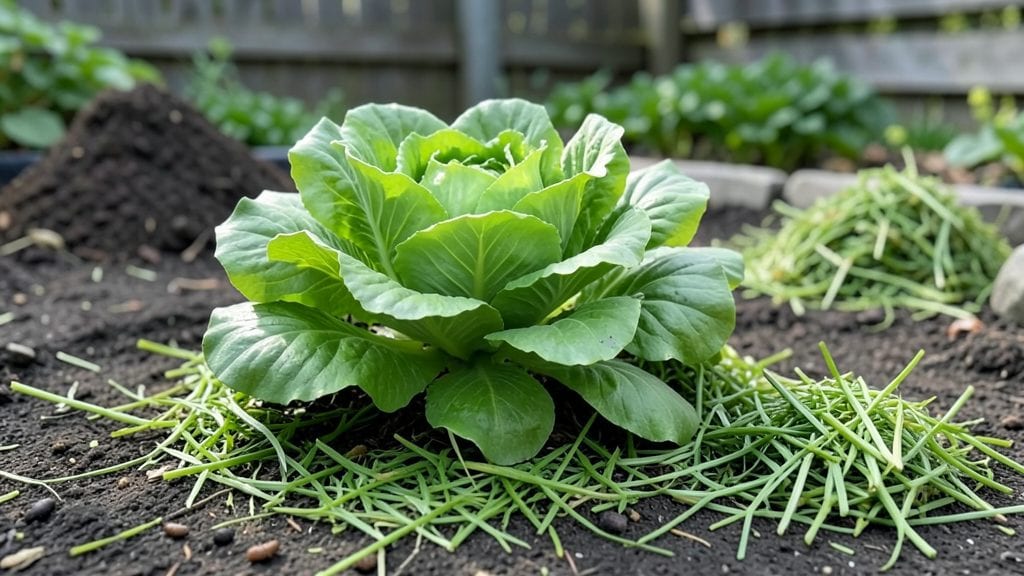
Putting grass clippings in the garden acts as a natural fertilizer, returning nitrogen and organic matter to the soil while reducing waste. Spread thinly and water to prevent matting, or compost for faster decomposition.
Grass clippings are packed with nutrients that feed your soil, especially nitrogen, which is essential for leafy green growth. 🌱 When you mulch them directly, they break down quickly, releasing nutrients over time—ideal for lawns and vegetable gardens.
The key is keeping the layer thin (about ¼ inch) to avoid smothering plants or attracting pests. For faster results, composting clippings first creates a richer, more balanced soil amendment.
This method also cuts down on yard waste, saving you time and money on disposal. Many gardeners swear by it because it’s free, sustainable, and works best when used consistently. Just avoid overdoing it—too many clippings can create a thick mat that blocks sunlight and air from reaching the soil.
💡 In This Article
- How Grass Clippings Improve Garden Soil Health
- Best Practices for Using Grass Clippings Safely
How grass clippings improve garden soil health
Grass clippings are a powerhouse of nitrogen, containing about 2-4% nitrogen by dry weight, which is roughly 10-20 times more than mature grass leaves. When you leave them on your lawn or garden, they decompose rapidly, releasing this nitrogen in a form plants can easily absorb.
This process mimics natural ecosystems where fallen plant matter recycles nutrients back into the soil, creating a self-sustaining cycle. The breakdown begins within 24-48 hours when clippings are spread thinly, thanks to microbial activity that thrives on the organic material.
The magic happens through the carbon-to-nitrogen (C:N) ratio—fresh grass clippings have a ratio of about 15:1 to 20:1, which is nearly perfect for decomposition. Microbes feast on the clippings, breaking them down into simpler compounds while releasing nutrients like phosphorus and potassium as byproducts.
This microbial activity also creates tiny pores in the soil, improving aeration and water retention. 🌱 Unlike synthetic fertilizers that provide a quick but short-lived nutrient boost, grass clippings offer a slow-release feed that builds soil health over time.
Fresh clippings work best when spread in a ¼-inch layer—thicker layers can smother plants and create thatch. However, composting clippings first (mixing with brown materials like leaves or straw) creates a more balanced amendment with a 25:1 C:N ratio, ideal for enriching garden beds.
The composting process also eliminates weed seeds and pathogens, making it safer for vegetable gardens. For lawns, fresh clippings are sufficient, but for flower beds or vegetable patches, composted clippings provide a cleaner, more nutrient-dense option.
Beyond nutrients, grass clippings act as a natural mulch that protects soil from erosion caused by rain or wind. The fine texture of clippings creates a protective layer that shields soil particles from being washed away, while also reducing evaporation.
This is especially valuable in sandy soils where nutrients leach out easily. The clippings' fibrous structure also helps bind soil particles together, improving overall soil structure over time. 💫
One often-overlooked benefit is the clippings' role in supporting beneficial soil microbes. These tiny organisms break down organic matter, releasing nutrients while also producing compounds that suppress harmful pathogens.
Studies show that lawns maintained with grasscycling (leaving clippings) can have 20-30% more microbial activity compared to those where clippings are removed. This microbial boost translates to healthier plants with stronger root systems and better disease resistance.
For maximum benefits, combine clippings with other organic materials like coffee grounds or kitchen scraps to create a balanced soil amendment. The key is consistency—regular applications keep soil fertile without overwhelming plants.
Whether you choose fresh or composted clippings, you're essentially turning yard waste into a free, high-quality soil enhancer that works in harmony with nature's cycles. ✨