
Tools
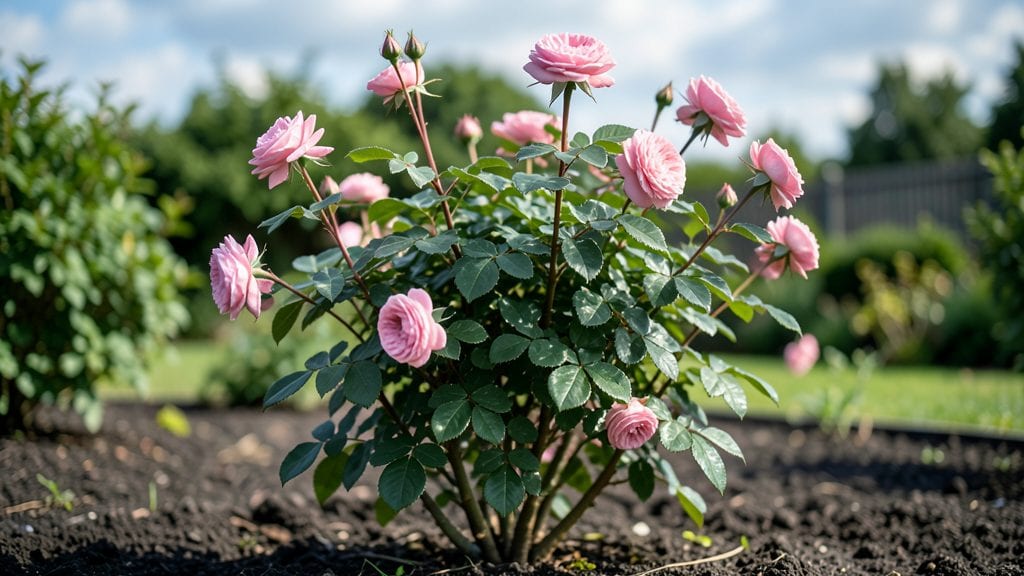
A small rose garden doesn’t mean sacrificing drama—it means choosing the right varieties and playing with space. I stumbled onto this idea after watching my first climbing rose twine up a trellis in just 3 months, turning a bare corner into a fragrant tunnel.
The secret lies in dwarf roses, climbing varieties, and clever vertical layers that pack in more blooms without sprawling.
Start with 3-5 plants—maybe a mix of a compact bush rose, a climbing variety for a fence, and a ground-covering type like 'Flower Carpet.' Add fragrant companions like lavender or catmint to fill gaps and keep pests away.
A 5-gallon container works for patio roses, while a simple trellis or obelisk transforms vertical space into blooming real estate.
By summer, you’ll have a garden that smells like a grandma’s porch but fits in a 4x4-foot patch. The roses will layer their blooms—early spring, summer repeats, and fall color—while the supporting plants keep things lush. Maintenance stays light because small spaces mean less weeding and easier pruning.
Works for balconies, courtyard corners, or even a sunny windowsill with the right dwarf varieties. The key is strategic placement—sunlight, airflow, and a little elbow grease in spring. Let’s make that small space unforgettable.
📚 In This Guide
- What you need
- Instructions
- Tips and common mistakes
- Wrapping up and next steps
What you need
- ● Rose plants: 3–5 dwarf or miniature rose bushes (choose disease-resistant varieties like 'Bonica,' 'Playboy,' or 'David Austin English Roses').
- ● Garden soil: 2–3 cubic yards of high-quality, well-draining potting mix or garden soil (amend with compost for nutrients).
- ● Fertilizer: Slow-release rose fertilizer (10-10-10 NPK ratio) or organic options like bone meal or worm castings.
- ● Mulch: 2–3 bags of organic mulch (cedar chips or straw) to retain moisture and suppress weeds.
- ● Pruning shears: Bypass pruners (sharp, clean, and sterilized with rubbing alcohol).
- ● Garden gloves: Heavy-duty, breathable gloves to protect your hands.
- ● Watering can or hose: With a gentle spray nozzle for even watering.
- ● Stakes or cages: 3–5 small rose trellises or stakes (4–6 feet tall) for support.
- ○ Peat moss or perlite: For improving drainage in heavy clay soil (optional but helpful).
- ● Companion plants: Low-growing perennials like lavender, thyme, or creeping phlox for texture and pest control.
- ● Decorative borders: Cobblestones, bricks, or metal edging to define your garden’s shape.
- ● Rose food: Liquid fertilizer (like Miracle-Gro) for a mid-season boost.
- ● Pest control: Neem oil or insecticidal soap to deter aphids and beetles.
- ● Garden kneeler: For comfortable planting and maintenance.
Instructions for designing a small, fragrant rose garden
Here's how to create a layered, low-maintenance rose garden that delivers color and scent all season long.
Choose the Right Location and Sunlight
Roses thrive where they get at least 6 hours of direct sunlight daily, but morning sun with afternoon shade works best in hot climates. I always scout the site in late afternoon to check for shade patterns—trees and buildings cast longer shadows than you might expect. Mark the area with stakes to visualize your 4-foot diameter garden space.
Dig a test hole 12 inches deep in the center of your marked area. If the soil feels compacted or clay-heavy, you'll need to amend it before planting. Roses hate soggy roots, so avoid low spots where water pools after rain. If your yard has poor drainage, consider building a raised bed instead.
Prepare the Soil for Healthy Growth
Remove any grass or weeds from your 4-foot circle, then loosen the soil with a garden fork to a depth of 12 inches. Work in 2 inches of compost and 1 cup of 10-10-10 fertilizer per square foot to give your roses a nutrient boost. I like to mix in a handful of Epsom salt too—it helps prevent yellowing leaves and encourages strong canes.
Rake the amended soil smooth and level. The surface should feel crumbly and slightly moist but not sticky. If it clumps when squeezed, add more compost or sand. Avoid using fresh manure—it can burn tender rose roots. Water the prepared soil deeply to help settle everything before planting.
Plant Roses in Strategic Layers
For a fragrant garden that blooms all season, I plant 4 roses in a staggered pattern: two shrub roses (like 'Knock Out' or 'Dr. Huey') at the outer edges, and two climbing roses (like 'New Dawn' or 'Blaze') trained along a small trellis or fence. Space plants 3 feet apart to allow airflow and prevent disease.
Dig holes twice as wide as the root ball but no deeper. Place each rose so the graft union sits 2 inches above soil level—this prevents buried unions from producing wild suckers. Backfill with native soil mixed with a handful of compost, then water deeply to eliminate air pockets. Mulch with 2 inches of shredded bark to conserve moisture and suppress weeds.
Set Up Support and Watering Systems
Install 4-foot tall stakes for your shrub roses and a 6-foot trellis for climbers. Secure them firmly before planting to avoid disturbing roots later. I use soft plant ties to attach canes—tight enough to hold but loose enough to allow growth. Prune new roses immediately after planting to remove any damaged leaves or weak stems.
Set up a drip irrigation system or soaker hose along the outer edge of the garden. Water deeply 2-3 times per week during the first growing season to encourage deep root growth. You'll know you're doing it right when the soil feels moist 4 inches down but not soggy at the surface. Avoid overhead watering—it spreads disease and wastes water.
Maintain for Continuous Blooms and Fragrance
Deadhead spent blooms regularly to encourage more flowers. I prune roses in three stages: right after planting, in early spring, and again in late summer. Always use clean, sharp pruners and make cuts just above an outward-facing bud. Fertilize every 6 weeks during the growing season with a rose-specific formula to keep blooms abundant.
Watch for pests like aphids or Japanese beetles—spray with neem oil at the first sign of trouble. In fall, apply a 2-inch layer of mulch and reduce watering as temperatures drop. Your roses will reward you with fragrant blooms from early summer through frost if you keep up with these simple steps.
Tips & tricks for perfect small rose garden design
A few key strategies will help you create a fragrant, low-maintenance rose garden that thrives year after year. Here's what I've learned from years of gardening:
Location is Everything: When checking for that crucial 6 hours of sunlight, observe your yard at different times of day—what seems like full sun in the morning might become shaded by late afternoon. I've found that east-facing gardens get the ideal morning sun with afternoon shade, which is perfect for hot climates. Don't be afraid to move your stakes around until you find the sweet spot that gets consistent light.
Soil Preparation Secret: The 12-inch deep soil preparation in Step 2 is non-negotiable for healthy roses. I've learned that adding 2 inches of compost and that handful of Epsom salt makes all the difference in preventing yellow leaves and encouraging strong growth. For heavy clay soils, mix in some coarse sand to improve drainage—your roses will thank you with vibrant blooms.
Planting Strategy: The staggered planting pattern in Step 3 creates visual interest while maximizing fragrance. I recommend planting your climbing roses first since they'll take longer to establish. When positioning your 4-foot stakes and 6-foot trellis, install them before planting—this prevents disturbing roots later. The 2-inch gap above the graft union is crucial for preventing wild suckers that can ruin your rose's appearance.
Watering Wisdom: That 4-inch deep moisture check in Step 4 is the gold standard for rose care. I've found that using a moisture meter makes it easy to track—aim for soil that feels like a wrung-out sponge. The drip irrigation system I recommend saves time and prevents fungal diseases that come from overhead watering. Water in the early morning to give leaves time to dry before evening.
Pro Tips for Small Rose Garden
- A few key strategies will help you create a fragrant, low-maintenance rose garden that thrives year after year.
- Location is Everything: When checking for that crucial 6 hours of sunlight, observe your yard at different times of day—what seems like full sun in the morning might become shaded by late afternoon.
- Soil Preparation Secret: The 12-inch deep soil preparation in Step 2 is non-negotiable for healthy roses.
Frequently asked questions
Got questions about creating your dream small rose garden? You’re not alone! Here are answers to the most common queries to help you grow confidently—whether you’re a beginner or a seasoned green thumb.
What’s the best location for a small rose garden?
A small rose garden thrives in full sun (6+ hours daily) and well-draining soil. Avoid low spots where water pools—roses hate soggy roots! If your yard is shady, opt for dwarf varieties or climbers near a sunny wall. South-facing spots (in the Northern Hemisphere) are ideal for maximum blooms.
When is the best time to plant roses in a small garden?
Plant bare-root roses in early spring (before buds swell) or fall (6 weeks before frost). Container-grown roses can go in anytime, but avoid extreme heat or cold. Pro tip: Soak bare roots in water for 1–2 hours before planting to reduce transplant shock!
Can I grow roses in containers for a small garden?
Dwarf or mini roses (like ‘Fairy’ or ‘Playboy’) are perfect for pots (10–15 gallons per plant). Use a mix of potting soil, compost, and perlite for drainage. Place containers near a sunny patio or balcony. Just remember: Containers dry out faster—water deeply 2–3 times weekly in summer.
How do I keep pests and diseases away in a small rose garden?
Prevent issues with proper spacing (12–18 inches apart) for airflow. Remove fallen leaves/debris to deter fungi. For pests: Spray neem oil (organic) or introduce ladybugs for aphids. Early detection is key—check undersides of leaves weekly. Prune dead/diseased canes in late winter to stop spread.
What’s the easiest low-maintenance rose for beginners?
Start with ‘Knock Out’ roses—they’re disease-resistant, rebloom all season, and grow in tough conditions. Other great picks: ‘Dr. Huey’ (dwarf), ‘The Fairy’ (mini), or ‘Iceberg’ (climbing). These varieties forgive neglect and still deliver stunning blooms with minimal fuss!
Wrapping up and next steps
A small rose garden is more than just a charming addition to your space—it’s a fragrant, ever-evolving masterpiece that rewards patience and care. 🌹 From choosing the right varieties to layering plants for year-round beauty, every step brings you closer to a blooming oasis.
Whether you’re a beginner or a seasoned gardener, the key is to start small, stay consistent, and let nature do the magic.
Ready to dive in? Grab your tools, sketch your design, and begin planting! Your future self—and your nose—will thank you. 🌱✨