
Size
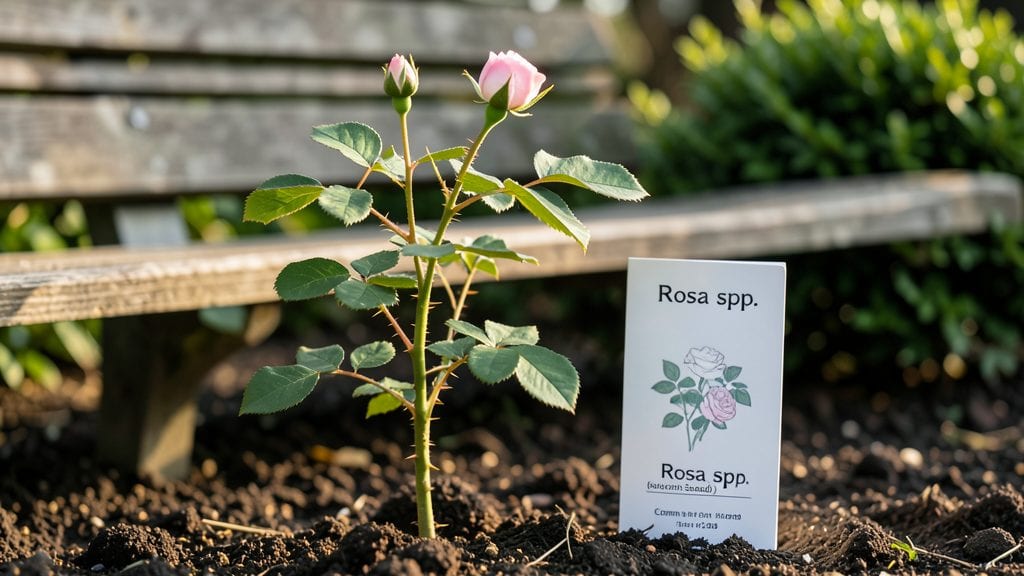
Grow a garden from rose seed and you’ll nurture plants that might never make it to a nursery—watch tiny seedlings transform into sturdy bushes over three seasons. 🌱 I’ve seen the patience pay off with blooms that feel like a secret gift.
The key isn’t rushing—it’s creating the right conditions for those first fragile sprouts to thrive before they even think about flowering.
You’ll need a sunny windowsill or grow light, a seed-starting mix that drains well, and a bit of warmth to coax germination. Most seeds take 2-4 weeks to sprout, and early care—like keeping soil moist but not soggy—makes all the difference.
I’ve lost count of how many seedlings I’ve drowned before learning this lesson the hard way.
By the time they’re ready for the garden, your seedlings will be stocky and dark green, not the leggy messes you sometimes see. The first blooms might take 2-3 years, but each step—from seed to sprout to bud—feels like watching a miracle unfold.
The real reward? Roses with a story you helped write.
This method works for hybrid teas, climbers, or old-fashioned garden roses—just adjust light and space as they grow. The slow-blooming payoff is worth every bit of tender care. Let’s get those seeds started right.
📚 In This Guide
- What you need
- Instructions
- Tips and common mistakes
- Wrapping up and next steps
What you need
- ● Rose seeds: Choose fresh, viable seeds (or seed pods) from hybrid teas, floribundas, or climbers. Aim for at least 10 seeds—some may not germinate!
- ● Seed-starting mix: A lightweight, sterile peat-based or coconut coir blend (avoid garden soil—it’s too dense!). A 5-gallon bag is ideal for small batches.
- ● Containers: Small pots (3–4 inches deep) or a seed tray with drainage holes. 6–12 cells per tray works well.
- ● Clear plastic wrap or dome: To create a mini greenhouse effect and retain humidity.
- ● Spray bottle: For gentle watering (avoid over-saturating seeds!).
- ● Grow lights or sunny windowsill: Seeds need 12–16 hours of light daily (a LED grow bulb is a budget-friendly option).
- ○ Tweezers or toothpick: For delicate seed placement (optional but helpful!).
- ○ Heating mat (optional): Speeds up germination—set to 70–75°F for best results.
- ● Fertilizer: A balanced, water-soluble fertilizer (5-5-5 or 10-10-10) for seedlings once they sprout.
- ● Pruning shears: For transplanting or trimming later stages.
- ● Garden gloves: Protects hands from thorns as plants mature!
Step-by-step instructions for growing roses from seed in your garden
Here's how to nurture delicate rose seeds into strong, blooming plants with patience and care.
🌱 Step 1: Stratify Seeds to Break Dormancy
Roses need a cold period to germinate, so place your seeds in a ziplock bag with a damp paper towel. Seal it and refrigerate for 4-6 weeks—this mimics winter's chill. Check weekly to ensure the towel stays moist but not soggy. You'll know it's working when tiny roots peek through the towel.
After stratification, remove the seeds and plant them ¼ inch deep in the seed-starting mix inside your containers. Gently press the soil around them so they stay in place. This cold treatment is critical—skipping it results in poor or no germination.
💧 Step 2: Create Warm, Humid Conditions for Germination
Cover the containers with a clear plastic dome or wrap them in plastic wrap to trap warmth and moisture. Place them in a spot that stays at 70-75°F, like on top of your refrigerator or near a sunny window. Germination can take 2-4 weeks, so be patient—don't disturb the soil.
Keep the soil consistently moist by misting lightly every 2-3 days until you see the first green shoots. Overwatering here causes rot, so check the soil daily. Once sprouts appear, remove the cover immediately to prevent fungal growth.
☀️ Step 3: Provide Gentle Light and Gradual Acclimation
Move the seedlings to a bright spot with indirect light for the first week—they're delicate and can scorch in direct sun. After that, introduce them to 4-6 hours of morning sunlight daily to toughen them up. You'll notice stronger stems and darker green leaves as they adjust.
When seedlings reach 2 inches tall, transplant them into individual 4-inch pots filled with the same mix. Handle them carefully—they're fragile at this stage. Water lightly after transplanting to help roots settle.
🌿 Step 4: Harden Off and Plant Outdoors
Two weeks before your last frost date, start hardening off by placing seedlings outside in a sheltered spot for 1-2 hours daily. Gradually increase their time outdoors over 10-14 days, protecting them from harsh winds. Watch for wilting—if it happens, they're not ready yet.
Plant outdoors after all danger of frost has passed, spacing them 18-24 inches apart in well-draining soil. Water deeply at planting and mulch with 2 inches of compost to retain moisture. Roses grown from seed take 2-3 years to bloom, so be patient—your reward will be unique, hardy plants.
Tips & tricks for perfect rose seed growth
Growing roses from seed requires precision—these insider tips will help you avoid common pitfalls and nurture your delicate sprouts into thriving plants.
The Stratification Secret: During your 4-6 weeks of cold treatment, place the ziplock bag on a shelf in your fridge where the temperature stays consistently around 35-40°F. This mimics natural winter conditions more accurately than the warmer fridge compartments. I've found that using a small container with drainage holes underneath the bag prevents excess condensation from forming—this keeps the paper towel from getting too soggy, which can cause mold.
Germination Temperature Trick: Maintaining that 70-75°F range during germination is crucial, but don't worry if your home doesn't stay perfectly warm. Place your containers on top of your refrigerator—the compressor creates a warm, stable environment. If you notice condensation forming on the plastic cover, that's a good sign your humidity levels are just right. Just be sure to remove the cover immediately when you see those first green shoots to prevent fungal growth.
Light Transition Strategy: When moving your seedlings to indirect light after the first week, position them near an east-facing window where they'll receive gentle morning sunlight. The cooler morning light prevents scorching while still providing the energy they need. I've noticed that seedlings exposed to afternoon sun too soon often develop yellowing leaves—a clear sign they're getting too much intensity too quickly. Gradually increase their sun exposure by moving them closer to the window by 1 inch each week.
Transplanting Timing Tip: Wait until your seedlings have at least 2-3 sets of true leaves before transplanting into individual pots. This extra growth gives them stronger root systems to handle the transplant shock. When repotting, water the seedlings thoroughly in their original containers first—this helps preserve the root ball and makes the transition easier. After transplanting, place the pots in a shaded area for 24 hours to help them recover before introducing them to more light.
Pro Tips for Rose Seed Grow A Garden
- Growing roses from seed requires precision—these insider tips will help you avoid common pitfalls and nurture your delicate sprouts into thriving plants.
- The Stratification Secret: During your 4-6 weeks of cold treatment, place the ziplock bag on a shelf in your fridge where the temperature stays consistently around 35-40°F.
- Germination Temperature Trick: Maintaining that 70-75°F range during germination is crucial, but don't worry if your home doesn't stay perfectly warm.
Frequently asked questions
Got questions about growing roses from seed? You’re not alone! Here are some of the most common queries—and their answers—to help you navigate your rose-growing journey with confidence.
How long does it take for rose seeds to germinate?
Patience is key! Most rose seeds take anywhere from 10 days to 6 months to sprout, depending on the variety and conditions. Some seeds (like hybrid teas) may take longer, while wild or heirloom roses often germinate faster. Keep soil consistently moist and warm (around 70–75°F) to encourage speedy growth.
Do rose seeds need cold stratification?
Yes! Many rose seeds benefit from cold stratification to break dormancy. Place seeds in a plastic bag with damp peat moss, refrigerate for 4–8 weeks, then plant. Skip this step for tropical or hybrid roses, but it’s a game-changer for hardy varieties. Pro tip: Label your seeds before stratification to avoid mix-ups!
Why aren’t my rose seeds sprouting?
Don’t panic—several factors could be at play. Check for moisture issues (too dry or waterlogged), poor soil quality (use a seed-starting mix), or lack of light (place near a sunny window or under grow lights). If seeds are old or stored improperly, they may have lost viability. Try scarifying (lightly nicking the seed coat) to help water penetrate.
Can I grow roses from store-bought seeds?
Store-bought seeds (especially from reputable suppliers) are a great way to start. Look for heirloom or wild rose varieties, as they’re more likely to germinate reliably. Hybrid roses (like David Austin or Knock Outs) are trickier—opt for grafted plants for guaranteed results. Always check the seed packet for specific care instructions!
How do I transplant rose seedlings outdoors?
Wait until seedlings have 2–3 sets of true leaves and nighttime temps stay above 50°F. Harden them off by placing outside for 1–2 hours daily, gradually increasing time. Plant in well-draining soil, spacing them 18–24 inches apart. Water deeply after transplanting and mulch to retain moisture. Bonus: Add compost to boost root growth!
Wrapping up and next steps
Growing roses from seed is a rewarding journey that transforms tiny sprouts into stunning blooms—one patient step at a time. 🌱 With the right materials, a dash of patience, and a little love, you’ll nurture a garden filled with fragrant, vibrant roses.
Whether you’re a beginner or a seasoned gardener, every seed holds the potential for beauty.
Now that you’re armed with knowledge, it’s time to take action! Start by planting those seeds, keeping an eye on their progress, and soon, you’ll be surrounded by the magical scent of roses you grew yourself. Happy gardening! 🌸