
Companion Plants
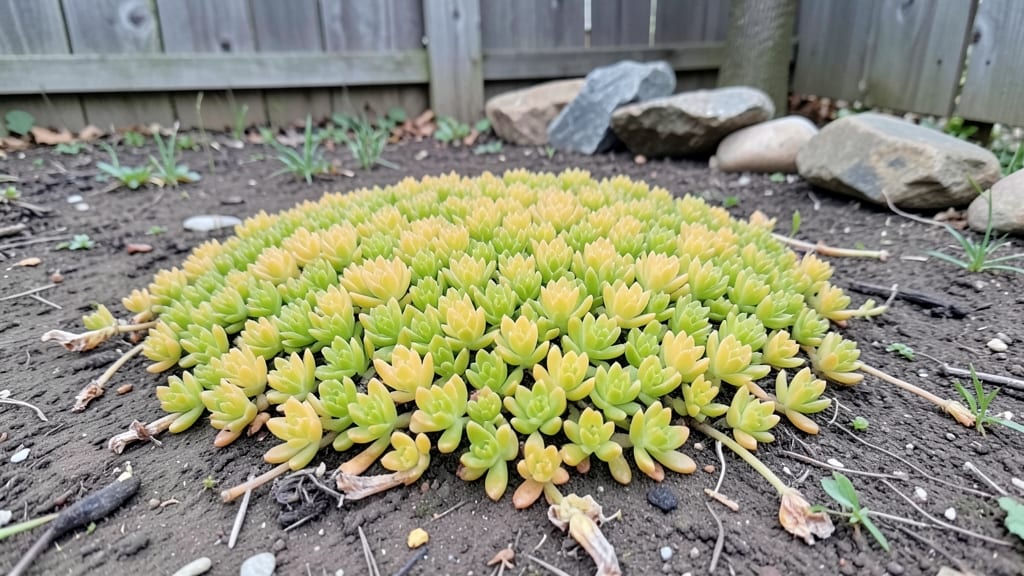
My rock garden ground cover plants transformed a patch of dry, rocky soil into a thriving, sun-drenched tapestry that requires almost no water once established.
The key was choosing plants that love the conditions—creeping thyme, sedum, and ajuga—each bringing a different texture and color while working together to hold the soil in place.
These plants don’t just survive; they thrive, turning what could be a barren spot into a lush, low-maintenance landscape that hums with life even in the hottest summer months.
What makes these plants perfect for rock gardens is their ability to spread without becoming invasive, filling gaps between stones while keeping weeds at bay.
Creeping thyme, for example, forms a fragrant, velvety carpet that stays green even when other plants wilt, while sedum adds plump, jewel-toned foliage that glistens in the sunlight. Ajuga brings deep purple leaves and striking flower spikes, creating contrast that makes the whole garden pop. The best part?
They all demand minimal care—just occasional trimming to keep them tidy and a sprinkle of water during the driest spells.
By the end of the first growing season, you’ll have a garden that looks like it took years to cultivate, but with a fraction of the effort.
The combination of these ground covers creates layers of color and texture, from the silver-blue of sedum to the golden-green of thyme, all while keeping the soil stable and erosion under control.
Plus, the scent of thyme on a warm afternoon is enough to make anyone fall in love with their rock garden all over again.
Whether you’re working with a small alpine garden or a sprawling rocky slope, these plants adapt effortlessly. Pair them with succulents for extra drought resistance or add in low-growing perennials for seasonal blooms, and you’ve got a design that’s both functional and stunning.
Ready to turn your rocky space into a showstopper?
What Stops Ground Covers Thriving
Rock gardens are stunning, but ground cover plants can struggle to take root—or even survive—if key conditions aren’t met. Understanding the root causes of failure helps you create a thriving, drought-resistant landscape. Here’s why your plants might be underperforming, and how to fix it.
Rock gardens rely on fast-draining soil, but if the substrate retains too much moisture, roots suffocate. Here’s why it happens:
- Clay-heavy soil compacts easily, trapping water and blocking oxygen flow to roots. Even with rocks, poor soil structure can create waterlogged pockets.
- Lack of organic matter reduces porosity. Pure gravel or sand may drain too quickly, but without compost or perlite, nutrients wash away, starving plants.
- Improper layering—if rocks are placed directly on top of soil without a drainage layer (like coarse gravel), water pools at the base.
💡 Pro Tip: Test your soil’s drainage by digging a 6-inch hole, filling it with water, and timing how long it takes to drain. If it’s slower than 4 hours, amend with 50% coarse sand or perlite and 30% compost.
Not all drought-resistant plants thrive in full sun. Some ground covers—like Ajuga or Liriope—burn or dry out if exposed to 6+ hours of direct sun without adequate moisture. Here’s the breakdown:
| Plant Type | Sun Tolerance | Risk of Failure |
|---|---|---|
| Sedum (Stonecrop) | Full sun (6+ hrs) | Wilting if overwatered in shade |
| Creeping Thyme | Partial sun (3–4 hrs) | Leaf scorch in intense afternoon sun |
| Heuchera (Coral Bells) | Partial shade (2–4 hrs) | Brown patches from dehydration |
🌡️ Fix It: Group plants by sunlight preferences. Use mulch (gravel or bark) to regulate soil temp in hot climates, and avoid planting shade-lovers in south-facing beds.
Drought-resistant doesn’t mean zero water. Most ground covers need establishment watering (deep soaks every 7–10 days for the first year), but common mistakes lead to failure:
- Shallow watering encourages surface roots, which dry out faster. Roots need 6+ inches deep to access moisture.
- Inconsistent schedules confuse plants. Skipping water after a heatwave stresses them, while overwatering in rocky soil causes root rot.
- Ignoring microclimates—south-facing slopes dry out quicker than north-facing areas. Adjust watering zones accordingly.
⏰ Actionable Fix:
- Water deeply (1–2 inches per session) at dawn to reduce evaporation.
- Use drip irrigation or soaker hoses to deliver water slowly to roots.
- After establishment, reduce to every 2–3 weeks (check soil moisture 2 inches down—if dry, water).
Rock gardens may seem low-maintenance, but pests and pathogens thrive in compacted or nutrient-poor soil. Common culprits:
- Scale insects (sap-sucking pests) weaken Sedum and Delosperma by blocking stomata.
- Fungal diseases (like Phytophthora) spread in overly moist rocky crevices, causing root rot.
- Slugs/snails target tender new growth of Ajuga or Lamium in humid climates.
🔥 Prevention Tips:
- Apply neem oil or insecticidal soap at first sign of pests.
- Space plants 3–6 inches apart to improve airflow (reduces fungal risk).
- Use copper barriers or diatomaceous earth for slug control.
By addressing these root causes, your rock garden ground covers will flourish with minimal fuss. The key? Right plant, right place, right care—no shortcuts needed!
Practical fixes for rock garden challenges
Transforming your rock garden into a thriving, drought-resistant oasis doesn’t have to be a mystery. Whether you’re battling weeds, struggling with soil drainage, or dealing with plant stress, these targeted solutions will help you restore balance—and keep your garden looking effortless.
Let’s tackle common issues with actionable steps and prevention tips to ensure your ground cover plants stay lush and low-maintenance.
Cause: Weeds thrive in bare soil, competing with ground cover plants for water and nutrients.
Fix It:
- 🍳 Pull by Hand (Best for Small Areas)
- Wait for a damp day when weeds are easier to remove.
- Use gloves and grasp weeds at the base, including the root. Pro tip: A small hand trowel can help loosen stubborn roots without disturbing nearby plants.
- Prevention: Apply a thin layer of organic mulch (like shredded bark or pine needles) around plants to block sunlight and deter weed seeds.
- 👨🍳 Pre-Emergent Herbicide (For Stubborn Weeds)
- Choose a natural pre-emergent herbicide (e.g., corn gluten meal) to prevent weed seeds from germinating.
- Apply in early spring before weeds sprout. Warning: Avoid synthetic herbicides near desirable plants—they can harm ground cover species.
- 🥘 Sheet Mulching (Lasagna Gardening)
- Layer cardboard or newspaper (no glossy ink) under weeds, then top with mulch and compost.
- Over time, this smothers weeds while improving soil health. Ideal for larger rock garden sections.
Cause: Compacted or clay-heavy soil traps moisture, suffocating roots and inviting rot.
Fix It:
- 🔪 Amend the Soil (One-Time Fix)
- Dig a 1–2 inch layer of coarse sand or perlite into the topsoil to improve aeration.
- Mix in compost or pumice to retain moisture without waterlogging. Pro tip: For severe cases, consider gravel trenches beneath the garden to redirect excess water.
- ⏰ Elevate Planting Beds
- Build up mounds with gravel and soil mix to create natural drainage slopes.
- Use landscape fabric under rocks to prevent soil from washing away while allowing water to drain.
- 🌡️ Choose Drainage-Loving Ground Covers
- Swap moisture-sensitive plants (like creeping thyme) for sedum, ice plant, or delosperma, which thrive in well-draining conditions.
Cause: Intense sunlight can scorch tender ground cover, especially in hot climates.
Fix It:
- 💡 Provide Temporary Shade
- Use lightweight shade cloth (30–50%) during peak afternoon sun (12–4 PM).
- Secure it with stakes to avoid damaging plants. Pro tip: Remove it after 4–6 weeks as plants acclimate.
- 🎯 Mulch with Light-Colored Materials
- Apply white gravel or light-colored mulch to reflect sunlight and reduce soil temperature.
- Avoid dark mulches (like black plastic), which absorb heat and stress plants.
- ✨ Select Heat-Tolerant Varieties
- Replace sun-sensitive plants with hen-and-chicks, lamb’s ear, or blue fescue, which handle heat and drought better.
Cause: Slow growth can stem from poor soil, lack of sunlight, or overcrowding.
Fix It:
- 🔥 Boost Soil Fertility
- Test your soil’s pH and amend with slow-release fertilizer (like 10-10-10) or bone meal for phosphorus.
- For acidic-loving plants (e.g., heather), add sulfur or peat moss.
- 🍳 Prune and Divide Established Plants
- Trim back overgrown sections in early spring to encourage bushier growth.
- Dig up and divide clumps every 2–3 years to rejuvenate spread.
- 🌿 Thin Out Crowded Areas
- Remove competing plants or rocks to give ground cover 6–12 inches of space to expand.
- Pro tip: Propagate healthy cuttings by rooting in perlite or water to fill bare spots.
Cause: Fungal diseases (like powdery mildew) or pests (e.g., aphids) can weaken ground cover.
Fix It:
- 💡 Isolate and Treat Affected Plants
- Remove heavily infested plants immediately. For fungal issues, spray with neem oil or baking soda solution (1 tsp baking soda + 1 quart water + a drop of dish soap).
- For pests, use insecticidal soap or introduce beneficial insects like ladybugs.
- 🌡️ Improve Air Circulation
- Space plants 3–6 inches apart to reduce humidity and fungal spread.
- Avoid overhead watering; use drip irrigation instead.
- 🎯 Prevent Future Issues
- Rotate ground cover varieties yearly to prevent soil-borne diseases.
- Sterilize tools with rubbing alcohol between uses to avoid cross-contamination.
With these fixes, your rock garden will not only survive but thrive with minimal effort. The key is consistency—amend soil once, mulch regularly, and choose plants that match your climate. Soon, your sun-kissed space will be a lush, low-maintenance masterpiece! 🌿✨
Frequently asked questions
Which ground cover plants work best for rocky, dry climates?
For sun-loving rock gardens, try sedum, creeping thyme, or delosperma—they thrive in poor soil and need little water. For partial shade, ajuga or heuchera add vibrant color while suppressing weeds. These varieties spread naturally to fill gaps between stones without needing frequent trimming.
How close should I plant ground covers in a rock garden?
Spacing depends on the plant: sedum and delosperma need 6-12 inches apart to spread, while creeping thyme can be planted 3-4 inches apart for dense coverage. Leave 12-18 inches between slower growers like heuchera to prevent overcrowding. Always check the plant tag for specific spacing guidelines.
Can I use ground cover plants to prevent erosion on steep slopes?
Plants like creeping phlox or ice plant have deep roots that stabilize soil while their dense growth holds rocks in place. For steeper areas, combine them with native grasses or mosses that thrive in shallow soil. Start with small sections and let them establish before expanding to larger slopes.
Do I need to fertilize drought-resistant ground covers?
Most rock garden ground covers prefer lean soil, but a light application of compost at planting helps them establish. After that, avoid fertilizers—too much can encourage weak growth and attract pests. For heuchera or ajuga, a balanced 10-10-10 fertilizer in early spring may help, but always water thoroughly afterward.
How do I control weeds without harming my ground cover?
Use mulch (gravel or bark) around plants to block sunlight and deter weeds naturally. For stubborn weeds, hand-pull them when soil is moist, or apply corn gluten meal as a pre-emergent herbicide. Avoid synthetic chemicals—they can damage your ground cover and disrupt the delicate ecosystem of your rock garden.