
Light Requirements
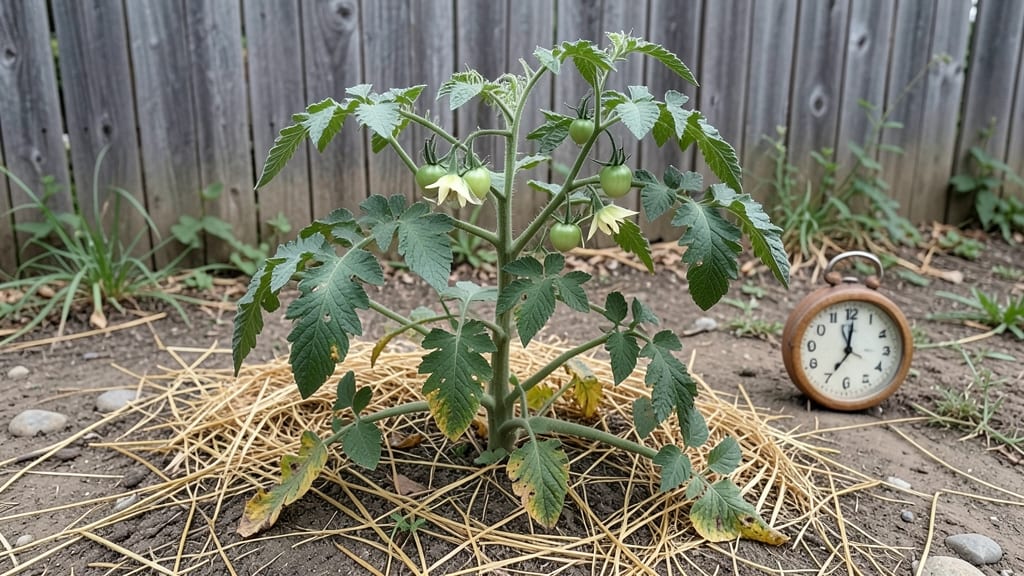
A vegetable garden needs both morning and afternoon sun, with 6-8 hours of direct sunlight daily being ideal for most crops. Morning sun helps prevent moisture evaporation, while afternoon sun is especially important for heat-loving plants like tomatoes and peppers.
A vegetable garden's light needs aren't just about total hours—timing matters just as much. Morning sunlight is gentler, reducing water evaporation from soil and plant leaves, which is why leafy greens like spinach and kale often thrive with more morning exposure.
Afternoon sun, however, delivers the intense heat that fruiting plants like tomatoes and peppers crave for optimal photosynthesis. 🌞 The key is balancing both: morning sun keeps your garden hydrated, while afternoon sun fuels growth and fruiting.
For shade-tolerant crops, you can adjust ratios, but even they benefit from a few hours of direct afternoon light to boost flavor and yield.
💡 In This Article
- How Sunlight Intensity Affects Vegetable Growth Patterns
- Best Sunlight Strategies for Shade-Tolerant vs. Sun-Hungry Vegetables
How sunlight intensity affects vegetable growth patterns
Photosynthesis efficiency peaks when plants receive sunlight at specific intensities and temperatures. Morning sun provides gentler light (500-1,000 foot-candles), which helps prevent water loss through transpiration—a process where plants release moisture through leaf pores.
This is why leafy greens like spinach and lettuce often grow best with more morning exposure, as their delicate leaves can scorch in intense afternoon heat. The cooler morning temperatures (65-75°F) also reduce stress on young seedlings, allowing them to establish stronger root systems before facing midday heat.
Afternoon sun delivers high-intensity light (1,500-2,500 foot-candles), which is crucial for fruiting plants like tomatoes and peppers. These crops rely on the heat (75-95°F) to trigger flowering and fruit set, a process called thermogenesis.
The intense light also boosts chlorophyll production, which is essential for converting sunlight into energy through photosynthesis. However, too much afternoon sun without proper hydration can lead to wilting or sunburn, especially in high-humidity climates where evaporation rates skyrocket.
Here’s what’s actually happening at the cellular level: Chloroplasts in plant leaves contain pigments like chlorophyll that absorb sunlight. Morning light activates photosystem II (PSII), which splits water molecules to release oxygen and electrons—a foundational step in photosynthesis.
Afternoon light, with its higher energy, excites photosystem I (PSI), which drives the production of ATP and NADPH, the energy currencies for growth. The balance between these two systems is why split sunlight works best for most vegetables.
Different crops have evolved to thrive under specific light conditions. Leafy greens like kale and arugula prefer partial shade (3-5 hours of direct sun), often with morning light dominating, as their broad leaves would overheat in full afternoon sun.
In contrast, fruiting plants like eggplants and cucumbers need full sun (6-8 hours), with afternoon light making up at least 40% of their exposure to maximize yield.
Even shade-tolerant crops benefit from a few hours of afternoon sun—it enhances flavor and nutrient density, like the sweeter taste of tomatoes ripened in full light.
Seasonal adjustments matter too. In spring and fall, when the sun sits lower in the sky, morning light is more intense relative to afternoon light. This is why many gardeners rotate crops seasonally—planting heat-lovers in summer when afternoon sun is strongest and shade-tolerant greens in spring or fall.
The angle of sunlight also changes: in summer, afternoon sun hits at a steeper angle, increasing intensity by up to 30% compared to spring. This is why mulching becomes critical in summer to retain moisture during those high-evaporation afternoon hours.
What most people don’t realize is how soil temperature plays a role. Morning sun warms the soil gradually, while afternoon sun can cause rapid temperature spikes. For example, bare soil can reach 120°F+ in full afternoon sun, which can damage roots of heat-sensitive crops like carrots or beets.
This is why mulching with straw or wood chips is a game-changer—it keeps soil temperatures stable and reduces moisture loss by up to 70% during peak afternoon heat.
The science behind this isn’t just about light—it’s about timing, intensity, and plant physiology working in harmony. Morning sun sets the stage for hydration and growth, while afternoon sun fuels the energy needed for flowering and fruiting.
Understanding these patterns lets you tailor your garden layout to maximize both yield and plant health. 🌱