
Pests
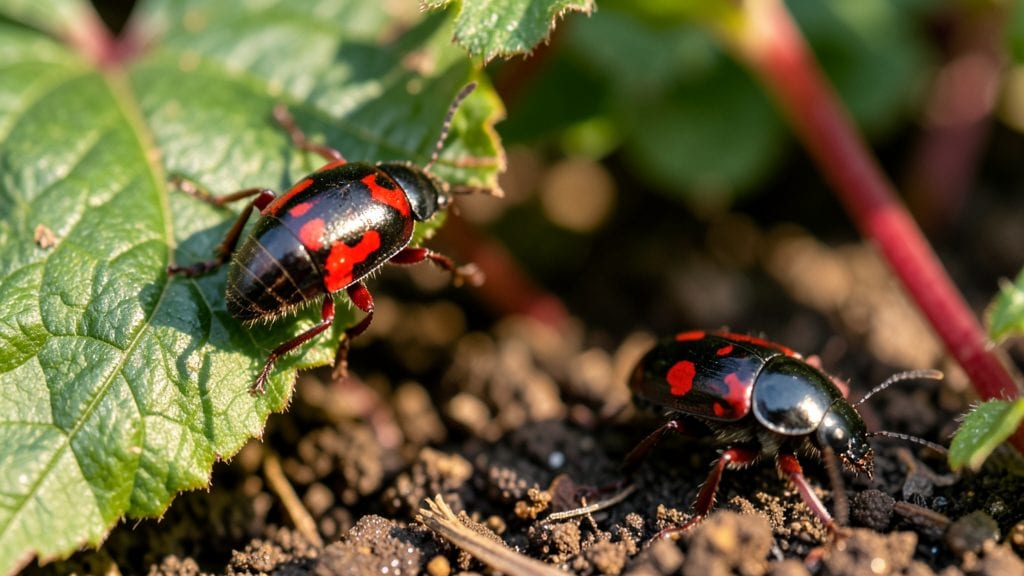
Red and black beetles in your garden aren’t just a nuisance—they’re a sign your ecosystem needs a little balancing act. 🌿 I’ve dealt with my share of these striped intruders, from harmless Asian lady beetles to the occasional fire beetle that leaves chewed leaves in its wake.
The good news? Most aren’t plant killers, but they can become pests when they cluster indoors or strip foliage.
First, identify your visitors: Asian lady beetles (those bright red ones with black spots) are usually harmless, while fire beetles (longer, with orange-red bodies) target plants at night. Ground beetles, with their sleek black-and-red armor, help control pests—so don’t banish them!
The key is monitoring their numbers and acting before they overstay their welcome in your home or garden.
Natural solutions work best: introduce beneficial predators like lacewings or ladybugs, use neem oil for heavy infestations, or simply remove clusters by hand (gloves recommended—those beetles can squirt a sticky yellow fluid when threatened).
For fire beetles, focus on trapping them at night with a light source or sticky barriers around plants.
Prevention starts with healthy soil and plants—thriving gardens attract fewer pests. Keep mulch clear of debris, prune regularly, and avoid overwatering, which draws beetles like a buffet. If you’re dealing with an indoor invasion, seal cracks and use fans to deter them from flying in.
Most importantly, don’t panic—these beetles are part of the garden’s natural rhythm.
Root Causes Of Garden Beetle Infestations
Encountering red and black beetles in your garden isn’t just an eyesore—it’s often a sign of deeper ecological imbalances or environmental cues these pests are responding to. Understanding why they show up helps you address the problem at its source rather than just treating symptoms.
Below, we break down the most common reasons these beetles invade your outdoor space, backed by science and actionable insights.
🌱 Overripe or Decaying Plant Matter
Red and black beetles, particularly species like the Eleodes genus (commonly called stink beetles), are attracted to organic decay. Their diet includes rotting fruits, vegetables, and even compost piles. When your garden has:
- Fallen, overripe produce (think tomatoes, berries, or squash left on the vine too long).
- Mulch or leaf litter that’s piled too thick, creating a moist, anaerobic environment.
- Compost heaps that aren’t turned regularly, leading to fermentation and heat buildup.
These conditions signal a beetle buffet. The beetles aren’t just eating—they’re laying eggs in the decaying matter, ensuring the next generation has a ready food source. Pro tip: 💡 Harvest crops promptly, remove fallen fruit daily, and turn compost piles weekly to disrupt their life cycle.
🌿 Lack of Natural Predators
Beetles thrive when their predators are scarce. In a healthy garden ecosystem, birds, spiders, toads, and even certain insects (like ground beetles) keep beetle populations in check. But if your garden lacks:
- Diverse plantings that attract predator species (e.g., native wildflowers for bees or herbs for beneficial wasps).
- Water sources like shallow birdbaths or damp soil for amphibians.
- Undisturbed habitats like leaf litter or rock piles where predators hide.
The beetles face zero competition for resources. Actionable fix: Introduce predator-friendly plants (e.g., dill, fennel, or marigolds) and create micro-habitats like small brush piles to invite natural allies. 🌡️ Bonus: Avoid broad-spectrum pesticides, which can wipe out both pests and their predators.
🏡 Urbanization and Habitat Loss
Red and black beetles are often opportunistic, meaning they colonize areas where their natural habitats—like forests or meadows—have been replaced by human development. If your garden is near:
- Lawns treated with herbicides (which kill clover and other beetle-resistant plants).
- Impermeable surfaces (like concrete or pavement) that prevent soil aeration.
- Monoculture plantings (e.g., vast rows of corn or single-species gardens).
Beetles see your garden as a new frontier. Solution: Restore biodiversity by planting native perennials, avoiding chemical treatments, and leaving patches of "wild" garden (e.g., untended corners with weeds or grasses). These spaces mimic natural ecosystems and deter beetles from overstaying. ✨
🌧️ Moisture and Temperature Fluctuations
Beetles are highly sensitive to microclimates. Species like the Asian lady beetle (a red-and-black invader) seek shelter in gardens during:
- Hot, dry summers (they hide in cool, shaded areas under mulch or rocks).
- Rainy seasons (excess moisture softens soil, making it easier for larvae to burrow).
- Day-night temperature swings (they emerge at dawn or dusk to avoid extreme heat).
If your garden has poor drainage or thick mulch layers trapping moisture, beetles will linger. Fix it: Improve soil aeration with organic matter (like compost or coconut coir) and consider drip irrigation to avoid overwatering. 🎯 Pro move: Use gravel or wood chips instead of dense mulch in problem areas.
🍄 Fungal or Bacterial Soil Pathogens
Some red and black beetles, like the black vine weevil larvae, are drawn to plants stressed by soil-borne pathogens. Fungi like Phytophthora or bacteria such as Pseudomonas weaken roots, releasing volatile organic compounds (VOCs) that beetles detect from yards away.
Signs your soil is compromised:
- Yellowing leaves despite adequate water.
- Mushrooms sprouting in garden beds.
- Stunted growth in otherwise healthy plants.
Solution: Test your soil’s pH and microbial balance (home kits work!). Amend with beneficial microbes (like mycorrhizal fungi) and rotate crops annually to break pathogen cycles. 🔥 Warning: Avoid chemical fungicides—they can attract more beetles by further disrupting soil health.
How to Treat and Prevent Beetle Infestations
Now that you understand why red and black beetles invade your garden, let’s tackle the problem with practical, humane, and effective solutions. Below, we’ve mapped common causes to their fixes, along with prevention tips to keep your garden beetle-free long-term.
Before acting, confirm whether you’re dealing with Asian lady beetles (harmless but nuisance invaders) or predatory ground beetles (beneficial but sometimes overzealous). A quick inspection with a magnifying glass or a trusted field guide will help you choose the right approach.
1. 👨🍳 Overcrowding or Lack of Food
Fix: Reduce attraction points and provide alternatives. - Remove fallen fruit/vegetables 🍎🍇 – These are beetle buffets.
Pick up overripe produce and store it in sealed containers. - Use row covers 🛡️ – Lightweight fabric can block adult beetles from laying eggs in soil while allowing pollinators through. - Plant beetle-repellent herbs 🌿 – Marigolds, thyme, and mint emit scents that deter many beetle species.
2. 🥘 Moisture-Rich Soil or Mulch
Fix: Adjust soil conditions to make your garden less inviting.
- Improve drainage 💧 – Amend heavy clay soil with compost or sand to prevent waterlogging, which attracts beetle larvae.
- Reduce organic mulch piles 🪓 – While mulch is great for gardens, excessive piles near plants can harbor beetles.
Keep mulch 2-3 inches deep and away from plant stems. - Apply diatomaceous earth (DE) ✨ – Sprinkle food-grade DE lightly around plants (avoid direct contact with beneficial insects). It dehydrates beetles without harming them severely.
3. 🔪 Structural Entry Points (Windows, Doors, Cracks)
Fix: Seal gaps to block beetle entry.
- Install fine mesh screens 🕷️ – On vents, windows, and doors (1mm mesh or smaller stops lady beetles).
- Caulk gaps 🔧 – Seal cracks in siding, foundations, and around utility lines with silicone caulk.
- Use weather stripping 🚪 – On doors and garage entrances to create a tight barrier.
4. ⏰ Seasonal Overwintering Clusters
Fix: Disrupt their hiding spots before winter.
- Vacuum or sweep beetles 🪟 – If they’re congregating indoors, use a shop vac or broom to remove them (release them far from your home).
- Apply outdoor barriers 🏡 – Wrap homes with beetle-proof tape or sticky traps near entry points in late summer/fall.
- Encourage natural predators 🐸 – Birds, spiders, and ground beetles (yes, some are good!) will help control populations.
Install a birdhouse or bat box to attract helpers.
- 🌡️ Monitor temperature swings – Beetles are more active in 70–85°F weather.
Act fast during these periods. - 🎯 Rotate plantings – Avoid planting the same crops year after year, as beetles may target familiar food sources. - ✨ Use neem oil spray 🌿 – A 1% neem oil solution (mixed with water and a drop of dish soap) can deter adult beetles without killing beneficial insects.
Reapply every 7–10 days. - 🚫 Avoid broad-spectrum pesticides – These can harm pollinators and beneficial predators. Opt for targeted solutions instead.
If beetles persist despite your efforts, or if you suspect larger infestations (e.g., thousands of beetles indoors), consider contacting a pest control expert specializing in humane, eco-friendly methods. They can assess your property and recommend integrated pest management (IPM) strategies tailored to your garden.
By combining preventive measures with targeted fixes, you can reclaim your garden from red and black beetles—without resorting to harsh chemicals. Stay vigilant, and your green space will thrive! 🌱🐞
Frequently asked questions
Are red and black beetles harmful to my plants?
Most red and black beetles in gardens aren't plant killers. Asian lady beetles (bright red with black spots) eat aphids and are actually beneficial. However, fire beetles (longer, orange-red bodies) chew leaves at night, and black vine weevil larvae can damage roots. The key is identifying which type you have before deciding whether to intervene.
Why do these beetles suddenly appear indoors?
Red and black beetles often seek shelter indoors during fall when temperatures drop. They're attracted to warm spaces like windows, doors, and cracks in walls. Asian lady beetles also cluster indoors to overwinter, which is why you might see thousands in garages or basements. Seal entry points and use fans near doors to deter them.
What's the best natural way to remove them from my garden?
For light infestations, handpick beetles into soapy water (wear gloves—they can squirt a yellow fluid when threatened!). For larger problems, try neem oil spray or kaolin clay, which disrupts their feeding and mating. Introducing predator-friendly plants like marigolds or dill can also help naturally reduce their numbers over time.
Can I use pesticides to eliminate these beetles?
Chemical pesticides should be a last resort. Many kill beneficial insects too, disrupting your garden's balance. If you must use them, opt for targeted sprays like pyrethrin (derived from chrysanthemums) and apply only when beetles are actively feeding. Always follow label instructions carefully. For most cases, eco-friendly methods work just as well.
How can I tell if beetle damage is serious?
Check for chewed leaves, holes in foliage, or wilting plants—these are red flags. Fire beetles leave ragged edges on leaves, while vine weevil larvae cause stunted growth and root damage. If you see more than 10% damage or plants struggling despite healthy care, it's time to intervene with targeted solutions.