Flowers
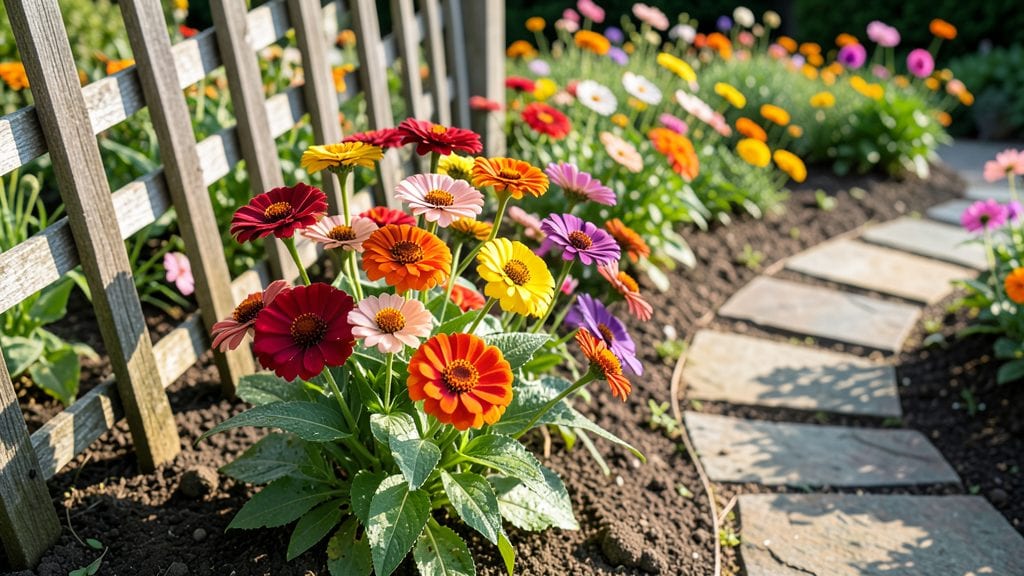
Creating a rainbow garden in compact planters turns any space into a vibrant explosion of color that never fades. 🌈 I started with just three hanging baskets and now my balcony looks like a living watercolor painting—all while using flowers that thrive in small containers.
The secret lies in choosing the right varieties that bloom in sequence, so you always have something popping with color.
You’ll need a mix of annuals like petunias and pansies for instant impact, plus perennials like violas and heucheras for year-round structure. Marigolds and snapdragons add height and texture, while nasturtiums spill over edges like tiny orange waterfalls.
The key is layering colors—think hot pink next to deep purple, or sunny yellow paired with soft lavender—for maximum visual punch.
By mid-summer, your planters will burst with blooms that shift from cool morning tones to fiery afternoon hues. The best part? You’ll attract pollinators like bees and butterflies, turning your rainbow into an ecosystem. Even in winter, evergreen foliage keeps the magic alive with silver, burgundy, and chartreuse accents.
This works for balconies, patios, or even windowsills—just match your planter size to the plant’s growth habit. Start small, then expand as you fall in love with the process. Your garden will become the neighborhood’s most talked-about spot, and you’ll never want to stop experimenting with new color combos.
📚 In This Guide
- What you need
- Instructions
- Tips and common mistakes
- Wrapping up and next steps
What you need
- ● Compact planters or containers: 3–5 medium-sized pots (8–12 inches in diameter) with drainage holes. Opt for lightweight materials like terra cotta, plastic, or fiberglass.
- ● High-quality potting soil: 1–2 bags (1–2 cubic feet each) of well-draining, organic potting mix. Avoid garden soil—it compacts too easily!
- ● Rainbow garden flowers: Seeds or young plants of 5–7 varieties for a full spectrum. Popular choices include: Pansies (purple, yellow, white)
- ● Petunias (pink, red, blue)
- ● Marigolds (orange, gold)
- ● Nasturtiums (red, peach, lime)
- ● Calibrachoa (lavender, blue, white)
- ● Sweet Alyssum (pink, purple, white)
- ● Slow-release fertilizer: 1–2 tablets or granules per pot to nourish plants for 2–3 months.
- ● Watering can or hose with a gentle spray nozzle: For even hydration without disturbing soil.
- ● Garden trowel or small hand shovel: For planting and soil adjustments.
- ○ Gloves (optional): To protect hands from soil and thorns.
- ○ Mulch (optional): 1–2 inches of cocoa hulls, bark, or pebbles to retain moisture and add flair.
- ○ Decorative stones or pebbles (optional): For a polished, cohesive look.
- ○ Plant labels (optional): To track varieties and care needs.
- ○ Sunlight meter or app (optional): To ensure your planters get the right light exposure.
Creating a stunning rainbow garden in compact planters
Here’s how to layer vibrant blooms for continuous color—no sprawling beds required.
🌱 Step 1: Select a Color Sequence and Plant Height Order
Start by arranging flowers from tallest to shortest to avoid shading smaller varieties. I always begin with 3-4 foot stalks like delphinium or snapdragons at the back, followed by 2-foot blooms such as zinnias or cosmos, then 1-foot fillers like pansies or sweet alyssum. This creates a natural waterfall effect that draws the eye upward.
For year-round interest, pair spring bulbs like tulips with summer annuals and autumn mums. I’ve found that combining 3-4 varieties per planter gives the most dynamic display without overcrowding. Sketch a rough layout first—this prevents awkward gaps later.
🪴 Step 2: Choose and Prep Containers with Drainage
Select planters with at least 12-inch depth to accommodate root systems, and ensure they have drainage holes—waterlogged roots kill vibrant blooms faster than anything. I prefer terra cotta for its breathability, but fiberglass works well in humid climates. Line the bottom with 2 inches of gravel to prevent soil compaction and improve drainage.
Fill the bottom third of each container with a lightweight cactus/succulent mix (if using drought-tolerant varieties) or a standard potting mix with perlite for moisture-loving flowers. Avoid garden soil—it compacts and suffocates roots. Moisten the mix until it’s damp but not soggy before planting.
☀️ Step 3: Plant in Staggered Layers for Visual Impact
Dig holes slightly deeper than the root balls to encourage stability, then place each plant so the top of the root ball sits ½ inch below the rim. Space taller varieties 6-8 inches apart, medium-height 4-6 inches, and small fillers 3-4 inches to prevent competition. I always plant in a slight spiral pattern—this creates a natural, organic look.
Fill gaps with additional potting mix, pressing gently to eliminate air pockets. Water immediately after planting to settle the soil and remove any air bubbles around roots. Mulch the surface with 1 inch of decorative stones or bark to retain moisture and suppress weeds—this keeps your rainbow garden looking polished.
💧 Step 4: Water and Fertilize for Continuous Blooms
Water deeply every 2-3 days until the top inch of soil feels dry, adjusting for rain or heat. I use a watering can with a narrow spout to direct moisture to the base—this prevents fungal issues on petals. Fertilize every 4-6 weeks with a balanced 10-10-10 formula during the growing season, and switch to a low-phosphorus feed in late summer to encourage fall blooms.
Deadhead spent flowers regularly to redirect energy into new blooms. I snip stems just above a set of leaves with clean shears—this encourages bushier growth. Watch for signs of stress like yellowing leaves or wilting; these often signal overwatering or nutrient deficiencies. Adjust care immediately to keep your rainbow garden vibrant.
✂️ Step 5: Prune and Refresh for Seasonal Transitions
In early spring, trim back any dead growth and divide congested plants like pansies or violas to rejuvenate them. I also replace any winter casualties with early bloomers like primroses or sweet peas. For autumn, swap out summer annuals for chrysanthemums or ornamental kale—these add texture and color as temperatures drop.
Rotate planters every 2-3 months to even out sun exposure and prevent soil depletion. This simple step keeps your rainbow garden looking fresh without replanting entirely. Store winter-sensitive plants like geraniums or petunias in a cool, bright spot until spring, and replant them in early May for another season of color.
Tips & tricks for perfect rainbow garden flowers
These small details transform your compact planters from ordinary to extraordinary—trust me, they make all the difference.
The Height Factor: When arranging your 3-4 foot delphiniums or snapdragons at the back, press the soil firmly around the base to anchor them. This prevents flopping later, especially in windy conditions. I also recommend tucking a small stake behind each tall variety for extra support—it’s a subtle trick that keeps your rainbow garden looking intentional.
Soil Strategy: The bottom third of your planter isn’t just filler—it’s foundation. For moisture-loving flowers, blend your potting mix with perlite in a 3:1 ratio for perfect drainage. If using drought-tolerant varieties, mix in cactus/succulent mix instead. This layering prevents root rot while keeping your blooms hydrated exactly as needed.
Planting Precision: That ½ inch below the rim placement isn’t arbitrary—it creates the perfect visual balance. When planting your 1-foot fillers like pansies, use a small stick to mark their depth before digging. This ensures consistent spacing and prevents the "hidden plant" effect where smaller blooms get buried by taller varieties.
Seasonal Transition Hack: When rotating planters every 2-3 months, I like to keep a simple log of which varieties performed best in each location. This helps you create a rotation schedule that maximizes sun exposure for each plant’s needs—no more guessing which chrysanthemums need afternoon shade or which tulips thrive in morning light.
Pro Tips for Rainbow Garden Flowers
- These small details transform your compact planters from ordinary to extraordinary—trust me, they make all the difference.
- The Height Factor: When arranging your 3-4 foot delphiniums or snapdragons at the back, press the soil firmly around the base to anchor them.
- Soil Strategy: The bottom third of your planter isn’t just filler—it’s foundation.
Frequently asked questions
Got questions about creating a vibrant rainbow garden in compact planters? You’re not alone!
Here are some of the most common queries—and straightforward answers—to help you design a year-round burst of color with ease.
What are the easiest rainbow flowers to grow in small planters?
Opt for compact, low-maintenance varieties like pansies, petunias, snapdragons, and calibrachoa. These thrive in containers and offer bold colors in shades of purple, pink, orange, and yellow. Herbs like basil (with purple leaves) can also add a pop!
When is the best time to plant rainbow garden flowers in planters?
For spring blooms, plant in early spring (after the last frost). For fall/winter color, choose cold-hardy options like pansies or ornamental kale and plant in late summer. Year-round? Succulents (e.g., echeveria) or seasonal swaps keep things lively!
How often should I water rainbow garden flowers in planters?
Check soil moisture daily in hot weather—containers dry out fast! Water early in the morning to reduce evaporation, and ensure pots have drainage holes. Mulch (like straw) helps retain moisture. Overwatering = root rot, so let the top inch dry between waterings.
Can I mix annuals and perennials in the same planter?
Pair fast-growing annuals (like marigolds) with slow-growing perennials (e.g., lavender or sedum). Annuals provide instant color, while perennials return yearly. Just match their sunlight and water needs—e.g., don’t mix drought-tolerant succulents with thirsty impatiens.
How do I keep pests away from my rainbow garden flowers?
Prevent pests with neem oil spray or companion planting (e.g., marigolds repel aphids). Remove yellowing leaves promptly, and avoid overcrowding. For aphids, blast them off with water. Ladybugs are natural allies—invite them with dill or fennel!
Will rainbow garden flowers survive winter in planters?
Most won’t, but cold-hardy picks like pansies, hellebores, or winter jasmine thrive. Move tender plants to a garage or shed (keep them dry). Insulate pots with bubble wrap or straw, and reduce watering—dormant plants need less. Evergreens add structure year-round!
Wrapping up and next steps
Transforming your space into a vibrant rainbow garden is easier—and more rewarding—than you think! With the right compact planters, sun-loving blooms, and a dash of creativity, you can enjoy year-round color on patios, balconies, or windowsills.
Whether you’re a seasoned gardener or a beginner, these cheerful flowers bring joy, pollinators, and endless possibilities to small spaces.
Ready to bloom? Start small—pick one planter, a few favorite flowers, and let your garden grow! 🌈✨ Next step: Sketch your layout, gather supplies, and watch your rainbow flourish!