
Pests
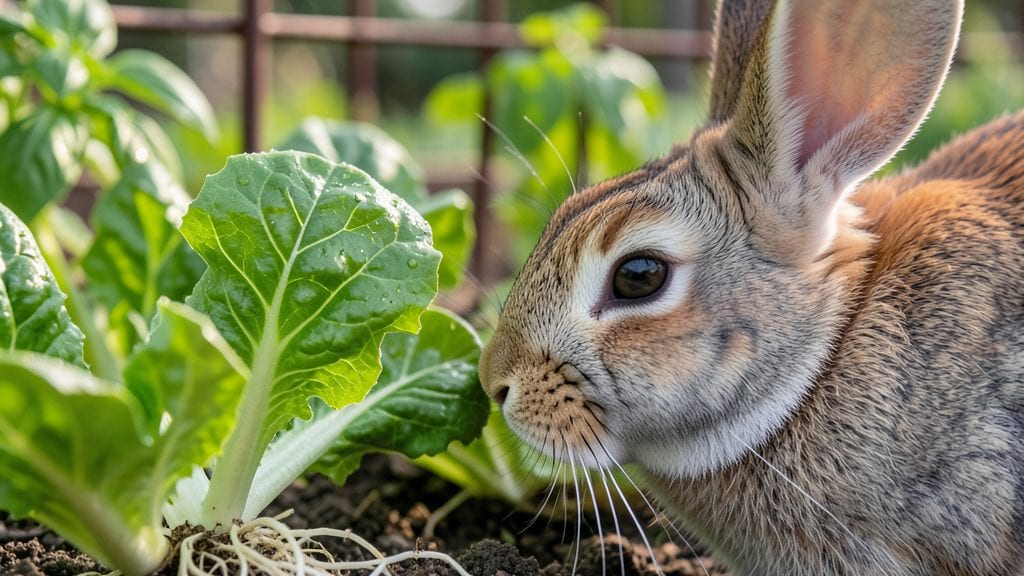
Rabbits in vegetable gardens pose a major threat to young plants by devouring seedlings, gnawing leaves, and even stripping bark from stems, with lettuce, carrots, and herbs being their favorite targets. This relentless feeding not only stunts plant growth but also creates entry points for diseases, demanding swift action with barriers or repellents to safeguard your garden.
Rabbits don't just nibble—they systematically target the most vulnerable parts of your garden, like the tender new shoots of lettuce or the aromatic leaves of herbs. 🌱 Their feeding patterns often start with grazing on low-lying plants before progressing to bark stripping, which can kill young trees and shrubs.
The real damage comes when their activity weakens plants enough to attract other pests, like slugs or beetles, turning a simple rabbit problem into a full-blown garden crisis.
What makes this especially frustrating is how quickly rabbits adapt to common deterrents. A fence that worked last season might fail this year if rabbits find new entry points or learn to jump higher.
That's why I always recommend combining multiple strategies—like planting rabbit-resistant herbs around vulnerable crops and using motion-activated sprinklers—as part of a layered defense system.
💡 In This Article
- How Rabbits Target Vegetable Garden Plants
- Top 4 Fast Rabbit Deterrents for Gardens
How rabbits target vegetable garden plants
Rabbits are selective foragers with a preference for plants that offer both nutritional value and ease of consumption. They prioritize young, tender shoots because these contain higher moisture content and fewer defensive compounds like tannins or silica.
For example, a 3-inch lettuce sprout is far more appealing than mature leaves, which have developed thicker cell walls and bitter flavors. Their sharp, ever-growing incisors make quick work of these delicate stems, often severing them completely at the base. 🔥
The science behind their plant selection involves volatile organic compounds (VOCs) emitted by certain plants. Herbs like cilantro and dill release aromatic oils that rabbits find irresistible, while root vegetables like carrots and beets contain natural sugars that attract them.
What's fascinating is how rabbits use their vibrissae (whiskers) to detect even the slightest movement in plants—like the subtle sway of wind-bent leaves—which signals fresh growth. This sensory precision explains why they often return to the same garden spots night after night.
Their feeding patterns escalate in predictable stages. First comes surface grazing on leaves and stems, which may seem minor but stresses plants by reducing photosynthesis. Next, they progress to bark stripping on young trees or shrubs, removing strips of cambium—the plant's growth layer—like bark from a tree trunk.
This creates girdling wounds that can kill plants within weeks. The final stage involves root disturbance, where rabbits dig up shallow-rooted plants like radishes or potatoes, exposing them to rot and pests.
What most gardeners don't realize is how this damage triggers a cascade effect. When rabbits chew through stems, they create entry points for pathogens like fungal infections or bacterial rot. The plant's natural stress response—releasing sugars to heal wounds—also attracts other pests.
For instance, a rabbit-chewed tomato plant may soon become a magnet for hornworms or aphids, turning a single pest problem into a full-blown infestation. 🌱
Time of day plays a crucial role in their targeting behavior. Rabbits are crepuscular, meaning they're most active at dawn and dusk when temperatures are cooler and predators are less active. This explains why gardeners often find fresh damage at these times—even if they haven't spotted the rabbits themselves.
Their nocturnal patterns also mean they can devastate a garden in just 2-3 hours of focused feeding.
Interestingly, rabbits exhibit learned preferences based on garden layouts. Studies show they quickly identify monoculture plantings (large patches of the same crop) as easy targets, while diverse gardens with interspersed plants confuse their foraging patterns.
This is why many organic farmers use polyculture techniques, mixing vegetables with flowers and herbs to disrupt rabbit behavior. The key is creating an environment where no single plant stands out as an obvious food source. ✨