
Tools
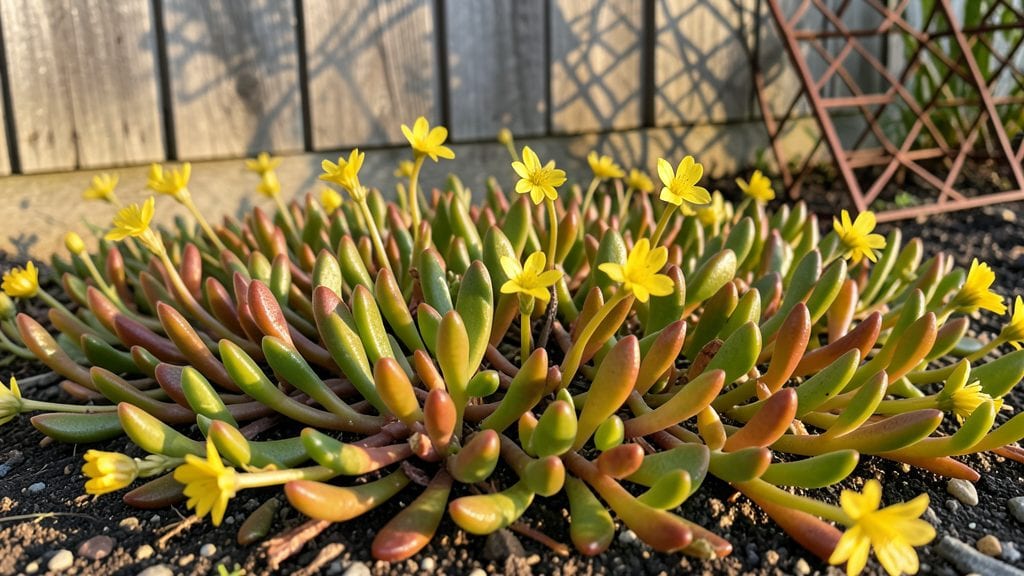
Growing purslane in your garden means harvesting crisp, lemony leaves that taste like a summer salad—right from your windowsill or patio. 🌱 I learned the hard way that this low-maintenance succulent thrives when treated like a weed (because it practically is one), but with a little direction, it becomes a leafy, edible powerhouse.
The secret to happy purslane lies in its drought-tolerant roots and love of heat. Plant it in well-draining soil with just enough water to keep it plump, not soggy. Containers work perfectly—even a 5-gallon bucket gives you a steady harvest—because it spreads fast and needs room to stretch.
Sunlight is non-negotiable; give it at least 6 hours of direct light daily, or it’ll stretch out and get bitter.
By mid-summer, you’ll be snipping tender leaves for salads, tacos, or stir-fries—no pesticides needed. Purslane even deters pests like aphids, so nearby plants benefit too. The only challenge? Keeping it from taking over (which, honestly, might be its best feature if you love free greens).
Works in zones 3-11, from deserts to city balconies. Once you try it, you’ll never buy store-bought greens again—unless you want to, because let’s be real, convenience wins sometimes.
📚 In This Guide
- What you need
- Instructions
- Tips and common mistakes
- Wrapping up and next steps
What you need
- ● Purslane seeds or seedlings: 1 packet (50-100 seeds) or 3-5 healthy seedlings (check for organic or heirloom varieties for best results).
- ● Containers or garden bed: Containers: 5-gallon pots or larger (minimum 12" deep) with drainage holes—3-5 containers for a small harvest.
- ● Garden bed: Well-draining soil in a sunny spot (6+ hours of sunlight daily).
- ● Potting mix: 1 bag of lightweight, well-draining soil (e.g., cactus/succulent mix or regular potting soil amended with perlite/sand).
- ○ Compost or fertilizer: Optional but recommended: 1 cup of balanced organic fertilizer (10-10-10) or compost tea at planting time.
- ● For containers: Slow-release granules (e.g., Osmocote) mixed into the soil.
- ● Gardening tools: Trowel or small hand shovel (for planting/seeding).
- ● Pruning shears or clean scissors (for harvesting).
- ● Spray bottle (for watering seedlings).
- ● Watering can or hose: With a gentle spray nozzle (purslane hates soggy roots!).
- ○ Mulch (optional): Straw or pebbles to retain moisture and deter weeds.
- ○ Support (optional): Small stakes or cages if growing in containers (purslane sprawls!).
- ● Sunlight: Full sun (6+ hours/day) or partial shade in hot climates.
- ● Temperature: Warmth-loving! Ideal range: 70–95°F (21–35°C).
- ● Water: Drought-tolerant once established—water deeply 2–3 times/week (less in containers).
- ● Patience: Seeds germinate in 7–14 days; harvest in 4–6 weeks!
Step-by-step guide for growing purslane in containers
This fast-growing succulent thrives in hot, dry conditions—ideal for container gardening.
🌱 Step 1: Choose the Right Containers and Soil Mix
Select 4-inch deep containers with drainage holes—purslane hates soggy roots. I use terra cotta pots because they wick away excess moisture naturally. Fill each with a well-draining potting mix (avoid heavy garden soil, which causes rot). Mix in 20% perlite to improve aeration—this prevents compacting and mimics purslane’s native sandy soil.
Press the mix lightly to settle, then water until moisture reaches 1 inch deep. Let excess drain completely before planting. The soil should feel crumbly but not dry—think of damp sand at the beach. This ensures roots stay oxygenated while absorbing water efficiently.
🌱 Step 2: Plant Seeds or Transplants Correctly
Sow seeds ¼ inch deep or plant nursery starts with roots spread evenly. Space plants 3-4 inches apart—crowding stresses purslane, leading to leggy growth. I tap the soil surface gently after planting to ensure good seed-to-soil contact, which speeds germination.
Water lightly immediately after planting, but avoid oversaturating. Purslane’s tiny seeds need consistent moisture to sprout, but standing water drowns them. Place containers in bright, indirect light for the first week—direct sun can scorch young leaves before they acclimate.
☀️ Step 3: Provide Optimal Light and Water
Move containers to full sun (6+ hours daily) once seedlings develop 2-3 true leaves. Purslane thrives in heat—its leaves store water like a succulent, so it tolerates dry spells better than most greens. Water deeply every 3-4 days, letting the soil dry 1 inch down between waterings.
Check moisture by sticking your finger in the soil—if it feels dry past your first knuckle, it’s time to water. Overwatering causes yellow leaves, while underwatering makes them pucker. I water in the morning so excess evaporates before evening, preventing fungal issues.
✂️ Step 4: Harvest Leaves for Continuous Growth
Begin harvesting 3-4 weeks after planting, when plants reach 4-6 inches tall. Snip outer leaves with clean scissors, leaving inner growth intact. This encourages bushier plants—purslane regenerates quickly, so you’ll get multiple harvests per season. I pick in the morning when leaves are crispest.
Harvest no more than ⅓ of the plant at once to avoid stress. After each cut, water lightly to support regrowth. Purslane’s tangy flavor peaks when leaves are young and tender—waiting too long makes them bitter. Store harvested leaves in a sealed container in the fridge for up to 5 days.
🌿 Step 5: Maintain Through Summer and Beyond
Fertilize lightly once a month with a balanced, water-soluble fertilizer (diluted to half strength). Purslane needs minimal nutrients—too much causes weak, watery leaves. I use a fish emulsion for organic growth, but even that’s optional.
Watch for pests like aphids, which love tender purslane. Spray with neem oil if you spot sticky residue on leaves. In winter, bring containers indoors near a south-facing window—purslane tolerates cooler temps but grows slower. With proper care, your plants will produce harvests for months.
Tips & tricks for perfect purslane growth in containers
Mastering container gardening for purslane comes down to understanding its unique needs as a succulent leafy green. These insights will help you avoid common pitfalls and maximize your harvest.
Soil Composition Secret: The 20% perlite mix in your well-draining potting soil isn't just about aeration—it's about replicating purslane's native sandy soil conditions. I've found that adding coarse sand (about 10% of the mix) further improves drainage, which prevents the root rot that plagues many container gardeners. Think of it as giving your purslane the perfect beach-like foundation it craves.
Germination Technique That Changed Everything: When sowing those ¼-inch deep seeds, I've discovered a little-known trick: place your containers on a heating mat set to 75°F for the first week. This mimics purslane's warm native habitat and speeds germination from 7-10 days to just 3-5 days. The key is maintaining consistent warmth—purslane seeds are sensitive to temperature fluctuations that can delay sprouting.
Light Transition Strategy: Moving your seedlings to full sun after the first week is critical, but don't rush it. I gradually increase sun exposure over 3-4 days by moving containers to sunnier spots each morning. This hardening process prevents the sunburn that often affects young purslane leaves when they're suddenly exposed to intense light. Start with 2 hours of direct sun on day one, then add 1 hour each subsequent day.
Harvesting Hack for Continuous Yield: The 3-4 week mark for first harvest is a guideline, but I've found that monitoring leaf size is more reliable. Harvest when leaves reach 1-2 inches long—this ensures maximum tenderness and flavor. Use sharp scissors to cut just above a leaf node, which encourages new growth from that point. This method gives me weekly harvests throughout the growing season instead of the occasional large harvest many gardeners experience.
Pro Tips for Purslane In Garden
- Mastering container gardening for purslane comes down to understanding its unique needs as a succulent leafy green.
- Soil Composition Secret: The 20% perlite mix in your well-draining potting soil isn't just about aeration—it's about replicating purslane's native sandy soil conditions.
- Germination Technique That Changed Everything: When sowing those ¼-inch deep seeds, I've discovered a little-known trick: place your containers on a heating mat set to 75°F for the first week.
Frequently asked questions
Got questions about growing purslane in your garden?
Here are answers to the most common ones to help you cultivate this succulent leafy green with ease!
When is the best time to plant purslane in containers?
Purslane thrives in warm weather, so plant seeds or transplants after the last frost when soil temperatures reach at least 60°F (15°C). For container gardening, start indoors 4–6 weeks before the last frost or sow directly in pots once the ground warms up. It’s a fast grower, so timing is key for a continuous harvest!
How often should I water purslane in pots?
Purslane is drought-tolerant, but it still needs consistent moisture—especially in containers where soil dries out faster. Water when the top inch of soil feels dry, aiming for moderate moisture (not soggy). Containers may require daily watering in hot climates, but avoid overwatering to prevent root rot. Pro tip: Use well-draining soil and pots with drainage holes!
What pests or diseases should I watch for with purslane?
Purslane is generally pest-resistant, but watch for aphids, spider mites, or whiteflies in dry conditions. For diseases, powdery mildew can occur in humid climates. Improve airflow, remove affected leaves, and use neem oil if needed. Prevention tip: Healthy soil and balanced watering keep pests at bay!
Can I grow purslane year-round in containers?
Purslane is an annual warm-season crop, so it won’t survive frost. In mild climates, it may regrow from seed in spring, but it’s best treated as a seasonal plant. For year-round harvests, succession plant seeds every 2–3 weeks during the growing season. In colder areas, grow it as a summer treat and save seeds for next year!
What can I substitute if purslane isn’t available?
If you can’t find purslane, try these similar leafy greens for salads or cooking:
- Portulaca oleracea (wild purslane) – A close relative with a similar taste.
- Baby spinach or arugula – Mild and peppery, great for salads.
- Succulent lettuce varieties – Like romaine or butterhead for texture.
- Watercress – A peppery green with a slightly tangy flavor.
For a crunchy, omega-3 boost, purslane’s unique texture is hard to replace—but these options work in a pinch!
Wrapping up and next steps
Growing purslane in your garden is a rewarding way to enjoy a nutrient-packed, low-maintenance crop that thrives in containers! Whether you're drawn to its vibrant leaves, drought tolerance, or culinary versatility, this succulent gem proves that even small spaces can yield big harvests.
With the right setup—like well-draining soil, ample sunlight, and a pinch of patience—you’ll soon be reaping fresh, tangy greens for salads, stir-fries, or garnishes.
Ready to take the next step? Start small—try a single container or a few pots—and experiment with varieties to find what grows best in your climate. Before you know it, you’ll be savoring homegrown purslane like a pro! 🌱✨