Landscaping
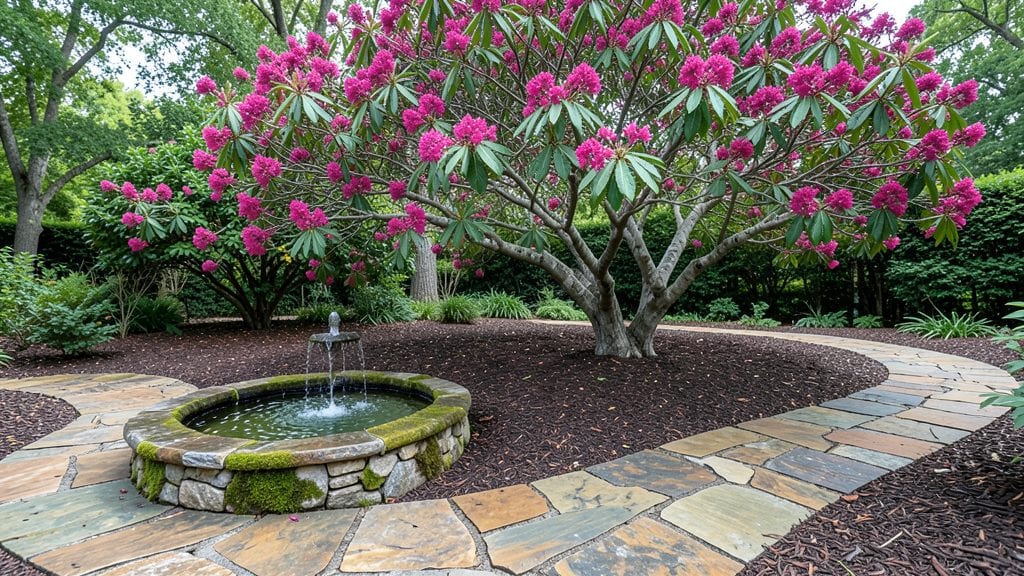
Designing a paradise gardens landscaping retreat starts with a bold vision—imagine stepping into a lush, fragrant world where every corner feels like a vacation. 🌿 I’ve spent years transforming my backyard into a tropical escape, and the secret isn’t just the plants—it’s the way they work together to create that "wow" factor.
The key is balancing bold foliage with subtle textures, adding movement through water or wind, and letting color guide you from sunrise to sunset.
You don’t need a jungle to pull this off—just smart plant choices and a few strategic hardscaping tricks. Start with drought-tolerant tropicals like bird-of-paradise or hibiscus for year-round drama, then layer in fragrant jasmine or gardenias for that intoxicating scent.
A simple stone path or wooden deck adds structure without ruining the wild feel, while a small water feature (even a bubbling urn) brings the sound of a tropical stream. The best part?
Most of these plants thrive in zones 9-11, but even cooler climates can adapt with containers and seasonal swaps.
By the time you’re done, you’ll have a space that feels like a sanctuary—not just a yard. Picture morning coffee surrounded by velvety ferns, evenings lit by glowing orchids, and a breeze carrying the scent of blooming frangipani.
The maintenance stays light if you group plants by water needs and mulch heavily to keep roots cool. This isn’t just landscaping; it’s creating a daily escape. Let’s make it happen—step by step.
Fair warning: once you start, you’ll want to add more. That’s the magic of a paradise garden—it grows with you, season after season. And the best part? Your neighbors will keep asking, "How’d you do that?"—so you’ll get to say, "I’ll show you."
📚 In This Guide
- What you need
- Instructions
- Tips and common mistakes
- Wrapping up and next steps
What you need
- ● Plants: Tropical varieties like palm trees (e.g., Areca, Majesty), hibiscus, bird-of-paradise, ferns, and bromeliads (5–10+ per section, depending on size).
- ● Soil: Well-draining, nutrient-rich mix (e.g., 60% topsoil, 30% compost, 10% perlite/sand). 1–2 cubic yards for a 500 sq. ft. area.
- ● Mulch: Organic mulch (pine bark or coconut coir)—2–3 inches deep, covering 100% of the soil surface.
- ● Water Features: Pond liner (EPDM, 45-mil thick), rocks (basalt or river stones), and a submersible pump (1,200–2,000 GPH).
- ● Hardscaping: Flagstone, decomposed granite, or teak decking (quantities vary; plan for walkways/patios).
- ● Essential: Shovel, pruners, wheelbarrow, rake, level, tape measure, and knee pads.
- ○ Optional (but helpful): Edger, soil tester kit, drip irrigation system (with emitters), and a leaf blower.
- ● Climate Check: Ensure your zone supports tropical plants (USDA Zones 9–11; use cold-hardy varieties or greenhouses for cooler areas).
- ● Permits: Verify local regulations for water features, electrical work, or structural changes.
- ● 💡 Pro Tip: Start small! Test soil moisture and plant placement before full installation to avoid overwatering.
- ● ✨ Bonus: Add solar-powered lights or LED string lights for magical evening ambiance.
Instructions for creating a lush paradise gardens landscaping layout
Transform your outdoor space into a vibrant tropical retreat with these proven design steps.
🌿 Step 1: Map Your Space and Plan Zones
Start by sketching your yard on graph paper, marking existing structures and sun/shade patterns. I divide my design into three zones: the sun-drenched front for bold tropical plants like hibiscus and plumeria, the partial shade mid-section for ferns and calatheas, and the deep shade back corner for hostas and maidenhair ferns. Measure each area and note where utilities run—this prevents costly mistakes later.
Use colored pencils to block out zones: yellow for full sun, green for partial shade, and blue for deep shade. This visual helps you visualize how plants will interact. I always add a 10-foot buffer around the house foundation for drainage and easy maintenance access. Don't forget to include pathways—winding stone trails add tropical charm while keeping foot traffic organized.
☀️ Step 2: Choose Plants for Year-Round Interest
Select plants that offer color, texture, and seasonal blooms to keep your oasis vibrant. For sun areas, I plant bird of paradise (Strelitzia reginae), bougainvillea, and canna lilies—all thrive in 6+ hours of direct sun and bloom from spring to fall. In partial shade, ginger lilies (Hedychium) and elephant ears (Colocasia) provide dramatic foliage, while deep shade plants like fatsia and Japanese painted fern keep the area lush without needing sun.
Layer plants by height: tall specimens like palms go in the back, mid-height bromeliads and gingers fill the middle, and ground covers like frogfruit (Phyla nodiflora) or sweet potato vine spill over edges. I space plants 3-5 feet apart to allow airflow and prevent fungal diseases. Group plants with similar water needs together—this makes irrigation efficient and reduces waste.
🪴 Step 3: Prepare Soil for Tropical Plants
Tropical plants crave well-draining, nutrient-rich soil with a slightly acidic pH (6.0-6.5). Amend native soil with 3 inches of compost and 20% perlite or coarse sand to improve drainage. I test soil moisture by squeezing a handful—it should hold shape but not feel soggy. For heavy clay soil, mix in 2-3 inches of pine bark fines to loosen the texture and mimic the airy forest floors these plants love.
Dig a 12-inch deep hole for each plant, twice as wide as the root ball. Place the plant in, backfill with amended soil, and water deeply to settle everything. Avoid burying the crown—leave it 1 inch above soil level to prevent rot. Mulch with 3 inches of shredded bark to retain moisture, suppress weeds, and regulate soil temperature. Keep mulch 2 inches away from plant stems to avoid moisture buildup that causes rot.
💧 Step 4: Install Irrigation for Low-Maintenance Care
Tropical plants need consistent moisture but hate soggy roots. Install a drip irrigation system with soaker hoses along plant beds. I set emitters to deliver 1-1.5 gallons per hour and run the system 2-3 times weekly for 20-30 minutes per session. Adjust based on rainfall—use a rain gauge to track weekly totals and avoid overwatering.
For larger areas, add a smart controller to automate watering based on weather forecasts. Place irrigation lines 6 inches deep and cover with mulch to protect them from UV damage. Test the system before planting by running it for an hour and checking for even coverage. Adjust emitter flow rates so water spreads 12-18 inches in all directions—this ensures roots get consistent hydration without runoff.
✂️ Step 5: Add Finishing Touches for a Tropical Vibe
Elevate your design with tropical-inspired elements like bamboo fencing, teak benches, or stone lanterns. I use large river rocks to create natural-looking borders around plant beds, while wooden trellises support climbing plants like passionflower or morning glories. Add solar-powered path lights to highlight key features at night—warm white bulbs create a cozy, inviting glow.
Incorporate water features like a small bamboo fountain or koi pond to attract wildlife and add soothing sounds. Plant mosquito-repelling citronella or lemongrass near seating areas for a functional touch. Finally, add tropical-themed decor like palm leaf umbrellas or woven rattan chairs to complete the paradise feel. Step back and admire your work—you’ve just created a year-round tropical escape!
Tips & tricks for perfect paradise gardens landscaping
Creating a tropical oasis isn't just about planting—it's about smart planning that makes maintenance a breeze while keeping your garden vibrant year-round.
Zone Mapping Secret: In Step 1, when sketching your zones, I recommend using a laser measure for accuracy—especially for that 10-foot buffer around foundations. This prevents costly mistakes later when you realize a plant needs more sun than its spot provides. Pro tip: Take photos of your yard at different times of day to track sun movement and adjust your zones accordingly. This visual reference saves hours of guesswork.
Plant Layering Technique: For Step 2, think vertically! I always place my tallest plants like palms in the back, then add mid-height bromeliads, and finally let ground covers spill over edges. This creates natural layers that mimic a tropical forest. When spacing those 3-5 feet apart, use a string line to ensure even spacing—it makes the garden look intentional, not haphazard. And group plants with similar water needs together; this is where your irrigation system's 20-30 minute sessions will shine.
Soil Prep Shortcut: In Step 3, don't have time to mix all that compost and perlite? Buy pre-mixed tropical soil blend from garden centers—it's already got the right pH (6.0-6.5) and drainage properties. For heavy clay soil, I've had great success with a soil aerator rental ($50/day) to break up compaction before adding that 2-3 inches of pine bark fines. And remember: that 12-inch deep hole? Use a post hole digger for consistency—hand digging leads to uneven depths.
Irrigation Troubleshooting: When testing your drip system in Step 4, look for even "donut rings" of moisture 12-18 inches wide. If you see dry spots, adjust emitter flow rates or add more lines. For the 2-3 weekly waterings, I set my smart controller to run at dawn—this prevents evaporation and fungal issues. And that 6-inch deep irrigation line? Bury it with a garden shovel for clean coverage, then cover with mulch to protect from UV damage.
Pro Tips for Paradise Gardens Landscaping
- Creating a tropical oasis isn't just about planting—it's about smart planning that makes maintenance a breeze while keeping your garden vibrant year-round.
- Zone Mapping Secret: In Step 1, when sketching your zones, I recommend using a laser measure for accuracy—especially for that 10-foot buffer around foundations.
- Plant Layering Technique: For Step 2, think vertically!
Frequently asked questions
about creating your own paradise gardens landscaping oasis—because every tropical dream deserves a little extra guidance!What’s the best time of year to plant a tropical paradise garden?
The ideal time depends on your climate! In warmer regions (zones 9-11), plant year-round. For cooler areas, spring after the last frost is best. Pro tip: Start with hardy tropicals like dwarf palm trees or elephant ears to test soil and drainage before adding delicate blooms.
How much does a tropical oasis landscape typically cost?
Costs vary widely—DIY projects start at $500–$2,000 for small plots, while professional designs with hardscaping, irrigation, and exotic plants can reach $10,000+. Prioritize mulch, shade cloth, and drought-resistant plants to cut long-term water bills. Budget hack: Buy tropical plants on sale after summer!
Can tropical plants survive in my climate if I don’t live in a warm zone?
Use containers with wheels for winter moves, invest in greenhouses or cold frames, or choose temperate tropicals like bird-of-paradise or ginger lilies. Pro tip: Group plants with similar needs (e.g., humidity lovers) to create microclimates. →
What’s the biggest mistake people make when designing a tropical garden?
Overlooking drainage and sunlight needs! Tropical plants hate soggy roots—amend soil with sand or gravel. Also, shade-loving plants (e.g., ferns) near palms can compete for light. Troubleshoot: If leaves yellow, check for overwatering or nutrient deficiencies.
How can I add tropical vibes without planting real palms or bananas?
Fake it till you make it! Use artificial foliage (durable silk plants), bamboo fencing, or colorful hammocks. For texture, try smooth river rocks, driftwood, or mosaic tiles. Budget-friendly tip: Paint pots in bold hues or hang paper lanterns for instant jungle energy.
Wrapping up and next steps
Transforming your space into a lush, year-round tropical oasis is entirely within reach—one plant, stone, and design choice at a time! 🌺 By blending native and low-maintenance plants, strategic water features, and thoughtful hardscaping, you’ve got the blueprint for a Paradise Gardens that thrives in every season.
Remember, the key is to start small, stay inspired, and let your garden evolve with you.
Ready to turn your vision into reality? Pick one element—whether it’s a statement tree, a winding pathway, or a tranquil pond—and begin today! Your future self (and your backyard birds 🐦) will thank you.