
Tools
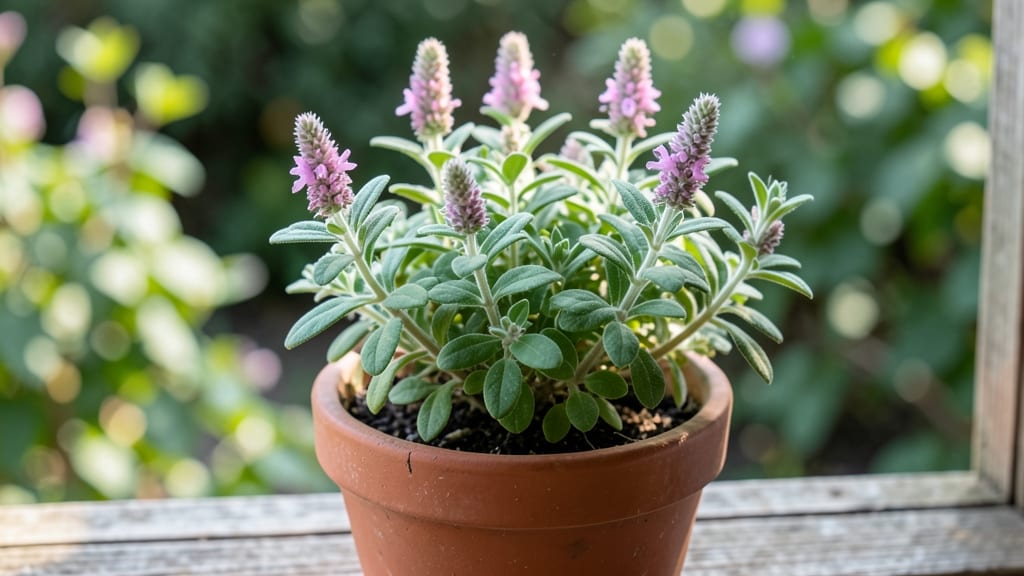
Growing oregano in your garden means having a fragrant, hardy perennial that keeps coming back stronger every year. 🌿 I’ve watched mine spread across my herb bed for five seasons now, and it’s become the most reliable plant in my entire garden—drought-tolerant, pest-resistant, and always ready for the kitchen.
The key to success starts with the right conditions: full sun, well-draining soil, and minimal fuss. Oregano thrives in poor soil and doesn’t need rich amendments—just good drainage to prevent rot.
Plant it in spring or fall when temperatures are mild, and space plants about 12 inches apart to give them room to bush out. Once established, it’s nearly indestructible.
You’ll start harvesting within a few weeks of planting, snipping sprigs whenever you need them. The flavor gets stronger as the plant matures, and the more you cut it back, the bushier it grows.
By summer, you’ll have more than enough for cooking—and you can even dry or freeze extras for winter use.
Bonus: Pair it with thyme, rosemary, or lavender for a fragrant, low-maintenance border. Or let it naturalize in a sunny corner where it’ll spread happily without needing much attention. This is the herb that truly grows itself.
📚 In This Guide
- What you need
- Instructions
- Tips and common mistakes
- Wrapping up and next steps
What you need
- ● Oregano plants: 2–3 healthy nursery-grown oregano plants (or seeds if starting from scratch). Pro tip: Greek oregano is hardier and more flavorful!
- ● Well-draining potting mix: 1–2 bags (1–2 cubic feet each) of organic potting soil with perlite or sand for aeration.
- ○ Containers (optional but recommended): 3–5 6–8-inch pots (for individual plants) with drainage holes.
- ● OR a 12-inch-wide container (for multiple plants, spaced 12 inches apart).
- ● Garden soil (if planting outdoors): Amend with compost (1 part compost to 3 parts soil) for nutrient-rich beds.
- ● Fertilizer: Balanced organic fertilizer (10-10-10 or 5-5-5) or compost tea for a gentle boost.
- ● Pruning shears: Sharp, clean pair for trimming and shaping.
- ● Watering can or hose: With a gentle spray nozzle for even moisture.
- ○ Mulch (optional): Straw or shredded leaves to retain soil moisture and suppress weeds.
- ● Sunlight: A spot with 6–8+ hours of full sun daily (oregano thrives in warmth!).
- ● Climate: Hardy in USDA Zones 5–10; may need winter protection in colder zones.
- ● Watering routine: Keep soil consistently moist but not soggy (drought-tolerant once established!).
- ● Patience: Oregano grows slowly—harvest sparingly the first year to encourage bushiness!
Step-by-step instructions for planting oregano in your garden
Here's how to establish a thriving oregano patch that multiplies yearly with minimal care.
🌱 Step 1: Choose the Perfect Location and Prepare the Soil
Oregano demands full sun—at least 6-8 hours daily—so scout your yard for the sunniest, warmest spot. I always pick a location near a south-facing wall or fence, where reflected heat extends the growing season. The soil should drain quickly; oregano roots rot in soggy conditions. If your garden soil is heavy clay, mix in 2-3 inches of coarse sand or perlite to improve drainage.
Loosen the top 6 inches of soil with a garden fork, breaking up any compacted layers. Oregano prefers slightly alkaline soil with a pH between 6.0-8.0. If your soil tests acidic, sprinkle 1/2 cup of agricultural lime per square foot and work it into the topsoil. This step ensures strong root development and prevents yellowing leaves later.
🌿 Step 2: Plant Oregano at the Right Time and Spacing
Plant oregano in early spring, after the last frost when soil temperatures reach 60°F or warmer. This gives roots time to establish before summer heat. Space plants 12-18 inches apart in all directions—they'll spread aggressively and form dense mats. Dig holes just deep enough to cover the root ball completely, then firm the soil gently around the base.
Water thoroughly right after planting to eliminate air pockets, but resist the urge to keep the soil wet. Oregano is drought-tolerant once established, and overwatering at this stage invites root rot. You'll know it's settled when the soil surface looks slightly firm but not crusty. Mulch with 1 inch of straw or wood chips to retain moisture and suppress weeds.
☀️ Step 3: Maintain Through the Growing Season
Oregano thrives with minimal care once planted. Water only when the top 2 inches of soil feel dry to the touch—typically once every 1-2 weeks in summer, less in cooler months. I never water on a schedule; I check the soil first. Overwatering is the #1 killer of oregano plants, causing leaf drop and stem rot.
Fertilize lightly in early spring with a balanced 10-10-10 fertilizer at half strength. Too much nitrogen produces lush foliage but weak flavor. Prune back one-third of the plant after flowering to encourage bushier growth. You'll see new shoots emerge within 2-3 weeks—that's your signal the plant is happy.
✂️ Step 4: Harvest and Overwinter for Next Year
Harvest oregano anytime after the plant reaches 6-8 inches tall. Snip stems just above a set of leaves to encourage branching. The best flavor comes from leaves before flowering, so harvest frequently to keep the plant producing. Dry bundles upside down in a dark, airy space for 1-2 weeks or freeze fresh leaves in ice cube trays for later use.
Oregano is hardy to Zone 5 and survives winter with 3-4 inches of mulch over the crown. In colder zones, cut back stems to 2 inches tall before the first frost. The roots will regrow in spring, and you'll have a head start on next year's harvest. This is the moment that matters: a well-established patch multiplies yearly with almost no effort.
Tips & tricks for perfect oregano growth
A few simple strategies will help you grow oregano that thrives for years with minimal effort.
The Sunlight Secret: That 6-8 hours of full sun is non-negotiable for oregano. I always check sunlight patterns for at least a week before planting—morning sun with afternoon shade often tricks people into thinking it's sunny enough. Oregano needs the intense midday rays to develop its signature flavor. If your yard has limited sun, consider a container near a south-facing window where it can get 4-5 hours of direct light instead.
Soil Prep That Makes All the Difference: When you're loosening that 6 inches of soil in Step 1, don't just break up the surface—dig down deep enough to create proper drainage channels. I've seen oregano plants fail within weeks because the roots couldn't escape soggy soil. If you're working with clay soil, mix in that 2-3 inches of sand or perlite right through the entire 6-inch depth, not just on top. This creates air pockets that prevent root rot, which is oregano's biggest enemy.
Planting Timing That Saves You Headaches: Waiting for soil to reach 60°F in early spring is crucial—any colder and the roots won't establish properly. I always test soil temperature with a simple thermometer (they're cheap!) rather than guessing. Pro tip: If you're in a cooler climate, start your oregano indoors in pots 4-6 weeks before your last frost date, then transplant after the soil warms up. This gives you a head start on the growing season.
Watering Wisdom: The "check the top 2 inches of soil" rule is perfect, but here's what nobody tells you—oregano's leaves actually wilt slightly when it's truly thirsty. Most people water at the first sign of drooping, but wait until the leaves look crispy before watering again. This teaches the plant to develop deep roots that seek moisture, making it much more drought-resistant once established. Just be sure to water deeply each time to encourage those roots to grow downward.
Pro Tips for Oregano In Garden
- A few simple strategies will help you grow oregano that thrives for years with minimal effort.
- The Sunlight Secret: That 6-8 hours of full sun is non-negotiable for oregano.
- Soil Prep That Makes All the Difference: When you're loosening that 6 inches of soil in Step 1, don't just break up the surface—dig down deep enough to create proper drainage channels.
Frequently asked questions
Got questions about growing oregano in your garden?
Here are some of the most common ones—plus clear, no-fuss answers to help you cultivate this fragrant perennial like a pro.
When is the best time to plant oregano?
Plant oregano in early spring (after the last frost) or late summer for the best results. This gives the plant time to establish roots before winter. If you’re in a mild climate (zones 7-10), you can plant year-round—just avoid extreme heat or cold. Pro tip: Start seeds indoors 6-8 weeks before the last frost for an earlier harvest!
How long does it take for oregano to grow and produce leaves?
Oregano is a slow starter but worth the wait! You’ll see sparse growth in 4-6 weeks and harvestable leaves in 8-12 weeks from seed. Established plants (from cuttings or nursery starts) may produce leaves in just 4-6 weeks. Be patient—it’s a hardy perennial that rewards long-term care.
Can oregano survive winter in cold climates?
Yes! Oregano is hardy to USDA zones 5-10, meaning it can tolerate light frosts. In colder zones (below 5), mulch heavily with straw or leaves to protect roots. If you’re in zone 4 or colder, grow oregano in containers and move it indoors during winter. It’ll bounce back in spring!
How do I harvest oregano without killing the plant?
Harvest oregano by snipping stems with scissors (never pull leaves!) to encourage bushier growth. Focus on outer stems first and avoid cutting more than 1/3 of the plant at a time. For the best flavor, harvest just before flowering. Pro tip: Hang bundles upside down to dry—it preserves flavor and makes storage easy!
What can I do if my oregano turns yellow or looks sickly?
Yellow leaves often signal overwatering (oregano hates soggy soil!) or nutrient deficiency. Let soil dry between waterings and amend with compost. Pests like aphids or spider mites can also stress plants—spray with neem oil or introduce ladybugs for natural control. If leaves curl, it may need more sun (6+ hours daily).
Can I grow oregano indoors?
Oregano thrives in bright windowsills or under grow lights (12+ hours/day). Use a well-draining pot with a mix of potting soil and perlite. Keep it in a sunny spot and water sparingly—indoor oregano is low-maintenance but may grow slower than outdoor plants. Bonus: Prune regularly to keep it compact!
Wrapping up and next steps
Growing oregano in your garden is a rewarding experience—this hardy perennial brings flavor, fragrance, and low-maintenance beauty to your space year after year.
Whether you’re a seasoned gardener or just starting, its resilience and versatility make it a must-have herb. Now that you’re armed with tips and answers, why not take the next step?
- 🌱 Start small: Plant a few oregano sprigs in a sunny spot and watch them thrive!
- 📝 Share your progress: Snap photos or jot down notes—gardening is a journey, and every expert was once a beginner!
- 🌿 Expand your herb garden: Try pairing oregano with other perennials like thyme or rosemary for a fragrant, functional border.
Your garden—and your meals—will thank you! Happy growing! 🌿✨