
Tools
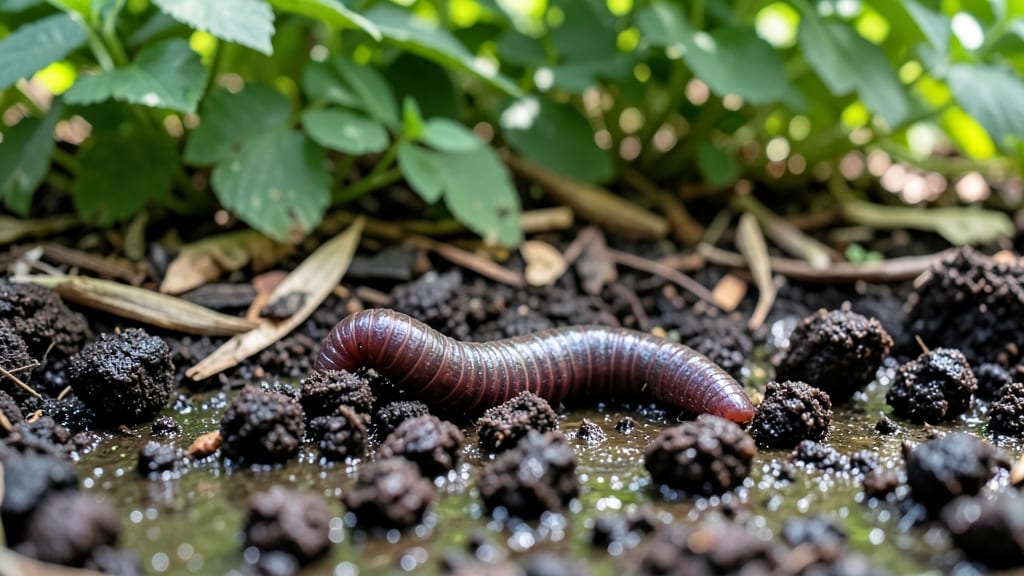
Nightcrawlers in your garden aren’t pests—they’re tiny soil engineers turning your dirt into black gold. 🌱 I used to shoo them away until I learned they aerate soil, break down organic matter, and create tunnels that improve drainage. The key is working with them, not against them.
Most gardeners don’t realize nightcrawlers thrive in moist, organic-rich soil—exactly what you want for planting. If you’re seeing too many on the surface, it’s usually a sign of overwatering or compacted soil.
A simple fix: spread a 2-inch layer of straw or leaves to encourage them to burrow deeper where they belong.
For a foolproof way to harness their power, create a worm-friendly zone with compost, mulch, and proper drainage. Within a few weeks, you’ll notice richer soil, fewer weeds, and plants that grow like they’re on steroids. The worms do all the heavy lifting while you enjoy the benefits.
If they’re truly unwanted (like in lawns or flower beds), organic methods like coffee grounds or diatomaceous earth can gently discourage them—without harming the soil ecosystem. The goal? Balance, not eradication. Let’s turn those nightcrawlers into your garden’s secret weapon.
The Hidden Triggers Behind Worm Surges
Nightcrawlers—or earthworms—don’t just appear in your garden by chance. Their sudden presence (or overabundance) is usually a response to specific environmental cues. Understanding these triggers can help you encourage their activity or manage their population effectively. Here’s why your garden might be becoming a worm hotspot.
Earthworms thrive in soil that mimics their natural habitat—moist, aerated, and rich in organic matter. If your garden suddenly becomes their favorite spot, it’s likely because:
- Moisture levels are just right:
Nightcrawlers need 50-60% soil moisture to survive. Too dry? They burrow deeper. Too soggy? They suffocate. If your garden retains moisture well—thanks to mulch, recent rain, or irrigation—it signals worms: "This is a safe, hydrated home!"
- Pro tip: 🌡️ Use a soil moisture meter to check levels. Aim for dampness like a wrung-out sponge.
- Loose, aerated soil:
Compacted soil blocks worm movement. If you’ve recently tilled, added compost, or reduced foot traffic, worms sense the improved airflow and space to tunnel.
- Pro tip: ✨ Test soil compaction by pushing a screwdriver in—if it resists, worms will avoid it.
- Abundant organic matter:
Worms eat their weight daily in decomposing leaves, grass clippings, or kitchen scraps. If you’ve been amending your soil with compost, manure, or leaf litter, you’ve essentially rolled out the red carpet for them.
- Pro tip: 🍂 Avoid overloading with fresh manure (it’s too "hot" for worms)—opt for well-aged compost instead.
Earthworms are cold-blooded and highly sensitive to temperature and humidity. Sudden changes in weather can trigger a worm migration or population boom:
| Weather Factor | Why Worms Move In | Actionable Fix |
|---|---|---|
| 🌦️ Mild, consistent rain | Worms surface after rain to replenish mucous coatings (which dry out) and mate. Prolonged dampness keeps them active. | ✅ Mulch to retain moisture; avoid waterlogging. |
| 🔥 Moderate temperatures (50–77°F) | Worms slow down below 40°F and die above 85°F. Ideal temps = worm party time. | ❄️ Shade plants in hot climates; use row covers in winter. |
| 🌀 Wind and erosion | Strong winds dry topsoil, forcing worms deeper—but if your garden has undisturbed, wind-protected zones, they’ll cluster there. | 🌿 Windbreaks (like hedges) or straw mulch help retain moisture. |
Not all worm activity is natural—some is a direct result of your gardening habits. Here’s how you might be unintentionally inviting a worm invasion:
- Over-tilling or disturbing soil:
While tilling aerates soil, it can disrupt worm castings (their nutrient-rich poop) and force them to relocate. If you’ve recently rototilled or dug up beds, worms may be regrouping in undisturbed areas—like your garden.
- Pro tip: 🔥 Use a broadfork instead of tilling to loosen soil without harming worms.
- Using chemical pesticides or fertilizers:
Worms are sensitive to synthetic chemicals. If you’ve switched to organic amendments or stopped using herbicides, your soil is now worm-friendly.
- Pro tip: 🎯 Test soil for chemical residues before assuming worms are "new."
- Planting worm magnets:
Certain plants attract worms naturally because they improve soil structure or provide food. Examples:
- 🌿 Cover crops (clover, alfalfa) add nitrogen, luring worms.
- 🍅 Tomatoes and beans have deep roots that create worm-friendly tunnels.
- 🍂 Leafy greens (like lettuce) leave behind organic matter as they decompose.
If worms suddenly appear in your garden in large numbers, they might be escaping threats from elsewhere. Common predators include:
- Birds (robins, blackbirds): These birds dig for worms in lawns or disturbed soil. If your garden is undisturbed or has thick mulch, worms may migrate there to avoid becoming a snack.
- Moles or shrews: These burrowing mammals eat worms voraciously. If you’ve noticed new molehills or tunnels nearby, worms are likely fleeing the area.
- Frogs or toads: They hunt worms at night. A sudden worm surge in your garden could mean they’re relocating to a safer, frog-free zone.
Pro tip: 🔍 If you suspect predators, set up a simple pitfall trap (a shallow container with water) to monitor activity—fewer worms caught = predators may be the issue.
Fixing Worm Overpopulation Issues
If your garden is suddenly crawling with nightcrawlers—or you’re worried about their numbers getting out of hand—don’t panic! While these earthworms are typically a gardener’s best friend, their sudden surge can signal an imbalance in your soil or ecosystem.
Below, we’ve mapped out practical solutions tailored to the most common causes of worm overpopulation, along with prevention tips to keep your garden thriving without the chaos.
If your soil is overly moist, rich in organic matter, or lacks proper aeration, nightcrawlers may multiply rapidly. Here’s how to restore balance:
💧 Reduce Excess Moisture
- Cause: Waterlogged soil traps worms, encouraging breeding.
- Fix:
- Improve drainage by amending soil with coarse sand, perlite, or composted bark.
- Avoid overwatering—stick to 1 inch of water per week (including rainfall).
- Plant deep-rooted crops (like comfrey or dandelions) to help break up compacted soil.
🌱 Balance Organic Matter
- Cause: A sudden influx of kitchen scraps or fresh manure can trigger a worm boom.
- Fix:
- Spread out compost additions gradually (e.g., a thin layer weekly).
- Mix in aged compost or leaf mold to stabilize nitrogen levels.
- Avoid meaty or dairy scraps, which attract pests and disrupt soil pH.
🔥 Encourage Natural Predators
- Cause: Lack of predators (like birds, toads, or moles) lets worm populations explode.
- Fix:
- Install a bird feeder or bath to attract worm-eating birds (robins, thrushes).
- Create toad-friendly habitats with shallow water dishes and mulch piles.
- Plant native wildflowers to support beneficial insect populations.
If nightcrawlers are surfacing or leaving your garden for pastures new, they’re likely seeking better conditions. Stop the exodus with these fixes:
🌡️ Adjust Soil Temperature
- Cause: Worms surface when soil is too hot or cold.
- Fix:
- Mulch heavily with straw or wood chips (3–4 inches) to insulate soil.
- Avoid tilling in peak summer heat—wait for cooler mornings.
- In cold climates, add compost or leaf litter as a protective layer.
🌿 Optimize Soil pH
- Cause: Extreme pH (too acidic or alkaline) stresses worms, making them relocate.
- Fix:
- Test your soil’s pH with a home kit or lab test (ideal range: 6.0–7.0).
- Lower pH with elemental sulfur (for alkaline soil) or raise it with lime (for acidic soil).
- Add worm castings to buffer pH naturally over time.
🔄 Relocate Excess Worms (Ethically!)
- Cause: You simply have too many worms for your garden’s size.
- Fix:
- Harvest and redistribute: Use a bucket and flashlight at night to gently scoop worms, then scatter them in lawns, flower beds, or compost piles elsewhere.
- Create a worm hotel: Bury a mesh-walled container filled with damp leaves and compost in a shady spot to let worms self-regulate.
- Donate to fishermen: Local bait shops often pay for nightcrawlers—just collect them humanely after rain.
Keep your worm population happy and contained with these easy habits:
- 💡 Rotate crops to prevent soil depletion, which can stress worms.
- ✨ Avoid synthetic fertilizers—stick to compost, manure tea, or worm castings.
- 🌱 Plant deep-rooted cover crops (like clover or rye) to improve soil structure year-round.
- 🔥 Monitor moisture levels with a soil moisture meter to avoid soggy conditions.
- 🎯 Set up worm barriers (like cardboard or hardware cloth) if worms are invading nearby lawns or patios.
With these solutions, your garden will stay a worm-friendly paradise without the unwanted surprises. Happy digging! 🌱
Frequently asked questions
Are nightcrawlers actually good for my garden?
These earthworms are nature’s plow—breaking down organic matter, aerating soil, and creating nutrient-rich castings. Their tunnels improve drainage and root growth, while their feeding activity boosts microbial activity. Think of them as free composters working 24/7.
Why are they suddenly appearing on my soil surface?
Surface worms usually mean your soil is either too moist (they’re drowning) or too dry (they’re seeking hydration). Heavy rain or overwatering forces them up, while drought conditions can also trigger this behavior. Check moisture levels—ideal soil should feel like a damp sponge.
How do I encourage more worms in my garden?
Create a worm paradise by adding 2-3 inches of compost, using mulch (straw or leaves), and avoiding synthetic chemicals. Plant deep-rooted crops like comfrey or dandelions—their roots create perfect worm tunnels. A shady, moist spot with plenty of organic debris will attract them fast.
Are there any natural ways to reduce worm numbers if I have too many?
Yes! Encourage natural predators by installing a birdbath or creating toad habitats. For immediate relief, spread coffee grounds (they dislike the acidity) or use diatomaceous earth (food-grade only). Never use chemical pesticides—they’ll kill beneficial soil life too.
Can I use nightcrawlers as fishing bait if I find them in my garden?
Nightcrawlers are prized fishing bait. Collect them after rain when they surface, or create a simple trap using a bucket with damp newspaper. Just be mindful—remove only what you need to maintain your garden’s soil health. Local bait shops often pay cash for them too!