Advice
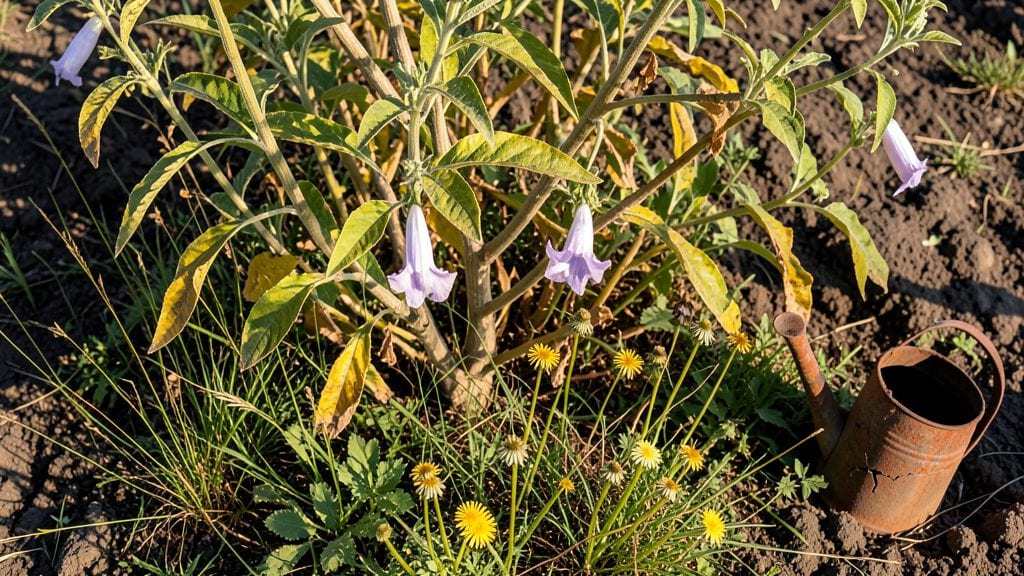
I’ve killed more plants than I’d like to admit—and I’m betting you have too. 🌱 Bad gardening habits sneak up on even the most enthusiastic gardeners, turning lush growth into sad, wilted messes. The good news? Most plant-killing mistakes have simple fixes once you know what they are.
Overwatering, ignoring soil quality, and skipping pest checks top the list of silent killers. I’ve learned the hard way that plants need less water than most people think, that soil isn’t just "dirt," and that a single aphid colony can wipe out a whole bed if left unchecked.
These habits aren’t just beginner traps—they trip up seasoned gardeners too.
By the end of this, you’ll spot the warning signs early—yellowing leaves, stunted growth, or powdery residue—and know exactly how to reverse them. No more guessing games. Just healthy plants that thrive instead of struggle. Let’s turn those mistakes into wins.
We’ll cover the seven most common pitfalls, why they happen, and the quick fixes that work—whether you’re dealing with a soggy soil problem or a mystery pest invasion. Your garden’s survival depends on it.
📚 In This Guide
- What you need
- Instructions
- Tips and common mistakes
- Wrapping up and next steps
What you need
- ● Hand trowel – A sturdy, ergonomic one (5-7 inches) for digging and transplanting.
- ● Pruning shears – Bypass type (8-inch blades) for clean cuts.
- ● Garden gloves – Durable, breathable (nitrile-coated for grip).
- ● Watering can – 5-gallon capacity with a rose attachment for gentle watering.
- ● pH test kit – Digital or liquid test strips to check soil acidity.
- ● Compost or organic fertilizer – Balanced NPK (10-10-10) or worm castings for slow-release nutrients.
- ● Mulch – 2-3 inches of shredded bark or straw to retain moisture.
- ● Magnifying glass – For spotting pests or disease up close.
- ● Moisture meter – Ensures soil isn’t over- or under-watered.
- ● Plant support stakes – Bamboo or metal (6-12 inches tall) for tall plants.
- ○ Drip irrigation kit – Optional but game-changing for consistent watering.
- ● Journal/notebook – Track plant progress, watering, and fixes!
Common gardening mistakes that harm your plants (and how to fix them)
Here's the truth about habits that silently sabotage your garden—and how to reverse the damage.
🌱 Mistake 1: Overwatering (The Silent Root Killer)
You're not helping your plants by drowning them. Most gardeners overwater because they assume "more is better," but plants need air in the soil just as much as water. When roots sit in soggy conditions, they suffocate and rot. I've seen entire seedlings collapse overnight from overwatering—it's heartbreaking.
Instead, check soil moisture by sticking your finger 1 inch deep. If it feels dry, water deeply until it runs out the drainage holes. If it's still damp, wait another day. A good rule: water in the morning so excess moisture evaporates during the day. You'll see healthier roots and fewer wilting leaves within a week.
☀️ Mistake 2: Ignoring Light Requirements (The Leggy Plant Trap)
Plants don't just "need light"—they need the right amount. Too little causes them to stretch pathetically toward any available light, creating weak stems that snap easily. I've had readers send pictures of 6-inch-tall basil plants that looked like they'd been stretched on a rack. That's not growth—that's desperation.
Research your plants' needs before buying them. Most vegetables and herbs need 6+ hours of direct sun, while shade plants like ferns thrive in 4 hours or less. If your plants are leaning, rotate them weekly so they grow straight. For indoor plants, move them within 4 inches of a south-facing window—or invest in a grow light.
💧 Mistake 3: Using Garden Soil in Containers (The Compacted Root Nightmare)
This is a classic rookie mistake. Garden soil compacts in containers, blocking drainage and suffocating roots. I've seen potted plants die within weeks because their roots couldn't breathe. The problem? Garden soil contains clay and organic matter that breaks down, creating a brick-like mass.
Always use sterile potting mix in containers. It's designed to stay loose and drain properly. If you must use garden soil, amend it with 20% perlite or vermiculite to improve aeration. You'll notice a difference immediately—plants in proper potting mix grow faster and stay healthier because their roots can access both water and oxygen.
✂️ Mistake 4: Skipping Deadheading (The Energy Drain)
Deadheading isn't just for pretty flowers—it's essential for plant health. When you leave spent blooms on flowering plants, they redirect energy into seed production instead of growing more flowers. I've had readers complain their petunias "stopped blooming" after months of growth—turns out, they'd never deadheaded.
Pinch or cut off dead flowers just above a set of leaves. For herbs like basil, trim the entire stem down to 2-3 inches to encourage bushier growth. You'll see a surge in new blooms or foliage within 2-3 weeks. And here's a pro tip: deadhead early in the morning when plants are hydrated—it reduces stress on the plant.
🪴 Mistake 5: Transplanting at the Wrong Time (The Shock Factor)
Transplanting is stressful for plants, and doing it at the wrong time can be fatal. Many gardeners move plants too early in spring when roots are still dormant, or too late when heat stress sets in. I've seen delicate seedlings wilt and die within days of being moved to the garden because their roots couldn't adapt quickly enough.
Wait until nighttime temperatures stay above 50°F for most plants, or check your local frost dates. For container plants, water them 24 hours before transplanting so roots are hydrated. Remove the plant from its pot, loosen the root ball gently, and place it in the hole at the same depth it was growing before. Water deeply immediately after transplanting to help roots establish.
⏰ Mistake 6: Fertilizing Too Early or Too Late (The Burn Risk)
Fertilizer isn't a magic fix—it's a tool that can burn your plants if used incorrectly. Many gardeners fertilize new seedlings or plants under stress, which causes fertilizer burn that damages roots and leaves. I've seen entire rows of vegetables collapse because someone dumped fertilizer on them before they were established.
Wait until plants show new growth before fertilizing. For seedlings, wait 4-6 weeks before applying any fertilizer. If you're using granular fertilizer, spread it 2-3 inches away from the plant base and water it in thoroughly. You'll know you're doing it right when plants grow steadily without brown leaf tips or stunted growth.
🌿 Mistake 7: Neglecting Soil Health (The Foundation Problem)
Healthy soil is the backbone of a thriving garden. Many gardeners focus on plants but ignore the soil they grow in. Compacted, nutrient-poor soil leads to weak plants that can't fight off pests or diseases. I've seen gardens where nothing would grow because the soil was essentially dead—no worms, no microbial activity, just hard, lifeless dirt.
Improve your soil by adding 2-3 inches of compost annually. For existing gardens, till in compost in the fall or early spring. You'll see better water drainage, more earthworms, and plants that grow stronger because their roots have access to nutrients. A simple test: squeeze a handful of soil. If it crumbles easily, it's healthy. If it forms a hard clump, it needs more organic matter.
Tips & tricks for healthy plant growth
These simple fixes will help you rescue struggling plants and create a thriving garden.
Soil Moisture Test: The finger test is your best friend—stick your finger 1 inch deep into the soil. If it feels dry, water thoroughly until it drains from the bottom. If it's still damp, wait another day. Overwatering is just as damaging as underwatering, and you'll know you're doing it right when you see fewer wilting leaves and stronger stems.
Light Rotation Strategy: If your plants are stretching toward the light (that "leggy" look), rotate them quarter-turn every 3-4 days. This ensures even growth and prevents weak stems. For indoor plants, place them within 4 inches of a south-facing window—or invest in a grow light if natural light is limited. Most vegetables need 6+ hours of direct sun daily.
Transplanting Timing: Never transplant when nighttime temperatures dip below 50°F. Wait until your local frost dates have passed and roots are actively growing. Water container plants 24 hours before transplanting to ensure roots are hydrated and less stressed during the move. Handle the root ball gently to avoid breaking delicate roots.
Soil Health Check: Healthy soil is the foundation of strong plants. Before planting, squeeze a handful of soil—if it crumbles easily, it's ready. If it forms a hard clump, amend with 2-3 inches of compost annually. For containers, always use sterile potting mix to prevent compaction and improve drainage. You'll notice plants grow faster and stay healthier because their roots can access both water and oxygen.
Pro Tips for Bad Gardening Habits
- These simple fixes will help you rescue struggling plants and create a thriving garden.
- Soil Moisture Test: The finger test is your best friend—stick your finger 1 inch deep into the soil.
- Light Rotation Strategy: If your plants are stretching toward the light (that "leggy" look), rotate them quarter-turn every 3-4 days.
Frequently asked questions
Got questions about those sneaky gardening mistakes?
You’re not alone—even green thumbs make them! Here are answers to the most common concerns, so you can turn things around before your plants throw in the trowel.
Why do my plants look wilted even when I water them regularly?
Overwatering or poor drainage is often the culprit. Fix it: Let the top inch of soil dry out between waterings, and check if your pots have drainage holes. If not, repot into containers with holes or add perlite to improve airflow. Pro tip: Yellow leaves = overwatering; crispy edges = underwatering.
Can I fix over-fertilizing if I notice it too late?
Yes! If your plants show burnt leaves or stunted growth, flush the soil with water to rinse out excess salts. Reduce fertilizer strength by half for 4–6 weeks, and switch to organic options like compost tea for gentler nutrients. Prevent it: Always follow package instructions—more isn’t better!
Is it too late to save my plants if I’ve been neglecting them?
Not always! Start by pruning dead or diseased foliage, adjusting watering habits, and moving plants to better light. Herbs and succulents are resilient—give them a chance. For struggling perennials, divide them in spring to refresh growth. Key: Act fast, but don’t rush—plants heal gradually.
Why do mushrooms keep growing in my garden soil?
Mushrooms thrive in moist, organic-rich soil with poor airflow—often a sign of over-mulching or compacted soil. Fix it: Reduce mulch depth (2–3 inches max), aerate the soil, and improve drainage. Avoid tilling, as it can spread fungal spores. Bonus: They’re harmless but ugly!
What’s the easiest way to break the ‘black thumb’ cycle?
Start small with low-maintenance plants like snapdragons, marigolds, or herbs (basil, mint). Keep a garden journal to track watering/fertilizer habits, and always test soil pH before planting. Mindset shift: Gardening is a learning process—celebrate tiny wins!
How do I know if my tools are contributing to plant problems?
Dull or dirty tools can spread disease and damage roots. Check for: Rust (sterilize with bleach), bent pruners (sharpness = precision), and gunky shovels (clean with soapy water). Rule of thumb: Clean tools after every use and store them dry.
Wrapping up and next steps
Breaking bad gardening habits is the first step to a thriving garden! 🌱 From overwatering to ignoring soil health, small tweaks can make a huge difference. Remember, every expert gardener started somewhere—patience and practice are your best tools.
Ready to turn things around? Start with one fix from this list and observe how your plants respond. Soon, you’ll be growing a lush, healthy garden with confidence!