
Tools
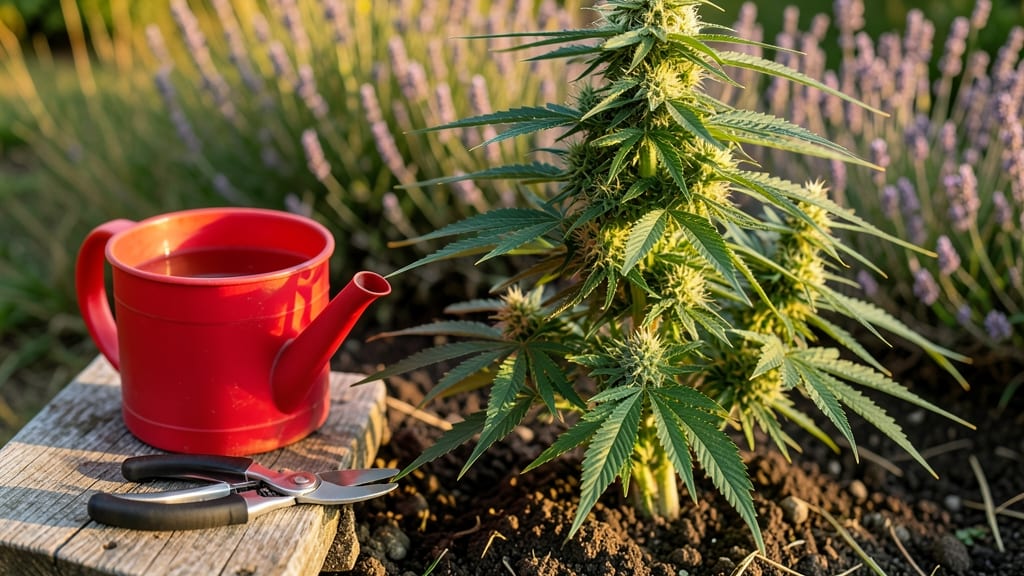
The Naked Gardening Club movement teaches gardeners to grow plants without synthetic chemicals, using organic techniques like composting, companion planting, and natural pest control to create healthy, sustainable gardens. Its focus on soil health and biodiversity makes it accessible for all skill levels.
This approach isn't just about avoiding pesticides—it's a full-circle system where healthy soil equals stronger plants. 🌱 I've seen firsthand how gardens thrive when you nurture the ecosystem instead of fighting it, from worms improving drainage to ladybugs keeping pests in check.
The club's methods actually reduce long-term costs by cutting out expensive synthetic inputs while boosting yields through natural fertility.
What sets it apart is the community aspect—many members share tips on everything from homemade fungicides to creating microclimates for delicate herbs. Whether you're a city dweller with a balcony or a rural homesteader, the principles scale to your space.
The key is starting small: test a single bed with compost and observe how plants respond before expanding.
💡 In This Article
- Core Principles Behind Naked Gardening
- How to Start Your Own Naked Garden
Core principles behind naked gardening
The foundation of naked gardening rests on regenerative agriculture—a practice that rebuilds soil health rather than depleting it. Unlike conventional methods that rely on synthetic fertilizers, this approach mimics natural ecosystems by cycling nutrients through compost, mulch, and cover crops.
For example, a single layer of 2-3 inches of wood chip mulch can suppress weeds by 90% while retaining moisture and feeding soil microbes. These microbes, particularly mycorrhizal fungi, form symbiotic relationships with plant roots, expanding their reach by up to 100 times for better nutrient absorption.
Here's what's actually happening beneath the soil: Mycorrhizal fungi create a vast underground network that connects plants, allowing them to share nutrients and signals.
A single gram of healthy soil can contain 1 billion fungal spores, which break down organic matter into plant-available forms like nitrogen, phosphorus, and potassium. 🌱 This natural fertilization process not only reduces the need for synthetic inputs but also creates a resilient ecosystem where plants support each other's growth—a concept known as "plant immune priming."
The movement's commitment to biodiversity is equally transformative. Beneficial insects like ladybugs, lacewings, and hoverflies serve as natural pest controllers, with a single ladybug able to consume 5,000 aphids in its lifetime. This biological pest management eliminates the need for chemical sprays that harm pollinators and soil organisms.
What most people don't realize is that synthetic pesticides can linger in soil for years, disrupting microbial communities that take decades to rebuild. By contrast, organic methods create a balanced environment where pests rarely reach outbreak levels.
Soil structure is another critical factor. Healthy soil has a crumbly texture with 30-40% porosity, allowing air and water to penetrate while holding onto nutrients. Conventional tilling disrupts this structure, while naked gardening techniques like no-dig methods preserve soil aggregates.
When you walk through a well-maintained naked garden, you'll notice the rich, dark humus that smells earthy rather than chemical—this is the result of active microbial life at work, breaking down organic matter into stable humus that stores carbon and improves water retention.
Consider these key ecological benefits that make naked gardening so effective:
- Carbon sequestration: Organic matter in soil can store 3 times more carbon than conventional systems, helping combat climate change
- Water efficiency: Healthy soil absorbs 20-30% more rainfall, reducing runoff and erosion
- Nutrient density: Plants grown in biologically active soil contain 20-50% more antioxidants and vitamins
- Long-term productivity: Regenerative systems maintain or increase yields over time without chemical inputs
The science behind this involves understanding the soil food web—a complex community of bacteria, fungi, protozoa, and nematodes that work together to decompose organic matter. When you add compost, you're essentially feeding this entire ecosystem, which then releases nutrients in forms plants can easily absorb.
This creates a self-sustaining cycle where each component supports the others, from earthworms aerating the soil to fungi connecting root systems. The result is plants that are more resistant to diseases and environmental stresses because their root systems are better nourished and interconnected.
What's particularly remarkable is how quickly these benefits appear. Within 3-6 months of implementing organic practices, you'll typically see improved soil structure, increased microbial activity, and healthier plant growth.
The visual difference is striking—plants grow more vigorously with deeper green leaves and stronger stems, while the soil itself becomes darker and more resilient to compaction. This isn't just about growing plants; it's about cultivating an entire ecosystem that thrives in harmony. 💫