
Vegetables
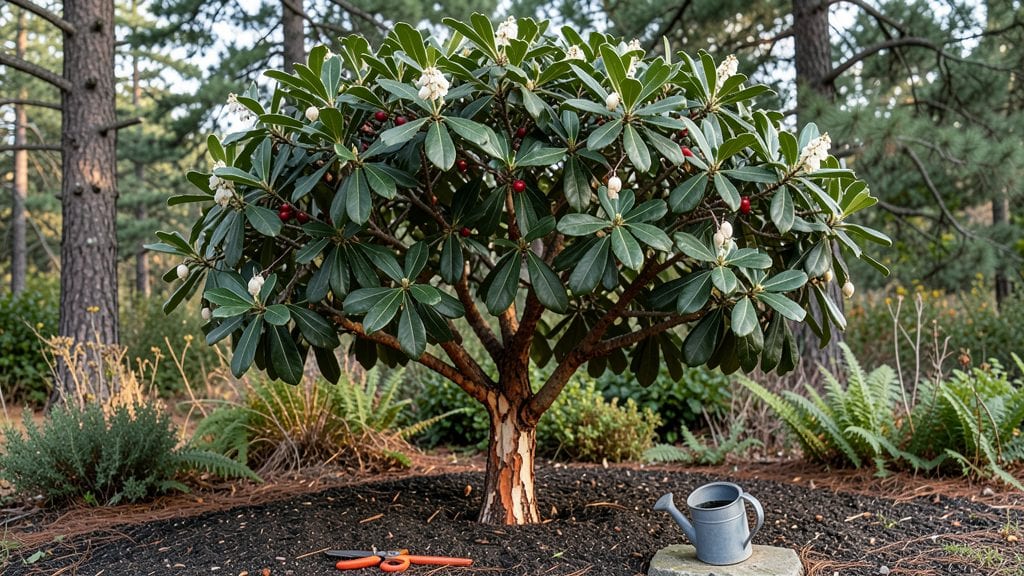
The Mendocino CA Botanical Gardens feature native coastal plants, drought-resistant species, and seasonal blooms like rhododendrons and camellias. These gardens include curated displays such as a redwood grove and succulent collection, with seasonal events showcasing wildflowers, winter holly, and summer pollinator gardens.
The Mendocino CA Botanical Gardens stand out as a living classroom for sustainable landscaping, where coastal scrub and manzanita thrive thanks to their natural resilience against fog and wind. 🌿 Unlike Mediterranean gardens, these plants adapt uniquely to the Pacific Northwest's damp summers and wet winters, offering home gardeners low-maintenance inspiration.
The gardens' seasonal displays—like winter holly and summer wildflowers—also demonstrate how to create year-round interest while supporting local ecosystems.
What makes this garden especially valuable is its hands-on approach. Visitors can participate in seasonal workshops on native plant propagation or join volunteer tours to learn firsthand about drought-resistant landscaping.
Whether you're a beginner or seasoned gardener, the garden's practical demonstrations—like the best times to prune ceanothus or attract pollinators—translate easily to home projects. The blend of education and beauty is what keeps people returning throughout the year.
💡 In This Article
- Native Plants Thriving in Mendocino’s Coastal Climate
- Seasonal Planting Calendar for Mendocino Gardens
Native plants thriving in Mendocino’s coastal climate
Mendocino’s coastal climate creates a unique growing environment where coastal scrub, manzanita, and ceanothus dominate the botanical gardens. These plants have evolved thick, waxy leaves and deep root systems to survive the region’s persistent fog, high winds, and seasonal rainfall patterns.
Unlike Mediterranean climates—where plants rely on summer droughts and winter rains—these species thrive in a mild, moist year-round environment, with summer fog providing up to 70% of their water needs.
The manzanita, for example, has leathery leaves that reduce water loss, while its red bark protects against coastal winds that can exceed 40 mph. Ceanothus, or wild lilac, develops nitrogen-fixing roots that improve soil fertility, making it ideal for slopes and disturbed areas.
These adaptations make them perfect for sustainable landscaping—they require 30-50% less water than non-native alternatives while supporting local pollinators like bees and hummingbirds.
Here’s what makes these plants stand out compared to Mediterranean species: While lavender or rosemary might dominate drier climates, Mendocino’s natives handle high humidity and salt spray from ocean winds. The gardens’ design reflects this by grouping plants by their microclimate needs—coastal species near the ocean, drought-tolerant shrubs inland.
This zoning reduces water use by up to 40% while maximizing biodiversity.
One standout feature is the redwood grove, where towering coast redwoods (up to 300 feet tall) create a microclimate that retains moisture and shields understory plants. Their roots extend 100+ feet deep, tapping into groundwater that other species can’t access.
This natural irrigation system is why redwoods often outlive other trees by centuries—a lesson in resilience for gardeners.
The gardens also highlight succulents and wildflowers that bloom in response to seasonal cues. Unlike Mediterranean wildflowers that rely on summer heat, these species trigger flowering based on day length and moisture availability, ensuring vibrant displays even in cool summers.
For instance, California poppies emerge after winter rains, while matilija poppies bloom in spring, creating a staggered color palette.
What most visitors don’t realize is how these plants support carbon sequestration. Coastal scrub ecosystems store 2-3 times more carbon per acre than lawns, making them a powerful tool for climate adaptation.
The gardens demonstrate this through their living lab approach, where visitors can see firsthand how native plants outperform non-natives in extreme weather—like the 2020 Mendocino Complex Fire, where many native species recovered faster due to their deep roots and fire-adapted seeds.