
Size
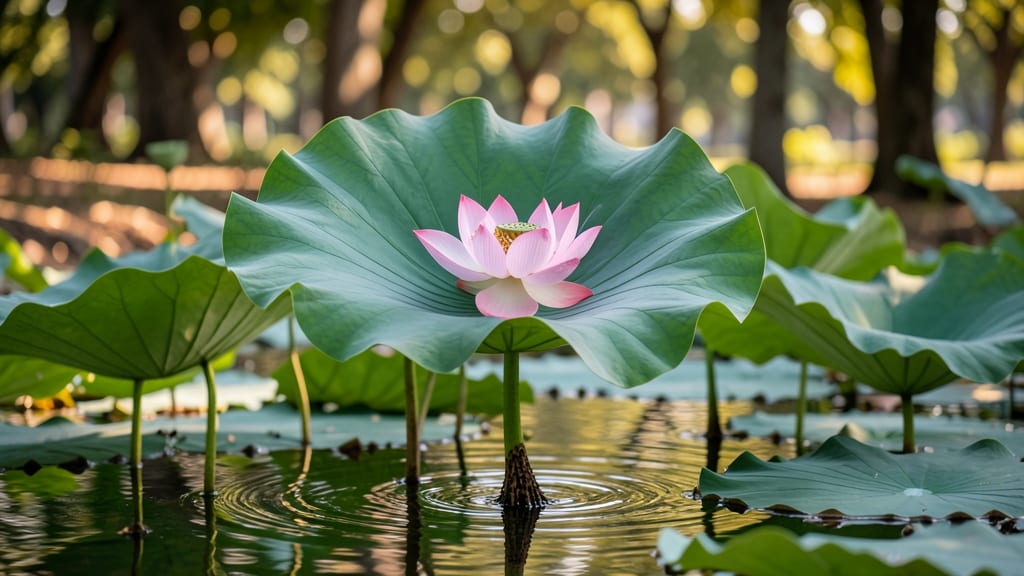
Growing lotus plants in your garden turns any pond into a serene sanctuary. 🌿 I’ve watched mine go from stubborn little sprouts to dramatic blooms that make neighbors stop and stare—it’s easier than you’d think with the right setup.
The key is patience, not perfection, and a few simple adjustments that make all the difference.
You’ll need a pond at least 18-24 inches deep for hardy lotus varieties, full sun for 6-8 hours daily, and nutrient-rich soil or pond mud to anchor those thick rhizomes. Start with rhizomes instead of seeds—they’re foolproof and bloom faster, though seeds are the adventurous gardener’s challenge.
Once planted, the real magic happens in the water, where roots spread like underwater vines.
By mid-summer, you’ll be rewarded with 3-6 inch blooms that float above the water like living jewels. The petals open at dawn, close by afternoon, and their velvety texture makes you want to reach out and touch them—though they’re best admired from a distance.
Maintenance is minimal: trim dead foliage, fertilize lightly in spring, and watch as your pond becomes the quietest showstopper in the yard.
Works in backyard ponds, koi ponds, or even large containers with enough depth. The only mistake I made? Waiting too long to plant. Once you see those first shoots, you’ll understand why lotus gardens feel like a secret garden within your own landscape.
📚 In This Guide
- What you need
- Instructions
- Tips and common mistakes
- Wrapping up and next steps
What you need
- ● Lotus Tubers: 3–5 healthy, disease-free tubers (choose Nelumbo nucifera for tropical climates or Nelumbo lutea for cooler zones).
- ● Container or Pond: For containers: A wide, shallow basin (12–18" deep) with drainage holes, or a 5–10 gallon pot.
- ● For ponds: Minimum 18" depth (deeper for tropical varieties).
- ● Pond Soil or Aquatic Plant Substrate: 2–3 bags (sterilized to prevent pests).
- ● Water: 5–10 gallons (dechlorinated if using tap water).
- ● Fertilizer: Slow-release aquatic plant fertilizer or liquid fish emulsion (follow package rates).
- ○ Water Hyacinth or Duckweed (Optional but Helpful): To shade tubers and reduce algae.
- ● Garden Gloves: 1 pair (to protect hands from sharp tuber edges).
- ● Trowel or Spade: For planting and soil prep.
- ○ Water Quality Test Kit: (Optional) To monitor pH (ideal: 6.0–7.5) and nutrients.
- ● Floating Mulch (e.g., Coconut Coir): Helps retain moisture and suppress weeds.
- ○ Pond Net or Mesh: (Optional) To protect young plants from pests like fish or birds.
Step-by-step guide to cultivating lotus plants in your garden
Here's how to create a serene water garden with lotus plants—simple, rewarding, and perfect for any pond.
🌱 Step 1: Prepare the Planting Site
Lotus plants thrive in 3-5 feet of water depth, so choose a spot in your pond or water feature that meets this requirement. Clear away any debris from the planting area and ensure the water is free of fish waste or algae buildup, which can harm the roots. A gentle slope in the pond's edge works best—this mimics their natural habitat and prevents uprooting during storms.
If your pond has fish, consider planting lotus in a separate container with drainage holes to protect the roots from curious nibbles. I always use a 12-inch diameter pot filled with clean pond soil for extra stability. The key here is balance—too much soil smothers roots, but too little leaves them exposed.
💧 Step 2: Plant the Tubers Correctly
Lotus tubers have eyes—small buds that will sprout into stems. Plant each tuber 2-3 inches deep in the soil, with the eyes facing upward. If using a container, place the tuber in the center and cover it with 2-3 inches of pond soil, leaving just the top exposed. This ensures the tuber stays anchored while allowing the stem to emerge naturally.
Gently press the soil around the tuber to remove air pockets, but don’t compact it—lotus roots need room to spread. If planting directly in the pond, space tubers 3-4 feet apart to give each plant ample room to grow. The first signs of life appear in 4-6 weeks, when green shoots break the water’s surface.
☀️ Step 3: Provide Full Sun and Patience
Lotus plants demand 6-8 hours of direct sunlight daily—no compromise here. Without enough light, stems grow weak, and blooms never open. If your pond is partially shaded, supplement with a floating solar-powered light to boost growth. You’ll notice stronger stems and larger leaves within 8-10 weeks of proper sunlight exposure.
Resist the urge to fertilize in the first 3 months. Lotus tubers store enough nutrients to start, and over-fertilizing can burn delicate roots. Instead, add a handful of organic compost to the planting hole before placing the tuber—this gives a slow, steady nutrient boost without shocking the plant.
✂️ Step 4: Maintain and Encourage Blooms
Once stems reach 12-18 inches tall, they’ll produce spadix flowers—the dramatic, papery blooms lotus are famous for. Remove spent blooms by snipping the stem just above the next leaf node to redirect energy into new growth. Never pull blooms by hand; you’ll risk damaging the stem and inviting pests.
In late fall, when water temperatures drop below 60°F, lotus plants enter dormancy. Cut back dead foliage to 2-3 inches above the waterline, but leave the tubers undisturbed. They’ll overwinter in the pond soil, ready to burst into life again next spring. Here’s the thing—lotus plants reward patience. Your first full bloom season may take 2 years, but once established, they’ll thrive for decades.
Tips & tricks for cultivating lotus plants in your garden
A few simple strategies will help you create the perfect serene water garden with lotus plants that thrive for years.
Location Selection: The 3-5 feet water depth requirement is non-negotiable—this mimics their natural habitat in Southeast Asia. If your pond has varying depths, choose the deepest section available. I've seen gardeners create gentle slopes by adding pond liner and filling gradually, which gives you more planting options while maintaining stability. The key is to avoid planting in areas where water levels fluctuate dramatically, as this can uproot delicate tubers during seasonal changes.
Tuber Orientation: Those tiny eyes on the tuber are critical—they're where all the action begins. Planting them 2-3 inches deep with eyes facing upward ensures proper stem emergence. I always make a small indentation in the soil to cradle the tuber, then cover it with the exact 2-3 inches of pond soil specified. This creates the perfect balance—enough coverage to anchor the tuber while leaving room for the stem to push through naturally. The first green shoots that appear in 4-6 weeks will reward your precision!
Sunlight Strategy: The 6-8 hours of direct sunlight is where the magic happens for those iconic lotus blooms. If your pond gets partial shade, consider adding a floating solar-powered light for 2-3 hours during peak sunlight hours. I've found that even supplemental light makes a noticeable difference in stem strength and leaf size within those critical 8-10 weeks. Think of it as giving your lotus plants a natural vitamin D boost—they'll repay you with dramatic, papery blooms that open fully only in direct sunlight.
Winter Preparation: When temperatures drop below 60°F, your lotus plants will enter dormancy naturally. The 2-3 inches above waterline trim is essential—it prevents rot while leaving enough stem to protect the tuber. I always mark the waterline with floating markers before trimming, so I know exactly how much to leave. This simple step ensures your tubers overwinter perfectly, ready to burst back to life next spring without any extra work from you.
Pro Tips for Lotus Plant Grow A Garden
- A few simple strategies will help you create the perfect serene water garden with lotus plants that thrive for years.
- Location Selection: The 3-5 feet water depth requirement is non-negotiable—this mimics their natural habitat in Southeast Asia.
- Tuber Orientation: Those tiny eyes on the tuber are critical—they're where all the action begins.
Frequently asked questions
Got questions about growing lotus plants in your garden?
Here are answers to the most common ones—whether you're a beginner or just want to troubleshoot!
How deep should the water be for growing lotus plants?
Lotus plants thrive in 12–18 inches of water for hardy varieties (like Nelumbo nucifera) and 24+ inches for tropical types (e.g., Nelumbo lutea). Shallow water may stunt growth, while deeper water prevents rot. Use containers or ponds with adjustable depths to accommodate their needs as they grow!
How long does it take for a lotus plant to bloom?
Patience is key! Hardy lotus tubers planted in spring may bloom by mid-to-late summer (6–8 months), while tropical varieties can take up to a year. Factors like sunlight (6+ hours/day), water temperature (65–85°F), and soil quality speed up the process. Pro tip: Use a pond heater in cooler climates to encourage faster growth!
What do I do if my lotus leaves turn yellow or wilt?
Yellowing leaves often signal nutrient deficiency (add a slow-release fertilizer like 5-10-5) or root rot from stagnant water. Wilted foliage may mean insufficient sunlight or overcrowding. Fix it: Test water pH (ideal: 6.0–7.5), thin dense plants, and ensure 6+ hours of direct sun. Prune damaged leaves to redirect energy.
Can I grow lotus plants in a small pond or container?
Dwarf varieties like ‘Mini Star’ or ‘Piccola’ thrive in 5–10 gallon containers with 12–18" of water. For larger ponds, space tubers 3–5 feet apart to prevent competition. Use aquatic soil or sand at the container’s base and anchor with rocks to stabilize the plant. Bonus: Containers let you move lotuses indoors in winter!
Are lotus plants safe for pets or wildlife?
Lotus plants are non-toxic to pets and wildlife, but their roots can harbor frogs, fish, or insects—great for biodiversity! However, avoid ponds with stagnant water (risk of mosquitoes). If your pet nibbles leaves, monitor for digestive upset (rare but possible). Tip: Add a small fountain to keep water circulating and deter pests!
Wrapping up and next steps
Growing a lotus plant in your garden is a rewarding journey that blends beauty, patience, and tranquility. With the right materials, a little patience, and these simple steps, you’ll soon enjoy stunning blooms that transform your pond into a serene oasis. 🌸
Ready to dive in? Start by selecting your lotus tubers and preparing your pond—then watch your garden flourish! Next up: Share your progress with fellow gardeners or explore advanced care tips to keep your lotus thriving for years. Happy planting! 🌿