
Tools
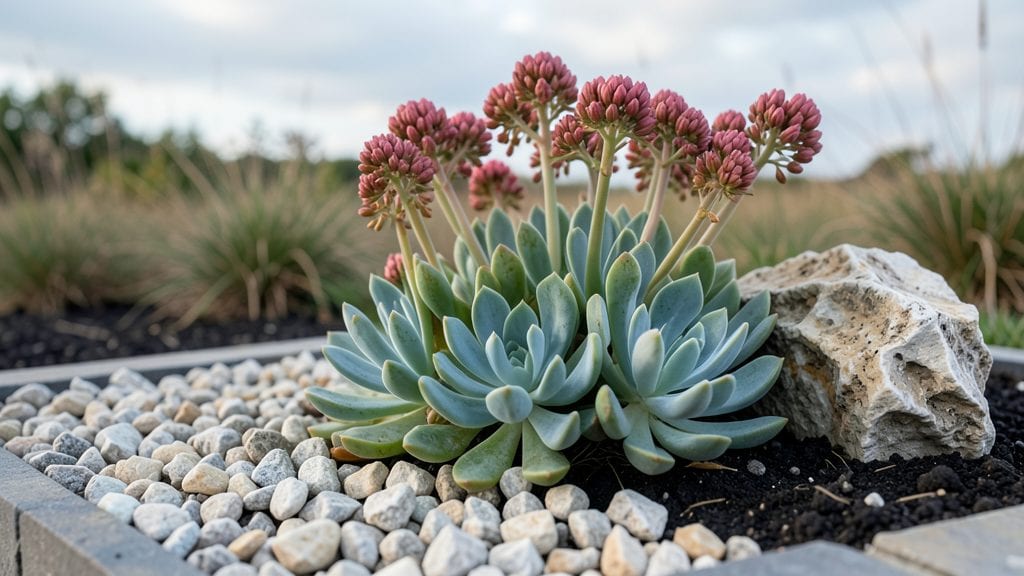
Using limestone in your garden raises soil pH levels by neutralizing acidity, creating optimal growing conditions for plants like azaleas, blueberries, and vegetables that prefer alkaline soil. Apply crushed limestone evenly and work it into the top 6 inches of soil for best results.
Limestone works because it contains calcium carbonate, which reacts with acidic soil compounds to gradually increase pH over time. 💫 Unlike quick-fix amendments, it provides long-term buffering, preventing extreme pH swings that stress plants.
For best results, test your soil first—most gardeners need about 5-10 pounds per 100 square feet for moderate acidity correction, but heavy clay soils may require more. Spring application gives plants time to establish before summer heat stress.
This approach transforms struggling plants into thrivers, especially in regions with naturally acidic soils like the Southeast. The key is patience—full pH adjustment takes 3-6 months, but the results last years when applied correctly.
I always recommend re-testing soil annually to maintain the ideal 6.0-7.0 pH range for most vegetables.
💡 In This Article
- How Limestone Adjusts Soil pH Chemistry
- Best Limestone Applications for Different Plants
How limestone adjusts soil pH chemistry
When you add limestone to acidic soil, you're initiating a chemical reaction that transforms hydrogen ions (H+) into water (H₂O) and carbon dioxide (CO₂). The active ingredient, calcium carbonate (CaCO₃), reacts with soil acidity (primarily aluminum and hydrogen ions) through a process called neutralization.
This reaction isn't instantaneous—it occurs gradually over weeks as moisture and microbial activity facilitate the breakdown of limestone particles. The result? A steady increase in soil pH, typically raising it by 0.5-1.0 points per application, depending on your starting pH and soil type.
The physical form of limestone matters significantly. Granular limestone (3-6mm particles) dissolves slowly, providing long-term pH buffering that can last 2-5 years in most soils. This slow release is ideal for maintaining stable pH levels, especially in sandy soils where nutrients leach quickly.
In contrast, powdered limestone works faster but may cause temporary pH spikes that can stress plants. The surface area difference is dramatic—powdered limestone has 10-20 times more surface area per pound than granules, which accelerates the reaction but reduces longevity.
For most gardeners, granular forms are the gold standard for balanced, sustainable pH adjustment. 🔥
What makes limestone particularly effective is its dual role in soil chemistry. Beyond pH adjustment, calcium carbonate supplies essential calcium (Ca²⁺) and magnesium (Mg²⁺) ions that improve soil structure and plant nutrition. The calcium helps stabilize soil aggregates, preventing compaction that restricts root growth.
Over time, this creates a more porous soil environment that enhances water infiltration and microbial activity. The magnesium component supports chlorophyll production, giving plants the energy they need to thrive in their new pH environment.
This dual benefit explains why limestone applications often lead to visible improvements in plant vigor beyond just pH correction.
Here's what happens at the microscopic level: As limestone dissolves, it releases calcium and carbonate ions that bind with aluminum and manganese—two elements that become toxic to plants in acidic conditions. This binding process effectively removes these harmful ions from the soil solution, creating a safer environment for root development.
The carbonate ions also contribute to soil buffering capacity, which means your soil is less prone to sudden pH fluctuations from rain or organic matter decomposition. This buffering effect is why limestone applications can maintain pH stability for years, even in regions with naturally acidic rainfall patterns. 💫
For long-term soil health, the key is understanding your soil's buffering capacity—the ability to resist pH change. Clay soils have higher buffering capacity than sandy soils, meaning they require 20-50% more limestone to achieve the same pH change.
A simple test is to observe how your soil reacts to rainfall—if pH drops significantly after heavy rain, your soil has low buffering capacity and needs more frequent limestone applications.
Most experts recommend reapplying limestone every 2-3 years for maintaining optimal pH levels, especially in vegetable gardens where nutrient demands are high. The visual difference is striking: plants that previously showed chlorosis (yellowing leaves) from iron deficiency often regain their vibrant green color within 6-8 weeks of proper limestone application.
The texture of your soil also affects how limestone works. In sandy soils, limestone particles dissolve more quickly due to better drainage, while clay soils provide a protective environment that slows dissolution.
This is why many gardeners find that limestone works more predictably in loamy soils—the ideal balance of sand, silt, and clay that allows for controlled release.
The physical act of working limestone into the top 6 inches of soil ensures it comes into contact with the root zone where most pH-sensitive reactions occur.
For container gardens, mix limestone directly into the potting soil at a rate of 1-2 pounds per cubic foot of mix, being careful not to exceed the recommended pH for your specific plants. 🌟