Pests
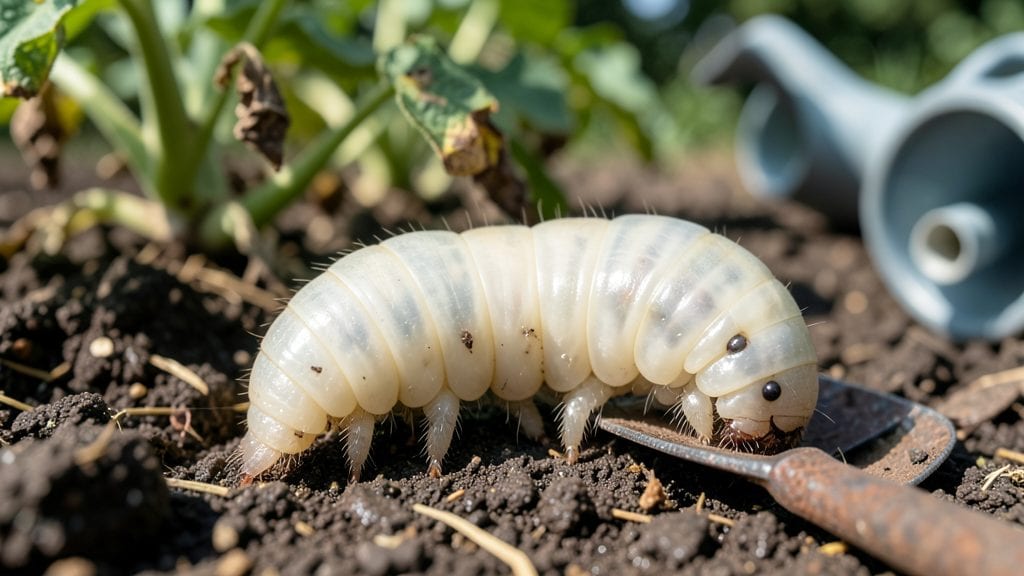
Large garden grubs can turn your lush lawn into a chewed-up mess overnight. 🌱 I’ve watched my carefully cultivated beds get decimated by these white, C-shaped critters—until I discovered the right barriers that actually work. The key isn’t just reacting when you spot damage; it’s stopping them before they start.
These grubs—often chafer or scarab larvae—thrive in moist soil, where they munch on roots unseen. You’ll know they’re there when grass turns yellow in patches or plants wilt despite regular watering.
The damage happens underground, so surface sprays won’t cut it. Instead, focus on physical barriers like fine mesh or natural predators such as nematodes and birds.
By combining preventive mulching with targeted treatments, you’ll see fewer tunnels and healthier plants within weeks. The best part? These methods don’t rely on harsh chemicals, so your soil stays fertile—and your lawn stays green. Let’s get those grubs under control for good.
Works for lawns, vegetable gardens, and flower beds alike. Once you implement these strategies, you’ll wonder why you didn’t try them sooner. The secret is consistency, not just one-time fixes.
The Hidden Triggers Behind Grubs
Large, wriggly grubs—those C-shaped larvae of beetles—don’t just appear out of nowhere. Their presence in your garden is the result of a mix of environmental factors, plant choices, and even human habits.
Understanding why they thrive (and how to disrupt their lifecycle) is the first step to reclaiming your lawn and garden. Let’s break down the key reasons these pests take root.
Grubs love lush, soft soil—especially when it’s moist and nutrient-rich. Here’s why your lawn might be a buffet:
- Excess moisture: Grubs need damp soil to survive, and overwatering (or poor drainage) creates the perfect conditions. Even light, frequent watering can keep the topsoil hydrated long enough for eggs to hatch and larvae to feed.
- Nitrogen-heavy fertilizers: While grass loves nitrogen, it also attracts beetles (like Japanese beetles or June bugs). These pests lay eggs in soil with high organic matter, which fertilizers boost.
- Thatch buildup: A thick layer of thatch (dead grass and roots) traps moisture and provides insulation—ideal for egg-laying females.
Pro tip: 💡 Test your soil’s moisture levels with a simple screwdriver test. If it slides in easily, you’re overwatering. Aim for deep, infrequent watering (1–1.5 inches per week) to dry the topsoil slightly between sessions.
Grubs are the larvae of beetles, and their numbers skyrocket when adult beetles find your garden irresistible. Here’s what draws them in:
- Attractive host plants: Beetles like Japanese beetles are drawn to roses, grapes, raspberries, and other fruiting plants. Even if you’re not growing these, nearby gardens might be.
- Lights at night: Many beetles are attracted to outdoor lights (especially mercury vapor or white LEDs), which disrupt their natural navigation and lead them to lay eggs in your yard.
- Urban sprawl and habitat loss: As natural beetle predators (like birds and toads) decline due to pesticides or development, grubs have fewer checks on their populations.
Pro tip: 🌡️ Reduce nighttime lighting near your garden, or switch to warm-toned bulbs (beetles are less attracted to amber or red lights). Planting neem trees or geraniums can also repel adult beetles naturally.
Grubs thrive in gardens that offer shelter, food, and easy access to lay eggs. Common mistakes include:
- Thick mulch layers: While mulch conserves moisture, piles thicker than 2–3 inches create dark, humid microclimates where grubs can burrow and feed undisturbed.
- Unremoved plant debris: Leaving fallen leaves, grass clippings, or old wood in the garden provides hiding spots for beetles to lay eggs and grubs to pupate.
- Compacted soil: Heavy foot traffic or machinery compacts soil, making it easier for grubs to tunnel and harder for beneficial nematodes (natural predators) to move through.
Pro tip: ✨ Rake mulch to a uniform 2-inch layer and clear debris regularly. Aerate compacted soil in spring to improve drainage and invite predatory insects like ground beetles.
Healthy plants can tolerate some grub damage, but stressed ones become easy targets. Grubs prefer:
- Young or newly planted grass: Tender roots are a grubs’ dream—easy to chew through. Seedlings and sod are especially vulnerable.
- Drought-stressed or nutrient-deficient plants: Weak roots release more sugars into the soil, attracting grubs like a dinner bell.
- Monocultures (like large lawns of Kentucky bluegrass): Uniform plantings lack biodiversity, reducing natural pest control from insects, birds, and microbes.
Pro tip: 🎯 Interplant grasses with clover or native wildflowers to diversify your lawn. Clover fixes nitrogen and attracts predatory wasps that hunt grubs.
Once you identify which of these factors are at play in your garden, you can target them directly with natural barriers and cultural fixes. The key is disrupting the grubs’ lifecycle before they become a full-blown infestation.
Natural Ways to Stop Garden Grubs
Now that you understand why those pesky large garden grubs are wreaking havoc on your plants, it’s time to take action! The good news? You don’t need harsh chemicals to keep them at bay.
Below, we’ll break down targeted solutions based on the most common causes—soil health, overwatering, mulch buildup, and plant stress—along with preventive tips to keep your garden thriving.
If your soil is compacted, nutrient-poor, or overly moist, grubs will thrive like uninvited guests at a buffet. Here’s how to restore balance and make your garden less appealing to them:
🔥 Loosen & Aerate the Soil
Grubs love dense, waterlogged soil because it’s easy for them to burrow and hide. Break up compacted areas with a garden fork or tiller to improve drainage and oxygen flow.
- When to do it: Early spring or after heavy rain.
- Pro tip: 💡 Mix in compost or aged manure (1-2 inches) to enrich the soil naturally—grubs prefer weak plants, and healthy soil grows stronger roots!
🍳 Balance Moisture Levels
Overwatering creates the perfect grub paradise. Adjust your watering habits to keep soil moist but not soggy.
- Test your soil: Stick your finger 2 inches deep—if it’s damp, wait before watering again.
- Improve drainage: Add perlite or coarse sand to heavy clay soils to prevent waterlogging.
👨🍳 Introduce Beneficial Nematodes
These microscopic predators hunt and kill grubs without harming your plants. How to use them:
- Purchase heterorhabditis bacteriophora nematodes (available online or at garden centers).
- Mix them with water and apply to the soil in the evening (they’re sensitive to sunlight).
- Water lightly afterward to help them move into the soil. - Best time: Early spring or late summer when grubs are most active.
A thick layer of mulch or rotting leaves can attract grubs by providing shelter and food. Cut back on excess organic matter and replace it with grub-repelling alternatives:
⏰ Rake Up Excess Mulch
- Remove old mulch (especially wood chips or straw) from the base of plants.
- Replace with a thin layer (1-2 inches) of gravel, pine needles, or cedar chips—these deter grubs naturally.
🔪 Remove Grub Hotspots
- Check under lawn edges, flower beds, and vegetable patches for white, C-shaped grubs (larvae of beetles).
- Handpick them in the evening (they’re sluggish then) and drop them in soapy water to kill them.
Stressed plants are grub magnets. Boost their defenses with these low-effort, high-impact strategies:
🍎 Choose Grub-Resistant Plants
Some plants naturally repel grubs or recover quickly from damage. Try:
- Marigolds (contain pyrethrin, a natural insect repellent).
- Garlic & Onions (their strong scent deters burrowing pests).
- Daffodils & Alliums (grubs avoid their toxic sap).
✨ Use Companion Planting
Plant grub-repelling herbs and flowers near vulnerable crops:
- Basil, thyme, and mint around tomatoes and peppers.
- Nasturtiums near squash and cucumbers (they trap pests).
🎯 Apply Neem Oil Spray
A natural, organic deterrent, neem oil disrupts grubs’ life cycle when sprayed on leaves and soil.
- Mix: 2 tbsp neem oil + 1 tsp mild soap + 1 quart water.
- Spray: Apply in the early morning or evening (avoid direct sun).
- Reapply: Every 7-10 days during grub season (spring to early summer).
Once you’ve kicked the grubs out, keep them from moving back in with these easy maintenance habits:
- 🌿 Rotate crops annually to disrupt grubs’ feeding patterns.
- 🐛 Encourage natural predators like birds, toads, and ground beetles by keeping a wildflower border or small pond.
- 🕰️ Inspect regularly—catch grubs early before they become a full-blown infestation.
- 🌞 Improve sunlight exposure—grubs prefer shady, damp areas, so prune overgrown plants to let sunlight in.
By combining soil fixes, mulch management, plant strengtheners, and natural predators, you’ll outsmart grubs without resorting to toxic chemicals. Healthy soil = happy plants = grub-free garden! 🌱💚
Frequently asked questions
What do large garden grubs look like?
These pests are typically white or cream-colored, C-shaped, and about 1/2 to 1 inch long when fully grown. Look for their smooth, legless bodies and brown heads. You’ll often find them buried in moist soil or feeding on plant roots near the surface.
How do I know if my plants are being attacked by grubs?
Watch for yellowing grass patches, wilted plants, or surface tunnels in the soil. When you lift the sod or mulch, you may see grubs feeding on roots or hear them wriggling away when disturbed. Early signs include stunted growth or plants that pull up easily.
Are grubs harmful to humans or pets?
No, grubs are not harmful to humans or pets when encountered outdoors. However, they can contaminate food crops if left unchecked. Some pets may try to eat them, but they’re not toxic. The real danger is the damage they cause to your garden’s root systems.
What’s the best time of year to treat for grubs?
Target treatments in early spring (when grubs are most active) or late summer (before they pupate). Avoid treatments during extreme heat or drought, as grubs will burrow deeper. Soil temperatures between 50-75°F are ideal for nematode applications.
Will chickens or ducks help control grubs?
Chickens and ducks love eating grubs and will naturally reduce populations. Let them forage in your garden during the day, then contain them at night. For best results, introduce them after applying beneficial nematodes to maximize grub exposure.