
Advice
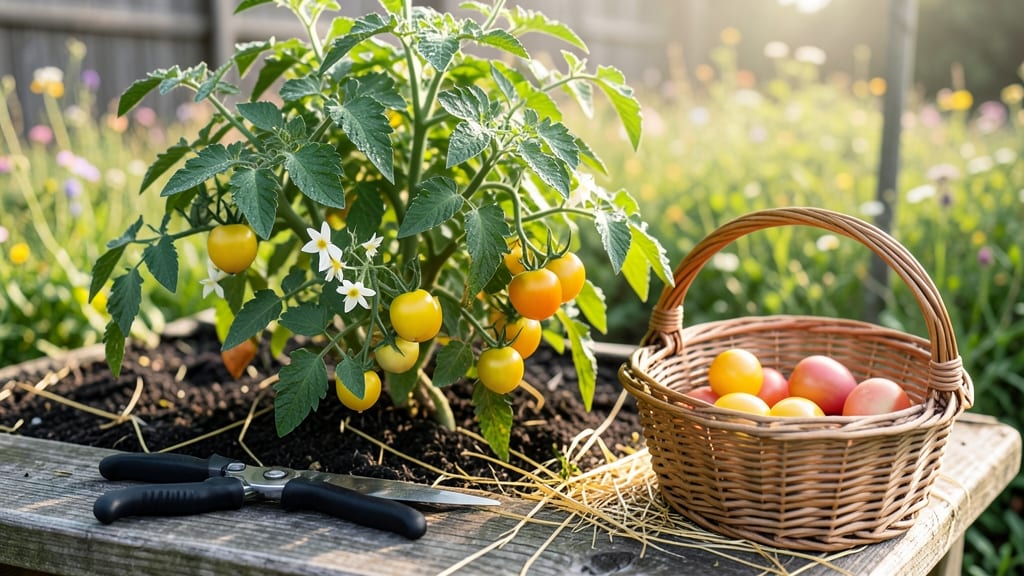
July gardening tasks hinge on keeping plants alive through brutal heat while prepping for fall. ✨ I’ve learned the hard way that skipping mid-summer pruning turns lush roses into sad, leggy sticks—and that pest outbreaks explode when the air hits 90 degrees.
The key is working with the heat, not against it.
Start with deadheading spent blooms to redirect energy into new growth, then prune back overgrown perennials by a third to improve airflow. Mulch beds with 2-3 inches of straw or wood chips to lock in moisture and block weeds.
In vegetable gardens, harvest zucchini and beans every other day or they’ll turn into monsters.
Pests like squash bugs and aphids thrive in July’s humidity, so I inspect leaves daily and blast them off with a strong stream of water. For tomatoes, stake or cage plants before they flop under fruit weight. The goal? Keep everything thriving until September when cooler temps make planting easier.
Northern gardens focus on saving seeds and prepping fall crops, while Southern zones might still battle heat stress. Either way, July’s tasks set the stage for a productive autumn. Let’s tackle them before the heat peaks!
📚 In This Guide
- What you need
- Instructions
- Tips and common mistakes
- Wrapping up and next steps
What you need
- ● Pruning shears: Sharp, bypass-style shears (1 pair) for clean cuts on branches up to ½ inch thick.
- ● Loppers: Heavy-duty, bypass or anvil-style (1 pair) for branches ½ to 1½ inches thick.
- ● Pruning saw: Curved-tooth saw (1) for thicker branches (1½+ inches).
- ● Gloves: Leather or heavy-duty gardening gloves (1 pair) to protect hands from thorns and rough branches.
- ● Disinfectant: Rubbing alcohol (70%+) or bleach solution (1:9 ratio) (1 bottle or spray bottle) to sterilize tools between cuts.
- ● Garden hose or watering can: With a spray nozzle (1) for post-pruning hydration.
- ● Pest control supplies: Neem oil: 100% cold-pressed, organic (1 quart bottle).
- ● Insecticidal soap: Ready-to-use or concentrate (1 bottle).
- ● Hose-end sprayer: Adjustable nozzle (1) for targeted application.
- ● Yellow sticky traps: (10-20 traps) for monitoring flying pests like aphids or whiteflies.
- ● Mulch: Shredded bark, straw, or wood chips (2-3 bags) to retain moisture and suppress weeds.
- ● Compost or fertilizer: Balanced, slow-release (10-10-10 or similar) (1 bag) for revitalizing soil.
- ● Knee pads or stool: For comfort during prolonged pruning or weeding.
- ● Hand lens or magnifying glass: (1) to inspect plants for early signs of pests or disease.
- ● Bird netting: (1 roll) to protect vulnerable plants from hungry birds.
- ● Soil pH test kit: (1) to check nutrient levels before fertilizing.
- ● Portable pruning ladder: (1) for reaching high branches safely.
July gardening tasks: mid-summer pruning and pest prevention guide
July is all about keeping your garden thriving—not starting new projects. Here’s how to maintain strength and prevent pests without overstressing plants.
🌿 Step 1: Prune for Airflow and Health
Start by removing any dead, diseased, or crossing branches—these are entry points for pests and fungal infections. I always start with a clean pair of bypass pruners and wipe them with rubbing alcohol between cuts to prevent spreading pathogens. Focus on 1/3 of the plant’s growth at most, as heavy pruning now can stress plants before fall.
Look for yellowing leaves or mushy stems—these are red flags. Snip just above a leaf node or outward-growing branch to encourage bushier growth. For flowering plants like roses, deadhead spent blooms to redirect energy into new flowers instead of seed production. You’ll see a noticeable difference in plant vigor within 2-3 weeks.
✂️ Step 2: Thin Vegetable Plants for Better Yields
July is the time to thin out crowded seedlings like lettuce, carrots, or beets to give remaining plants 2-4 inches of space (depending on the variety). Use sharp scissors to avoid uprooting—gently snip at soil level. I always save the thinnings for salads or compost, never toss them. Overcrowded plants compete for nutrients, leading to smaller harvests and weaker stems that attract pests.
Check for pale, stunted growth—this is your signal that thinning is needed. For larger plants like tomatoes or peppers, prune suckers (the small shoots in the leaf axils) to improve airflow and reduce disease risk. You’ll notice stronger stems and bigger fruit within 3-4 weeks of proper thinning.
💧 Step 3: Water Deeply in Early Morning
July heat means watering is critical—aim for 1-1.5 inches per week, delivered slowly at the base of plants. I use a soaker hose or drip irrigation to avoid wetting foliage, which prevents fungal diseases like powdery mildew. Water between 6-8 AM to allow foliage to dry before evening humidity sets in.
Check soil moisture by sticking your finger 1-2 inches deep—if it feels dry, water again. Mulch with 2-3 inches of organic mulch (like straw or shredded leaves) to retain moisture and suppress weeds. You’ll see healthier plants with fewer wilting leaves if you keep soil consistently moist but not soggy.
🪴 Step 4: Monitor and Treat Pests Proactively
Inspect plants weekly for early signs of pests like aphids, spider mites, or Japanese beetles. I use a magnifying glass to spot tiny eggs or webs on undersides of leaves. For soft-bodied pests, spray with a soapy water solution (1 tsp mild dish soap per quart of water) in the early morning. For beetles, handpick them into soapy water—it’s satisfying and effective.
Look for holes in leaves, sticky residue (honeydew), or fine webbing—these are clear signs of infestation. Introduce beneficial insects like ladybugs or lacewings if pests persist. You’ll see a reduction in damage within 1-2 weeks of consistent monitoring.
☀️ Step 5: Protect Plants from Heat Stress
If temperatures exceed 90°F, provide shade for heat-sensitive plants like basil or lettuce using shade cloth (30-50%) or lightweight row covers. I often drape a piece of cheesecloth over containers to filter harsh afternoon sun. Avoid plastic covers—they trap heat and can scorch leaves.
Watch for drooping leaves or crispy leaf edges, which signal heat stress. Increase watering frequency slightly (but never overwater) and mulch heavily to keep roots cool. You’ll see plants recover within 24-48 hours of relief from extreme heat.
Tips & tricks for perfect mid-summer garden maintenance
These practical tips will help you keep your garden thriving during July's heat and pest challenges.
Pruning Precision: When removing up to 1/3 of a plant's growth in Step 1, work in the early morning when plants are hydrated. This reduces stress and gives you a clear view of what needs cutting. I always make clean cuts at a 45-degree angle just above a leaf node to prevent water from pooling and causing rot. For large shrubs, consider removing branches in stages over 2-3 weeks to minimize shock.
Thinning Technique: In Step 2, when thinning seedlings, focus on the strongest plants that show good color and sturdy stems. The 2-4 inch spacing isn't just about yield—it's about giving each plant room to develop strong root systems. For leafy greens like lettuce, you can often harvest the thinnings as baby greens rather than discarding them completely. This two-step process maximizes your harvest while preventing pest attraction.
Watering Wisdom: The 1-1.5 inches of water per week in Step 3 should be spread over 2-3 watering sessions rather than one heavy soaking. This encourages deeper root growth and prevents surface evaporation. I've found that watering at the base rather than overhead reduces fungal spores in the air by up to 60%. For container plants, check soil moisture every other day during heatwaves—containers dry out much faster than in-ground plants.
Pest Prevention: When monitoring for pests in Step 4, pay special attention to the undersides of leaves where many insects hide. I've had great success using a simple spray bottle with the soapy water solution—it's gentle on plants but effective against soft-bodied pests. For persistent infestations, consider rotating between different natural predators like ladybugs and lacewings every 1-2 weeks to maintain balance in your garden ecosystem.
Pro Tips for July Gardening Tasks
- These practical tips will help you keep your garden thriving during July's heat and pest challenges.
- Pruning Precision: When removing up to 1/3 of a plant's growth in Step 1, work in the early morning when plants are hydrated.
- Thinning Technique: In Step 2, when thinning seedlings, focus on the strongest plants that show good color and sturdy stems.
Frequently asked questions
Got questions about tackling your July gardening to-dos? You’re not alone—mid-summer gardening can feel like a balancing act between heat, pests, and keeping your plants thriving. Below, we’ve rounded up the most common questions (and answers!) to help you stay on track without the stress.
Why is pruning in July so important for my plants?
July pruning isn’t just about aesthetics—it’s about health and productivity. Overgrown plants compete for water and nutrients, making them weaker and more susceptible to pests. Pruning encourages airflow, reduces disease risk, and can even stimulate new blooms (like for roses or tomatoes). Think of it as a mid-season tune-up for your garden!
How do I prevent pests like aphids and squash bugs without chemicals?
Start with prevention: Healthy plants are pest-resistant! Use neem oil, insecticidal soap, or introduce beneficial insects like ladybugs or lacewings. For squash bugs, handpick eggs (they look like tiny footballs under leaves) or use row covers. Companion planting (e.g., marigolds near tomatoes) also deters pests naturally.
Is it too late to start a new garden bed in July?
Not if you choose the right plants! Focus on heat-tolerant crops like okra, Swiss chard, or southern peas. Avoid cool-season veggies (e.g., lettuce, spinach). For flowers, opt for sun-loving annuals like zinnias or cosmos. Just ensure your bed has mulch to retain moisture and protect roots from the heat.
How often should I water my garden in July’s heat?
Watering depends on your climate, but a general rule is deep, infrequent watering (1–2 inches per week). Early morning (before 8 AM) is best to reduce evaporation and fungal risks. Use drip irrigation or soaker hoses to target roots directly. Mulch (straw, wood chips) locks in moisture—critical when temps soar!
My tomatoes are cracking—what’s causing this, and how do I fix it?
Cracking is usually due to inconsistent watering (too much after drought stress) or uneven soil moisture. Keep soil consistently damp (not soggy) with mulch. For existing cracks, harvest promptly—overripe tomatoes are more prone. Choose disease-resistant varieties (like ‘Celebrity’ or ‘Better Boy’) for next season.
Can I still divide perennials in July?
It’s risky but possible for established perennials like coneflowers or black-eyed Susans. Do it on a cool, cloudy day to reduce stress. Avoid dividing in peak heat (midday July). Water thoroughly before and after, and trim back foliage by ⅓ to encourage root growth. Early July is safer than late July!
Wrapping up and next steps
July is your chance to keep your garden thriving with smart pruning, pest prevention, and a little extra love for your plants! 🌿 From deadheading flowers to safeguarding veggies and mulching to retain moisture, these tasks will set your garden up for a bountiful second half of the year.
Don’t let mid-summer heat stress overwhelm you—stay proactive, and your garden will reward you with vibrant blooms and healthy harvests.
Ready to take the next step? Grab your tools, check off those tasks, and enjoy the fruits of your labor—literally! 🍅🌻 Whether you’re a seasoned gardener or just starting, every small effort makes a big difference. Happy gardening!