
Succulent
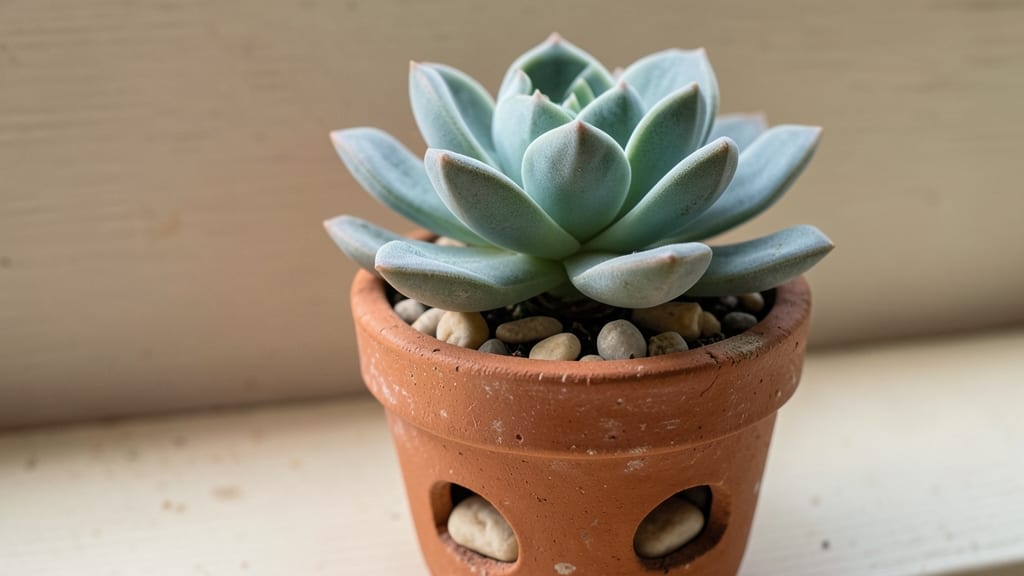
Creating an indoor succulent garden turns empty corners into vibrant green spaces that barely need care. 🌱 I started with a single pot on my windowsill and now have a shelf display that neighbors can’t stop admiring—all while using plants that thrive on neglect.
The key isn’t fancy setups but smart choices: the right containers, light-hungry varieties, and a layout that makes everything look intentional.
You’ll need shallow containers with drainage holes (or a cache pot trick to hide them), well-draining soil mix, and a mix of sun-loving and shade-tolerant varieties.
Think of it like a living art piece: pair deep greens with burgundy or variegated leaves for contrast, and use different pot heights to create visual interest. My favorite combo? A mix of echeverias, haworthias, and a trailing string of pearls for that cascading effect.
Within weeks, you’ll have a display that feels lush and intentional without constant upkeep. The right lighting makes all the difference—most succulents need bright, indirect light, but a south-facing window or grow lights can work wonders.
Even in tight spaces, a well-planned arrangement turns a shelf or windowsill into a mini desert oasis that’s easier to maintain than a houseplant collection.
This works for apartments, offices, or even sunny hallways—just adjust the plant selection based on your light conditions. The best part? Once you get the hang of it, you’ll spot new varieties everywhere and keep expanding your collection without the usual gardening headaches.
📚 In This Guide
- What you need
- Instructions
- Tips and common mistakes
- Wrapping up and next steps
What you need
- ● Succulents: 3–5 small to medium-sized plants (e.g., Echeveria, Haworthia, or Sedum). Choose varieties that thrive indoors.
- ● Containers: 1–3 shallow pots with drainage holes (terracotta or ceramic, 4–6 inches in diameter).
- ● Potting Mix: 1 bag of cactus/succulent soil (or a blend of 50% potting soil + 50% perlite/pumice).
- ● Drainage Material: Small pebbles or coarse sand (½ cup per pot) for the bottom layer.
- ● Watering Can: A small, narrow-spout can to avoid overwatering.
- ○ Optional Tools: Trowel or small spoon for planting.
- ● Spray bottle (for misting, if humidity is low).
- ● Decorative stones or moss (for aesthetics).
- ○ Lighting: A grow light (optional but helpful for low-light spaces).
- ● Fertilizer: Balanced liquid fertilizer (diluted to half-strength, used 2–3 times a year).
- ● ✨ Drainage is key! Ensure pots have holes or use a cache pot (decorative outer pot with a removable inner one).
- ● 🌡️ Group plants to create a microclimate and reduce humidity loss.
- ● 🎯 Start small! Test your setup with 1–2 plants before expanding.
Step-by-Step guide to designing indoor succulent gardens
Succulents thrive indoors with minimal fuss—here’s how to create a thriving, stylish display.
🪴 Step 1: Select and Prepare Containers
Choose containers with drainage holes to prevent root rot—terracotta pots or ceramic planters work best. I like mixing shallow dishes for ground covers like Sedum with deeper pots for taller varieties like Haworthia. Clean each container thoroughly with warm, soapy water to remove any residue that could harbor mold. Line the bottom with a layer of pebbles or broken pottery to improve drainage further.
For a cohesive look, stick to a color palette or material theme. Grouping pots by size creates visual balance, while varying heights adds dimension. If using a single large tray, ensure it’s at least 4 inches deep to accommodate roots and soil. Avoid glass containers without drainage—they trap excess moisture and suffocate roots.
🌱 Step 2: Layer Soil and Succulents Strategically
Fill each container with a cactus and succulent mix, leaving 1 inch of space at the top to prevent overflow when watering. Succulents hate soggy roots, so mix in 20% perlite or pumice to improve aeration. Press the soil lightly to remove air pockets but avoid compacting it too tightly.
Arrange succulents in odd-numbered clusters for natural appeal—three or five plants per pot creates visual interest. Place taller varieties at the back and trailing types like String of Pearls near the edges. Space them 1-2 inches apart to allow airflow and prevent rot. If using a tray, start with the largest plants in the center and fill gaps with smaller ones around the edges.
☀️ Step 3: Position for Optimal Light
Succulents crave bright, indirect light—a south- or west-facing window is ideal. Rotate trays a quarter turn weekly so plants grow evenly and don’t lean toward the light. If your space is dim, supplement with a grow light positioned 6-12 inches above the plants for 12-14 hours daily.
Watch for signs of stress: yellowing leaves mean too much water, while pale, stretched stems signal insufficient light. If leaves develop a reddish tint, they’re getting too much direct sun—move the plants 1-2 feet back from the window. Grouping containers together also helps regulate humidity and temperature, creating a microclimate that mimics their natural desert habitat.
💧 Step 4: Water Sparingly and Maintain Consistently
Water only when the top inch of soil feels completely dry—stick your finger in the soil to check. Most succulents prefer a drought-like schedule: water deeply once every 2-3 weeks in spring/summer, reducing to once a month in winter. Pour water slowly until it drains freely from the bottom, then empty any excess from the saucer within 10 minutes.
Overwatering is the #1 killer of indoor succulents. If the soil stays damp for more than 24 hours, you’re watering too often. Instead, focus on creating a self-sustaining environment: group plants together, avoid cold drafts, and use a moisture meter if you’re unsure. A healthy succulent will plump up when watered and shrink slightly between waterings—this is normal and expected.
✂️ Step 5: Prune and Propagate for Longevity
Remove dead or yellowing leaves with clean, sharp scissors to encourage new growth. Pinch back leggy stems to promote bushier plants—this is especially helpful for varieties like Echeveria or Sempervivum. If a succulent outgrows its pot, propagate it by gently twisting off a healthy leaf and letting it callus over for 2-3 days before placing it on top of fresh soil.
Propagating is easy and lets you expand your collection without cost. Place cuttings in a shallow tray of soil, mist lightly, and keep in bright, indirect light until roots form (3-4 weeks). Avoid fertilizing new plants for 6 weeks—their energy should go into establishing roots, not foliage. Once established, feed with a diluted succulent fertilizer every 2-3 months in spring and summer only.
Tips & tricks for perfect indoor succulent gardens
Creating a thriving indoor succulent display isn't just about placing plants—it's about understanding their delicate balance of light, soil, and care. Here are the game-changing strategies that'll keep your succulents lush and your space stunning.
Soil Science: When mixing your cactus and succulent soil blend in Step 2, go one step further by adding a handful of coarse sand (like horticultural sand) to that 20% perlite or pumice. This creates even better drainage while maintaining moisture retention—succulents need that perfect balance. I've found that adding a slow-release fertilizer pellet to the soil during planting eliminates the need for fertilizing for the first 3 months.
Light Strategy: For Step 3, if you're supplementing with grow lights, invest in full-spectrum LED bulbs that mimic natural sunlight. Position them just 6 inches above your plants for the 12-14 hours daily to prevent leggy growth. I've noticed that rotating my trays every 3 days (instead of weekly) creates even more uniform growth—it's a small tweak that makes a big difference in how full your display looks.
Watering Wisdom: The 24-hour rule in Step 4 is critical—if you're unsure about your watering schedule, use a moisture meter for the first month to train your hand. I've ruined more succulents from overwatering than underwatering, so when in doubt, wait another day. For winter care, reduce to once every 6-8 weeks if your home stays consistently cool (below 60°F).
Propagation Pro Tip: When propagating in Step 5, place your cuttings on a tray with a thin layer of soil rather than directly on the soil surface. This creates better airflow around the base where roots will form. I've successfully propagated over 50 cuttings using this method—just keep them in bright, indirect light and mist lightly every 3-4 days until roots appear in those 3-4 weeks.
Pro Tips for Indoor Succulent Gardens
- Creating a thriving indoor succulent display isn't just about placing plants—it's about understanding their delicate balance of light, soil, and care.
- Soil Science: When mixing your cactus and succulent soil blend in Step 2, go one step further by adding a handful of coarse sand (like horticultural sand) to that 20% perlite or pumice.
- Light Strategy: For Step 3, if you're supplementing with grow lights, invest in full-spectrum LED bulbs that mimic natural sunlight.
Frequently asked questions
Got questions about creating your dream indoor succulent garden?
Here are answers to the most common ones to help you grow with confidence!
How often should I water my indoor succulents?
Succulents thrive on infrequent but deep watering. Wait until the soil is completely dry (usually every 2–3 weeks) before watering. Overwatering is the #1 killer—stick your finger 1–2 inches into the soil to check moisture. Pro tip: Use a pot with drainage holes to prevent root rot!
Why are my succulents turning mushy or yellow?
This is a classic sign of overwatering or poor drainage. Let the soil dry out fully between waterings, and ensure your pot has drainage holes. If the damage is severe, trim the affected parts with clean scissors and let the plant recover in dry conditions. Prevention: Use a well-draining soil mix (like cactus/succulent blend) and avoid sitting in saucers of water.
Can I grow succulents in small spaces like apartments?
Succulents are perfect for small spaces—try hanging planters, windowsill gardens, or even repurposed containers like teacups or books. Choose compact varieties like Haworthia or Echeveria for tiny spots. Just ensure they get 4–6 hours of indirect sunlight daily (a south-facing window is ideal).
Do I need special soil for indoor succulents?
Yes! Regular potting soil retains too much moisture. Use a fast-draining mix like a cactus/succulent blend (often labeled as "gritty" or "sandy"). You can also DIY it by mixing 60% potting soil + 30% perlite + 10% coarse sand. Avoid garden soil—it’s too dense and can suffocate roots.
How do I propagate succulents to expand my garden?
Propagating is easy and fun! For leaf cuttings, gently twist a healthy leaf from the base and let it callus over (dry out) for 1–3 days. Place it on dry soil and mist lightly until roots form (4–6 weeks). For stem cuttings, snip a healthy stem, let it dry, then plant it in soil. Bonus: Many succulents (like String of Pearls) root in water too!
What if my home doesn’t get enough sunlight?
Succulents need light to stay vibrant, but low-light spots aren’t a dealbreaker! Place them near the brightest window (even north-facing works in a pinch) or use a grow light (12–14 hours/day). Choose shade-tolerant varieties like Sedum morganianum (Burro’s Tail) or Zebra Plant. Rotate pots occasionally for even growth.
Wrapping up and next steps
Creating an indoor succulent garden is a rewarding way to bring vibrant, low-maintenance beauty into your home—no green thumb required! 🌱 With the right materials, a little patience, and a few care tips, you’ll enjoy a thriving mini oasis that’s as stylish as it is easy to maintain.
Whether you’re a beginner or a seasoned plant parent, this lush hobby is perfect for adding life, color, and tranquility to any space.
Ready to dive in? Start small—pick a few hardy succulents, gather your supplies, and let your creativity grow! Your next step: Sketch a simple layout, choose your containers, and watch your garden flourish. Happy planting! ✨