
Tools
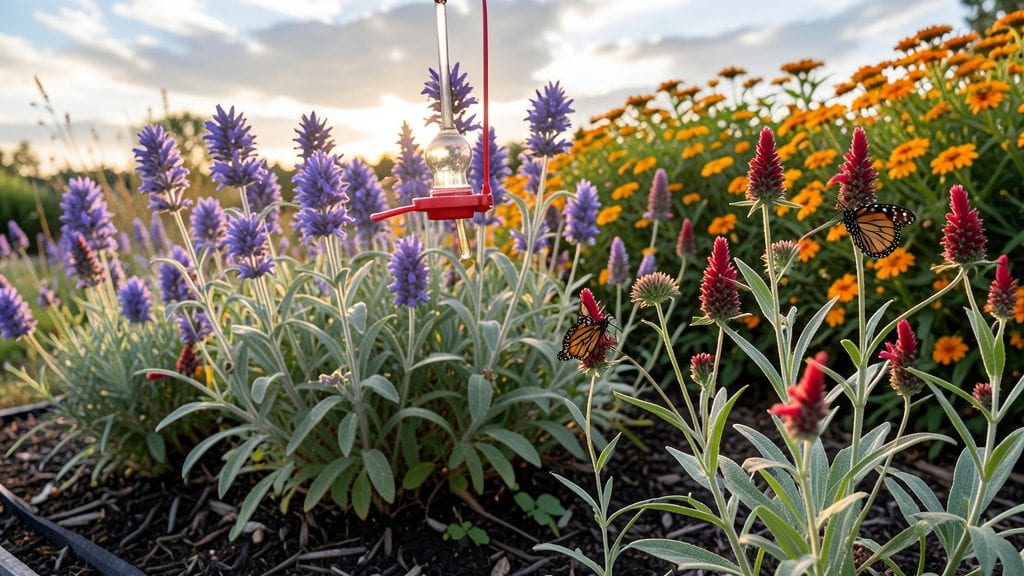
A hummingbird-friendly garden isn’t just about flowers—it’s about creating a buzzing, vibrant ecosystem that keeps these tiny acrobats visiting all season long. 🌸 I learned the hard way that non-native plants won’t cut it; hummingbirds have specific tastes, and my first attempts left them flying elsewhere.
The right native flowers, like bee balm and trumpet honeysuckle, provide the nectar they crave, while their bright colors make your garden a standout stopover.
The secret lies in layering their needs: nectar-rich blooms that open at dawn, perches (think thin branches or trellises), and water sources like shallow dishes with pebbles. My garden now hums with activity from spring through fall, and the best part?
These plants thrive with minimal fuss once established. You’ll see them darting between flowers, their wings a blur, and your yard becomes a sanctuary for these irreplaceable pollinators.
By the end of summer, you’ll have a garden that’s not just beautiful but teeming with life, where every visit from a hummingbird feels like a personal thank-you for the effort.
The payoff is immediate—more blooms, more pollinators, and a front-row seat to nature’s most dazzling aerialists. Let’s get those native plants in the ground and turn your space into their favorite hangout.
This approach works in any climate, from desert landscapes to woodland edges, as long as you pick the right plants for your zone. Whether you’re starting with a single pot or redesigning your entire yard, the principles stay the same: native, nectar-packed, and welcoming.
The hummingbirds will do the rest.
📚 In This Guide
- What you need
- Instructions
- Tips and common mistakes
- Wrapping up and next steps
What you need
- ● Native flowering plants: 5-10 Red columbine (Aquilegia canadensis) (perennial, red/pink blooms)
- ● 3-5 Bee balm (Monarda spp.) (tubular flowers, attracts pollinators)
- ● 2-3 Trumpet honeysuckle (Lonicera sempervirens) (vining, red/orange flowers)
- ● 1-2 Salvia (Salvia spp.) (spikes of blue/purple blooms, drought-tolerant)
- ● Soil amendments: 1 bag compost (for enriching native soil)
- ● 1 bag peat moss or coconut coir (for acid-loving plants like azaleas)
- ● Watering tools: 1 drip irrigation kit (low-flow, adjustable nozzles)
- ● 1 hummingbird feeder (12-14 oz glass, red color preferred)
- ● 1 hand trowel (for transplanting small plants)
- ● 1 pruners (bypass, sharp for clean cuts)
- ● 1 garden hose with spray nozzle (for gentle watering)
- ● 1 measuring tape (to space plants 12-24" apart)
- ● 1 gloves (gardening or work gloves)
- ○ Optional: 1 soil pH tester (to ensure native plants thrive)
- ● 1 bird bath or shallow dish (for drinking water)
- ● 1 deer/rabbit repellent (if pests are a concern)
- ● ✅ Sunlight: At least 6 hours of direct sun daily (hummingbirds love bright spots!)
- ● ✅ Location: Near a window or porch (for easy feeder maintenance)
- ● ✅ Local regulations: Check if native plants are allowed in your area (some regions restrict non-natives).
- ● ✅ Patience: Hummingbirds may take 2-4 weeks to discover your garden!
How to design a hummingbird-friendly garden with native plants
Here's the straightforward approach I've used to transform my yard into a hummingbird hotspot—no fancy tools, just smart plant choices.
🌱 Step 1: Select the Right Native Plants for Year-Round Appeal
Start with plants that bloom at different times to provide nectar from spring through fall. I focus on three key categories: early spring bloomers like Virginia bluebells, mid-season favorites such as bee balm, and late-season stars like goldenrod. These plants are already adapted to your region, so they thrive with minimal fuss.
Look for flowers with red, pink, or purple hues—these colors attract hummingbirds instantly. Avoid white or yellow blooms, which hummers rarely visit. Group plants in clusters of 3-5 per variety to create visible "landing pads" that make it easier for them to feed efficiently.
☀️ Step 2: Position Plants for Maximum Sun and Visibility
Hummingbirds need full sun to partial shade—at least 6 hours of sunlight daily—to keep their metabolism firing. Place taller plants like cardinal flower or trumpet honeysuckle at the back of borders, while shorter bloomers like fuchsia or salvia go in the front. This creates a layered effect that guides hummers through your garden.
Keep plants 3-6 feet apart to allow hummingbirds room to hover and feed without feeling crowded. I also add a few shrubs like elderberry as perches—hummers use these to rest between feeding bouts. Avoid placing feeders near these plants, as the birds will prefer the natural nectar.
💧 Step 3: Ensure Consistent Water Sources
Hummingbirds need fresh water daily, not just for drinking but for bathing. Install a shallow birdbath with rocks or a dripper fountain—these create safe landing spots and moving water catches their attention. Place it in a spot where they can see it from their favorite perches.
Change the water every 2-3 days to prevent mosquito breeding. I place mine near the bee balm cluster, where hummers already visit often. If you notice them avoiding the bath, try adding a few pebbles or floating logs to give them confidence to land.
✂️ Step 4: Maintain Blooms and Keep the Garden Inviting
Deadhead spent flowers weekly to encourage continuous blooming. For example, bee balm produces new blossoms at the top of each stem if you trim back the old ones. I also prune leggy growth in early spring to redirect energy into flower production rather than long, weak stems.
Leave some seed heads standing in late fall—hummingbirds appreciate the extra food source when other blooms fade. A few sunflowers or coneflowers left to mature provide late-season sustenance and attract other pollinators, which hummers rely on for protein.
🪴 Step 5: Add Perches and Shelter for Year-Round Visits
Hummingbirds need safe resting spots away from predators. Thin branches of dogwood or serviceberry shrubs work perfectly. I also hang a few horizontal perches (like small branches tied to stakes) at varying heights—this gives them options based on their comfort level.
Avoid placing feeders or plants near cat-friendly areas—hummers are wary of predators. If you have outdoor cats, keep them indoors during peak hummingbird activity (dawn to dusk). A well-placed dense shrub like arrowwood viburnum can also serve as a natural windbreak and hiding spot.
Tips & tricks for creating a hummingbird haven
Here's what I've learned after years of watching hummingbirds visit my garden—these little details make all the difference.
Color and Cluster Strategy: In Step 1, when selecting plants, focus on bright red, pink, and purple flowers—these colors trigger hummingbirds' feeding instincts. I've noticed they completely ignore white or yellow blooms, no matter how pretty they are. Grouping 3-5 plants of each variety creates visible "landing pads" that make it easier for them to navigate your garden. Think of it like a restaurant with clearly marked tables—hummers will appreciate the organization!
Sunlight is Non-Negotiable: The 6 hours of sunlight daily mentioned in Step 2 is absolutely critical. Hummingbirds are high-energy birds that need consistent sun to maintain their rapid metabolism. If your garden gets less than 6 hours, consider adding a few sun-loving perennials like cardinal flower near a south-facing window or fence where they can get reflected sunlight. I've even seen hummers use glass surfaces as heat sources on cooler days.
Water Feature Placement: When installing your water source in Step 3, position it where hummingbirds can see it from their favorite perches—usually 3-6 feet away from where they're feeding. I place mine near the bee balm cluster because I've observed hummers make a beeline from flowers to water without hesitation. The key is visibility—they need to spot it easily during their rapid feeding flights. Changing water every 2-3 days prevents mosquito breeding while keeping the water fresh and inviting.
Seasonal Layering Secret: For continuous blooms throughout the year, I plant Virginia bluebells in early spring, bee balm in summer, and goldenrod in late summer/fall. This creates a natural progression that keeps hummingbirds visiting from March through October. In late fall, I leave some seed heads from sunflowers or coneflowers standing—they provide extra protein when other flowers fade, and hummers will visit them just like they would any other blooming plant.
Pro Tips for Hummingbird Friendly Garden
- Here's what I've learned after years of watching hummingbirds visit my garden—these little details make all the difference.
- Color and Cluster Strategy: In Step 1, when selecting plants, focus on bright red, pink, and purple flowers—these colors trigger hummingbirds' feeding instincts.
- Sunlight is Non-Negotiable: The 6 hours of sunlight daily mentioned in Step 2 is absolutely critical.
Frequently asked questions
Got questions about creating a hummingbird-friendly garden? You’re not alone! Here are some of the most common queries—and their answers—to help you get started on the right wing.
What’s the best time of year to plant hummingbird-friendly flowers?
For most regions, spring (after the last frost) is ideal for planting perennials and annuals, giving them time to establish roots before summer blooms. If planting in fall, aim for 6-8 weeks before the first frost so they can settle in. Bulbs like trumpet honeysuckle can also be planted in early spring or fall.
Will hummingbirds visit if I don’t have red flowers?
While red is a classic hummingbird magnet, they’re also drawn to pinks, purples, oranges, and even whites (like bee balm or columbine). Focus on tube-shaped blooms and high-energy nectar—color is secondary! Just avoid yellow and green, which they often overlook.
What should I do if hummingbirds aren’t visiting my garden?
First, check for nectar sources—add a hummingbird feeder if flowers aren’t blooming yet. Ensure your plants are native and in full sun (6+ hours/day). Patience is key! It can take 2-4 weeks for them to discover your garden. If you’re in a rural area, they may take longer—try planting early-blooming species like fuchsia to lure them in.
Do I need to fertilize hummingbird plants?
Most native hummingbird plants thrive with minimal fertilization. Over-fertilizing can lead to leafy growth over flowers, which hummingbirds ignore. Instead, use a light, balanced fertilizer (10-10-10) in early spring or mulch to retain moisture. For container plants, a diluted fish emulsion once a month works well.
Are there any non-flowering plants that attract hummingbirds?
Hummingbirds love shrubs like elderberry or oakleaf hydrangea for their long blooming seasons. Vines such as crossvine and trees like willow (for nesting) also help. Even native grasses (like switchgrass) provide shelter. The key is continuous blooms—layer plants to ensure food year-round!
Wrapping up and next steps
Creating a hummingbird-friendly garden is a rewarding way to support these tiny, dazzling pollinators while adding beauty to your outdoor space. 🌸 By choosing native plants, offering nectar-rich flowers, and providing safe habitats, you’ll turn your garden into a buzzing hub for hummingbirds year-round.
The best part? These efforts also benefit your local ecosystem and bring endless joy as you watch these feathered acrobats visit your yard.
Ready to take the next step? Start small—plant a few native species this season and observe the difference! Whether you’re a beginner or a seasoned gardener, every plant makes a difference. Happy gardening! 🌿