
Pruning
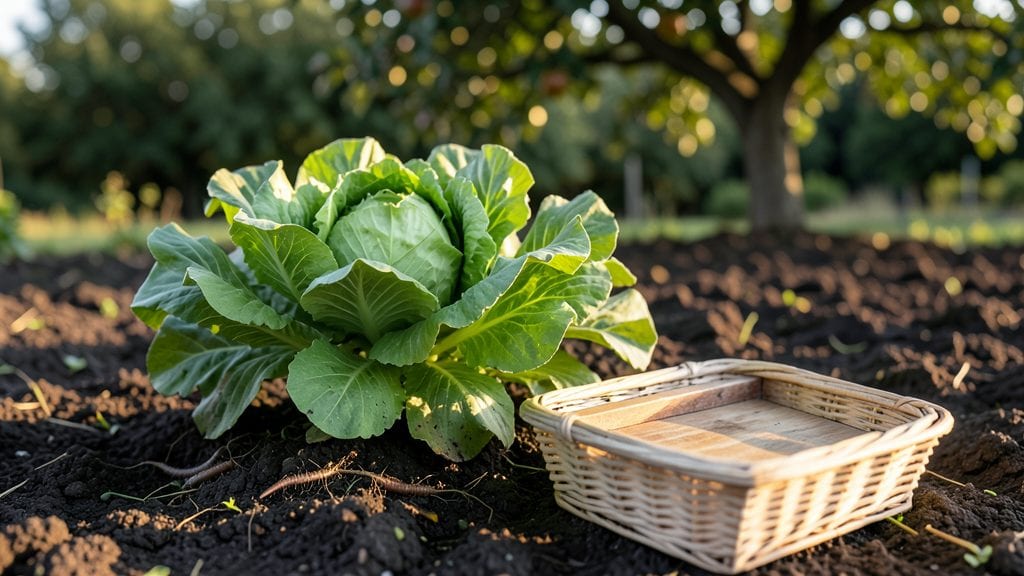
Trimming lettuce from your garden isn’t just about harvesting—it’s the secret to nonstop fresh leaves all season long. ✨ I’ve learned that cutting too much too soon turns a productive plant into a sad stump, but the right technique keeps your lettuce bushy and ready for weeks of salads.
The key is timing: harvest outer leaves when they’re 4-6 inches tall, leaving the inner ones to keep growing.
You only need two things: a pair of clean, sharp scissors or shears (dull blades tear leaves) and a sunny morning to work. Snip just above a leaf’s base at a slight angle—this prevents water from pooling and causing rot.
Most gardeners overlook how much space lettuce needs after trimming; crowding stresses plants and invites pests, so give them room to breathe.
After trimming, water deeply at the base to encourage regrowth, and avoid pulling weeds near the roots—lettuce hates competition.
Within 7-10 days, you’ll see new growth pushing through, and if you repeat this every 2-3 weeks, your lettuce will keep producing tender, crisp leaves until heat or bolting stops it. The first few times might feel awkward, but your confidence will grow with each harvest.
Pro tip: Save the scraps! Toss the trimmed outer leaves into compost or chop them up for a quick nutrient boost in your garden soil. This method works for butterhead, romaine, and leaf lettuce—just avoid it with varieties like iceberg, which don’t regrow well.
Now grab those shears and let’s keep that lettuce growing!
📚 In This Guide
- What you need
- Instructions
- Tips and common mistakes
- Wrapping up and next steps
What you need
- ● Sharp pruning shears or garden scissors – Choose bypass pruners (blades pass by each other) for clean cuts. Look for ergonomic handles (4–6 inches long) and stainless steel or high-carbon blades to prevent rust.
- ● Clean, sharp kitchen knife or chef’s knife – A 8-inch chef’s knife with a serrated or straight edge works best for trimming leaves indoors or in the garden.
- ● Rubbing alcohol (70% isopropyl) or bleach solution – For disinfecting tools before and after use (1 part bleach to 10 parts water).
- ○ Garden gloves (optional but recommended) – Lightweight, nitrile-coated gloves protect hands from thorns (like in romaine) and dirt.
- ● Plastic or metal bowl/tray – A large, shallow container (12+ inches wide) to collect trimmed leaves and prevent mess.
- ● Water spray bottle – A 16-ounce misting bottle helps rinse off dirt and keep lettuce fresh during trimming.
- ○ Pruning saw (for thick stems, optional) – Only needed if harvesting large, woody lettuce varieties (e.g., romaine with thick bases).
- ● Hands-free pruning tool – A loop-style trimmer or ergonomic handle attachment for shears reduces hand strain.
- ● Compost bin or bag – For disposing of outer leaves or damaged foliage (rich in nutrients!).
- ● Food-safe cutting board – A 12x18-inch plastic or bamboo board for trimming indoors.
- ● Plant markers or labels – If you’re experimenting with cut-and-come-again regrowth, mark harvested plants to track growth cycles.
- ● Sun hat and sunscreen – Because no one wants a sunburn while harvesting their garden bounty! 😎
Step-by-Step instructions for trimming lettuce from garden
Keep your lettuce thriving with these simple, foolproof trimming techniques.
✂️ Step 1: Choose the Right Time and Tools
Trim lettuce in the early morning when leaves are crisp and dew has evaporated. This ensures clean cuts and prevents disease spread. Grab your sharp pruning shears—dull blades crush stems instead of cutting cleanly, inviting rot.
I always sanitize my tools with a 10% bleach solution before trimming. Let them air-dry completely to prevent bacterial contamination. Avoid using kitchen scissors or knives—garden tools are designed to handle tougher plant tissue without tearing.
✂️ Step 2: Identify the Cutting Points
Look for the outermost leaves that are 1-2 inches wide—these are ready for harvest. Avoid cutting into the inner rosette where new growth emerges. This ensures your lettuce keeps producing fresh leaves while staying compact.
For loose-leaf varieties like romaine or buttercrunch, you can harvest individual leaves as they mature. For head lettuce like iceberg or crisphead, wait until the entire head is firm before cutting. Watch for yellowing or wilted edges—these are signs the leaf is past its prime.
✂️ Step 3: Make Clean, Precision Cuts
Hold the lettuce leaf firmly with one hand and position the blade at a 45-degree angle, about ¼ inch above the next leaf. This angled cut prevents water from pooling on the stem, which can cause rot. Use a single, smooth motion—don’t saw back and forth.
For head lettuce, cut the entire head ½ inch above the base using a serrated knife for a clean break. Leave the bottom 2-3 inches of stem intact to encourage regrowth. If you’re harvesting multiple leaves, work from the outside in to avoid damaging the center.
🌱 Step 4: Post-Trimming Care for Regrowth
After trimming, water the base of the plant deeply to help it recover. Lettuce roots are shallow, so 1 inch of water should soak the soil evenly. Avoid overhead watering—wet leaves attract pests and diseases, especially in humid conditions.
If your lettuce bolts (sends up a flower stalk), trim the stalk just above the first true leaf to encourage side shoots. For heat-stressed plants, provide afternoon shade with a floating row cover or shade cloth to prevent bolting. You’ll see new growth within 3-5 days if conditions are right.
🌿 Step 5: Store and Use Trimmed Leaves
Rinse harvested leaves in cool water to remove dirt, then pat dry with a clean kitchen towel. Store them in a ventilated container lined with a paper towel to absorb moisture. Keep them in the crispest drawer of your fridge—this is usually the one with the highest humidity setting.
Use trimmed leaves within 5-7 days for peak freshness. For longer storage, blanch and freeze them. Drop leaves into boiling water for 30 seconds, then plunge into ice water to stop cooking. Drain, dry, and pack into freezer bags for up to 3 months.
Tips & tricks for perfect lettuce trimming
Here's what nobody tells you—these tricks will keep your lettuce producing fresh leaves for weeks.
The Right Time is Everything: Early morning trimming isn't just about crispness—it's about preventing disease. Dew on leaves creates a perfect breeding ground for bacteria when you cut. I've seen lettuce rot within days after afternoon trimming because the leaves stayed damp overnight. If you must trim later, wait until leaves are completely dry.
Tool Sharpness Saves Your Harvest: Dull pruning shears don't just make messy cuts—they crush plant tissue, inviting rot. Test your tools by cutting a piece of paper; if it tears instead of cleanly slicing, sharpen or replace them. I keep a small file in my gardening toolkit just for this purpose. For head lettuce, a serrated knife gives you that clean break without tearing the stem.
Angle Matters More Than You Think: That 45-degree angle in Step 3 isn't just for looks—it creates a sloped cut that prevents water from pooling on the stem. When water sits on the cut surface, it can cause bacterial growth that leads to rot. Think of it like roofing: water runs off smoothly when you angle it properly. This simple technique can extend your lettuce's productive life by up to 2 weeks.
Regrowth Hack for Continuous Harvest: When trimming head lettuce, leave those bottom 2-3 inches of stem intact—it's the plant's growth engine. I've seen lettuce heads produce 3-4 harvests when cut properly this way. For bolted plants, cutting just above the first true leaf redirects the plant's energy to side shoots rather than the flower stalk. It's like hitting the plant's reset button!
Pro Tips for Trim Lettuce From Garden
- Here's what nobody tells you—these tricks will keep your lettuce producing fresh leaves for weeks.
- The Right Time is Everything: Early morning trimming isn't just about crispness—it's about preventing disease.
- Tool Sharpness Saves Your Harvest: Dull pruning shears don't just make messy cuts—they crush plant tissue, inviting rot.
Frequently asked questions
Got questions about trimming lettuce like a pro?
Here are answers to the most common queries—so you can harvest with confidence and keep your garden thriving!
What’s the best tool for trimming lettuce?
Use sharp garden shears or a clean kitchen knife for precision. Avoid dull tools—they crush leaves and invite pests. For large batches, a pruning saw with fine teeth works well. Pro tip: Sterilize blades with rubbing alcohol between cuts to prevent disease!
When is the best time to harvest lettuce?
Trim outer leaves when they’re 4–6 inches tall (about 30–45 days after planting). For loose-leaf varieties, harvest as needed. Head lettuce should be cut at the base when fully formed. Morning harvests yield crispest leaves—avoid trimming after rain or heat stress!
Will trimming lettuce make it grow back?
Yes! Cutting 1–2 inches above the base encourages regrowth in loose-leaf varieties (like romaine or buttercrunch). For head lettuce, trimming outer leaves lets the center mature. Avoid cutting the inner heart—this stunts growth. With proper care, you’ll get 2–3 harvests per plant!
What do I do if my lettuce bolts or tastes bitter?
Bolting (sending up flowers) happens with heat stress or long days. To fix it:
- Shade cloth (30–50%) blocks excess sun.
- Harvest early in cool seasons (spring/fall).
- Avoid overcrowding—thin seedlings for airflow.
Can I trim lettuce and still use the whole plant?
Loose-leaf lettuce
can be harvested leaf by leaf—just snip outer leaves and leave the rest. For head lettuce, cut the entire head at the base. Stems and roots are edible too—chop finely for salads or sauté like celery! Bonus: Compost trimmings to enrich your soil.
Wrapping up and next steps
Trimming your garden lettuce isn’t just about harvesting fresh leaves—it’s an art that keeps your plants thriving and your kitchen stocked! 🌱 With the right tools, timing, and technique, you’ll enjoy crisp, flavorful greens while encouraging your lettuce to regrow like a pro.
Whether you’re a seasoned gardener or just starting, every snip brings you closer to a bountiful harvest.
Now that you’re armed with the secrets to perfect trimming, take action! Grab your shears, head to the garden, and give your lettuce the care it deserves. Happy trimming—and may your salads always be full! 🥗✨