
Pests
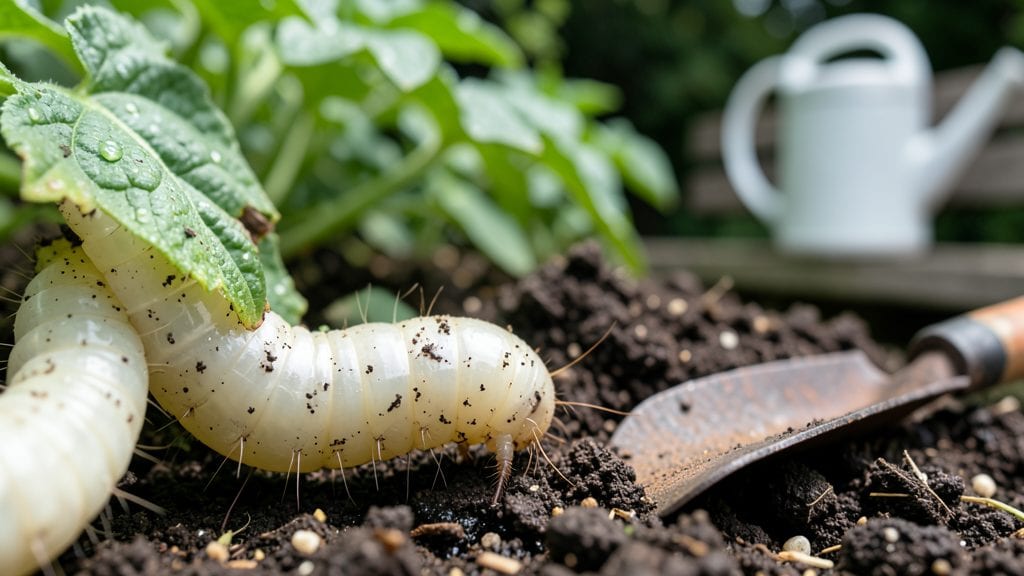
Removing grubs from your vegetable garden starts with knowing exactly where they hide. 🌱 I’ve dug up more of these white, C-shaped pests than I care to admit—especially after they turned my prized tomato plants into skeleton leaves overnight.
The good news? You can eliminate them in under an hour without harsh chemicals, and your plants will thank you.
Grubs thrive in moist, organic-rich soil, often near the roots of your favorite veggies. Look for wilting plants, chewed leaves, or tunnels in the soil—those are their calling cards. The fastest fix is manual removal: dig up the soil, spot the grubs, and toss them in soapy water.
For larger gardens, beneficial nematodes are a game-changer—they hunt grubs naturally and work even in raised beds.
By the end of this process, your garden will bounce back faster than you think. Roots stay intact, plants recover their vigor, and you avoid the heartbreak of lost harvests.
The key is acting fast—once grubs move deeper into the soil, they’re harder to reach. Let’s get those pests out for good.
This method works in backyard gardens, containers, and even community plots. The secret? Healthy soil makes plants resilient enough to fight back. Here’s how to make it happen without a single chemical spray.
The Hidden Causes of Grub Infestations
Grubs—those squiggly, C-shaped larvae of beetles—can turn your thriving vegetable garden into a battleground overnight. But why do they show up in the first place? The answer lies in a mix of environmental factors, human habits, and the natural life cycles of these pests.
Understanding these causes is the first step to preventing (and eliminating) them. Let’s dig into the science behind the invasion.
Grubs don’t just appear randomly—their parents, Japanese beetles or other scarab beetles, are drawn to your garden like a buffet. These beetles lay eggs in loose, moist, well-drained soil rich in organic matter, which is exactly what a healthy vegetable garden provides.
Here’s why your soil might be a grub magnet:
- High Organic Matter: Compost, mulch, and decomposed plant material create the perfect nursery. Beetles sniff out nitrogen-rich soil (like that from fresh manure or leaf litter) to lay their eggs. - Moisture Retention: Grubs thrive in soil that stays damp but isn’t waterlogged.
Overwatering or poor drainage can turn your garden into a grub paradise. - Lawn Adjacent to Garden Beds: If your veggie patch borders a lawn, you’re in trouble. Japanese beetles love laying eggs in grassy areas, and grubs will migrate to nearby garden soil as they mature.
💡 Pro Tip: Avoid over-tilling or heavily amending soil with fresh organic matter before beetle season (late spring to early summer). Instead, use aged compost or cover crops to reduce the appeal.
Grubs aren’t a year-round problem—they follow a predictable life cycle tied to seasonal beetle activity. Here’s how it plays out:
| Stage | When It Happens | What’s Happening |
|---|---|---|
| Adult Beetles | Late May–July | Beetles emerge, feed on leaves, and mate. Females lay eggs 1–2 inches deep in soil. |
| Eggs | 1–2 weeks after laying | Eggs hatch into grubs in 7–10 days. |
| Grubs (L1–L3) | Summer–Fall | Grubs feed on roots, growing larger each stage (up to 1.5 inches long). |
| Pupation | Late Fall–Winter | Grubs burrow deeper, overwinter, then pupate into adult beetles the next spring. |
⚠️ Warning: If you’ve had grubs before, the beetles (and their eggs) are likely returning next year. Breaking the cycle requires early intervention—more on that later!
A messy garden isn’t just unsightly—it’s an open invitation for grubs. Here’s how neglect fuels the problem:
- Dead Plant Debris: Leaving old roots, weeds, or mulch piles provides shelter and food for grubs. Beetles also use these areas to hide while laying eggs. - Over-Fertilized Soil: Excess nitrogen (from synthetic fertilizers or manure) makes soil too appealing.
Grubs prefer a balanced diet, but too much nitrogen = more eggs laid. - Lack of Rotation: Planting the same crops (especially corn, potatoes, or beans) in the same spot year after year gives grubs a familiar food source, encouraging beetles to return.
🔥 Quick Fix: Clear debris after harvest, rotate crops annually, and avoid heavy nitrogen applications in late spring.
Sometimes, well-meaning gardening practices accidentally create grub hotspots. Watch out for:
- Overwatering: Grubs need moisture but hate soggy soil. Frequent light watering (rather than deep soaks) keeps the topsoil ideal for egg-laying. - Heavy Foot Traffic: Compacted soil from walking on beds can smother beneficial predators (like birds or ground beetles) that would otherwise eat grub eggs. - Ignoring Early Signs: Yellowing plants, wilting leaves, or chewed roots are red flags.
By the time you see mounds of castings (from skunks or moles digging up grubs), the infestation is already severe.
🎯 Prevention Hack: Walk on board paths to avoid compacting garden soil, and inspect plants weekly for early signs of root damage.
Not all gardens are equal—some areas are grub hotspots due to: - Warm, Humid Climates: Southern states (like the Southeast U.S.) see higher Japanese beetle populations because they thrive in heat and moisture. - Drought Followed by Rain: Dry spells stress plants, making them more vulnerable.
When rain returns, beetles swarm to lay eggs in suddenly moist soil. - Nearby Forests or Grasslands: Wild beetles migrate from natural areas, especially if your garden is a high-value food source (think: lush tomatoes or squash).
🌡️ Regional Tip: If you’re in a known grub-prone area (check your local extension office for reports), start preventive treatments in early June before beetles peak.
Grubs don’t invade randomly—they’re drawn by rich soil, moisture, and the right timing. The good news? Knowing these triggers lets you outsmart them. In the next section, we’ll cover organic removal methods that disrupt their life cycle fast—without chemicals. 🚀
Quick Fixes for Grub Problems
Now that you know why grubs are wreaking havoc in your vegetable garden, let’s tackle the problem head-on with practical, organic solutions. Grubs thrive in moist, well-fertilized soil, but with the right approach, you can evict them in under an hour—without harsh chemicals.
Below are targeted fixes based on the root cause of your grub infestation, plus prevention tips to keep them from returning.
Grubs feast on roots, leaving plants weak, yellow, or uprooted. Act fast to save your veggies!
🍳 Step 1: Handpick the Culprits (Best for Small Gardens)
- Water the soil lightly in the evening to bring grubs to the surface.
- Gently loosen the top 2–3 inches of soil with a hand trowel or fork.
- Spot grubs (white, C-shaped larvae) and drop them into a bucket of soapy water—they’ll drown instantly. - Pro tip: 💡 Do this after rain or watering when grubs are most active.
👨🍳 Step 2: Use a Grub Trap (DIY or Store-Bought)
- DIY Trap: Bury a shallow container (like a plastic tray) filled with beer or yeast-water mix.
Grubs are attracted to the smell and drown. - Store-Bought: Products like Milky Spore (a natural bacteria) or beneficial nematodes (Heterorhabditis bacteriophora) target grubs underground.
🥘 Step 3: Encourage Natural Predators Grubs have enemies!
Invite them to your garden: - Birds: Install a birdhouse or feeders for robins, starlings, and thrushes—they love grubs. - Toads & Frogs: Create a small pond or shallow water feature to attract them. - Ground Beetles & Spiders: Leave leaf litter or mulch in undisturbed areas.
If your lawn is a grub buffet, they’ll migrate to your veggies. Stop the spread!
🔪 Step 1: Solarize the Soil (For Severe Infestations)
- Water the affected area thoroughly.
- Cover with clear plastic (like a tarp) for 4–6 weeks in hot sun. The heat kills grubs and eggs.
- Warning: ⚠️ Only do this in dry, sunny weather—wet soil won’t heat enough.
🌡️ Step 2: Apply Organic Nematicides
- Beneficial Nematodes: Mix Steinernema carpocapsae or Heterorhabditis into water and apply in the evening. They seek out grubs and release bacteria that kill them.
- Neem Oil: Spray neem oil on soil (not plants) to disrupt grub life cycles.
Reapply every 2 weeks.
🎯 Step 3: Adjust Watering & Fertilizer Habits
Grubs love overwatered, nitrogen-rich soil. Fix this by:
- Watering deeply but less often (grubs hate dry spells).
- Using slow-release organic fertilizer (like compost or worm castings) instead of synthetic nitrogen.
Once you’ve removed the grubs, stop them from coming back with these habits:
| Problem | Solution |
|---|---|
| Compacted Soil | Aerate soil yearly with a garden fork or core aerator. |
| Overwatering | Water in the morning; let soil dry slightly between waterings. |
| Excess Nitrogen | Use balanced organic fertilizers (like 5-5-5) or compost. |
| Grass Clippings | Avoid leaving grass clippings near veggie beds (they attract grubs). |
| Weak Plants | Plant grub-resistant crops like onions, garlic, chives, and marigolds. |
Final Pro Tip: 🌱 Rotate crops annually and interplant with herbs (like thyme or rosemary)—grubs dislike their strong scents!
With these methods, your vegetable garden will be grub-free in no time, and your plants will thrive without chemical intervention. Happy gardening! 🥬🌿
Frequently asked questions
How do I know if my vegetable garden has grubs?
Look for wilting plants, chewed roots, or tunnels in the soil. If you dig up a plant and see white, C-shaped larvae feeding on roots, that’s your answer! Also check for skunk or mole activity—they dig up grubs when populations explode.
Can I use coffee grounds to repel grubs?
Coffee grounds can help short-term by making soil slightly acidic, but they’re not a reliable grub killer. For better results, mix neem cake or beneficial nematodes into the soil instead. Coffee grounds work best as a mulch additive to improve soil health.
Will chickens eat grubs in my garden?
Chickens love grubs and will happily dig them up. Let them free-range in your garden for 10–15 minutes daily to keep populations low. Just supervise them to avoid root damage—chickens can be heavy-footed! For best results, use tractor-feeding in small sections.
How often should I reapply beneficial nematodes?
Apply nematodes every 4–6 weeks during grub season (spring to fall). For severe infestations, do a second treatment 2 weeks after the first. Always apply in the evening when soil is moist but not soggy—this gives them time to hunt before drying out.
Are there any plants that naturally repel grubs?
Yes! Plant marigolds, garlic, chives, or thyme near your veggies—their strong scents deter grubs. Another trick: interplant with nasturtiums, which act as a trap crop to lure grubs away from your main plants.