
Pests
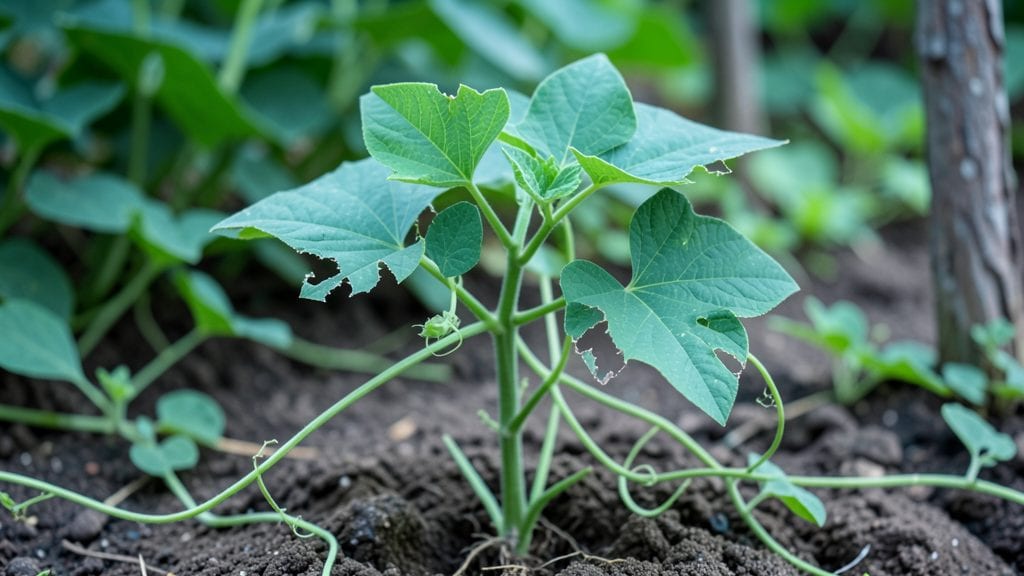
To prevent groundhogs from eating your garden, use repellents like castor oil-based sprays, motion-activated sprinklers, or fencing buried at least 12 inches deep. Planting strong-smelling herbs (garlic, mint) around vulnerable areas also deters them by masking scent trails.
Groundhogs are drawn to gardens primarily because of tender young shoots and the scent of fresh soil—spring and summer are their peak feeding seasons.
These burrowing rodents don't just nibble; they uproot plants and create tunnels that destabilize entire garden beds. 💛 The key to stopping them isn't just one tactic but a layered approach combining physical barriers, scent confusion, and automated deterrents.
For example, castor oil repellents work by making their food taste bitter, while motion-activated sprinklers create an unpredictable threat that scares them off without harming them.
Many gardeners overlook how scent plays a role—groundhogs rely heavily on smell to locate food. That's why planting herbs like rosemary or thyme near high-risk areas can be just as effective as commercial sprays.
The best systems combine multiple methods: burying hardware cloth fencing to block burrowing, placing predator urine stations to create false threats, and regularly refreshing natural deterrents every few weeks to maintain effectiveness.
💡 In This Article
- Why Groundhogs Target Gardens and How They Damage Plants
- Top-Rated Groundhog Deterrents: Effectiveness and Application Tips
Why groundhogs target gardens and how they damage plants
Groundhogs, also called woodchucks, are crepuscular feeders with an insatiable appetite for young, tender plant growth.
Their diet focuses on new shoots, leaves, and roots because these contain higher moisture and nutrient levels than mature plants. 🌱 Scientifically, this preference stems from their need for high-energy foods during breeding season (spring) and lactation (early summer), when their metabolic demands peak.
A single groundhog can consume up to 8 pounds of vegetation daily, making gardens an all-you-can-eat buffet.
Their digging behavior is equally destructive. Groundhogs create burrow systems with multiple entrances, often 3-5 feet deep and 10-15 feet long. These tunnels destabilize soil structure, sever root systems, and create pathways for other pests. The damage isn't just cosmetic—it's systemic.
When they uproot plants, they expose the entire root ball to drying winds and fungal infections. The worst offenders? Lettuce, beans, and young tomato plants, which they can decimate in just 24-48 hours.
Scent plays a critical role in their targeting behavior. Groundhogs have a Jacobson's organ in their palate that detects pheromones and chemical cues in soil and plants. When one groundhog marks a garden with urine or claw marks, it sends a signal to others: "Food here!"
This communal feeding behavior explains why you might see multiple burrows in one area. The scent trails also guide them back to successful feeding sites, creating a feedback loop that makes prevention challenging.
Seasonality amplifies the problem. Groundhogs are most active from March through September, with peak activity during dawn and dusk. Spring is their breeding season, and females need extra protein-rich vegetation to support their young. Summer's warm temperatures also make plants more succulent.
What most gardeners don't realize is that groundhogs will return to the same garden year after year if they find success, making early intervention crucial before they establish scent trails.
Here's what actually happens when they dig: Their powerful front claws can slice through 1/4-inch thick roots with ease. They'll often dig a small pit, then sit back and eat the exposed roots like chips.
The visual damage is just the beginning—the real harm comes from the compaction and aeration disruption in the soil. This is why some gardeners notice plants wilting even after the groundhog is gone: the soil structure is permanently altered.
The most effective prevention starts with understanding their three-phase attack pattern:
- Phase 1 (Scouting): They'll sniff and circle your garden for 3-5 days before committing to a feeding site
- Phase 2 (Marking): Successful feeding triggers scent-marking within 24 hours, signaling other groundhogs
- Phase 3 (Destruction): Within 7-10 days, you'll see visible damage if no deterrents are in place