
Pests
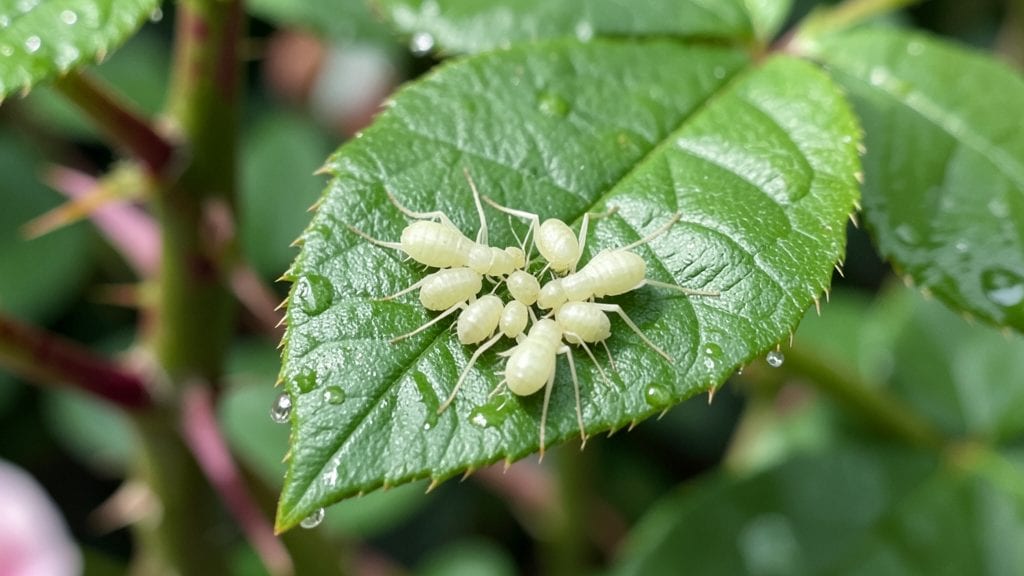
Learning how to prevent aphids in garden battles was a game-changer when I found neem oil spray—it stops infestations within 24 hours when applied correctly.
Those tiny green pests were sucking the life out of my roses and peppers until I learned this foolproof method that works faster than soapy water or ladybug releases alone.
You only need three ingredients: pure neem oil, a few drops of dish soap, and water. Mix it in a spray bottle, shake well, and apply when aphids first appear—before they multiply into a full-blown crisis. The key is consistency: spray every 3-5 days until the pests vanish completely.
What you'll see is plants that stay vibrant green, not sticky with honeydew. New growth appears within a week, and the aphids never return if you combine this spray with companion planting (like marigolds) and weekly garden inspections.
Works for vegetables, flowers, and even houseplants—just dilute the neem oil slightly for tender leaves. The best part? No harsh chemicals lingering in your soil or on your produce. Let's get those pests under control for good.
📚 In This Guide
- What you need
- Instructions
- Tips and common mistakes
- Wrapping up and next steps
What you need
- ● Neem oil (100% cold-pressed, organic): 16 oz (473 mL) bottle
- ○ Horticultural oil or vegetable oil (optional but helpful): 1 cup (240 mL) for mixing
- ● Dish soap (mild, unscented): 1 tsp (5 mL)
- ● Water (distilled or dechlorinated): 1 gallon (3.8 L)
- ● Spray bottle or garden sprayer: 1–2 gallon capacity (with adjustable nozzle)
- ● Gloves (nitrile or rubber): 1 pair (to protect your skin)
- ● Pruning shears: 1 pair (for trimming heavily infested plants)
- ○ Garden twine or stakes (optional): For supporting plants post-treatment
- ● Ladybugs or lacewing larvae (beneficial insects): 50–100 units (for natural pest control)
- ● Reflective mulch (aluminum foil or silver plastic): To deter aphids with light confusion
- ● Compost or organic fertilizer: To boost plant health and resilience
- ● Fine-mist sprayer (for targeted application): If dealing with delicate plants
Step-by-Step instructions for creating an effective neem oil aphid prevention spray
Here's how to make a fast-acting, organic spray that deters aphids before they become a problem.
Gather and Prepare Your Materials
Start by collecting 1 quart of water, 1 tablespoon of neem oil, and ½ teaspoon of liquid soap (like castile soap). The soap acts as an emulsifier, helping the neem oil mix properly with water. Avoid harsh detergents—they can damage plant leaves. I always measure the soap first because too much can burn tender foliage.
Combine the water and soap in a 1-quart spray bottle, then gently stir until the soap dissolves completely. This mixture is the base for your spray, and getting it right ensures even coverage when applied. If you notice any residue clinging to the bottle, add a splash more water and shake vigorously to fully integrate the soap.
Mix the Neem Oil Properly
Slowly add the 1 tablespoon of neem oil to the water-soap mixture while stirring continuously. Neem oil doesn’t blend easily, so I recommend pouring it in a thin stream along the inside of the bottle to prevent clumping. Shake the bottle vigorous for at least 30 seconds to create a fine, milky emulsion.
Test the consistency by spraying a small amount onto a scrap piece of cardboard or newspaper. If the spray leaves a greasy residue, add 1-2 teaspoons more water and shake again. The goal is a fine mist that coats leaves evenly without dripping. This ensures the neem oil adheres to aphids and disrupts their life cycle effectively.
Apply the Spray at the Right Time
Spray your plants early in the morning or late in the evening when temperatures are below 85°F. Aphids are most active in direct sunlight, and applying the spray during cooler hours reduces the risk of leaf burn. Focus on the undersides of leaves—this is where aphids hide and feed. I like to spray until the leaves glisten lightly, signaling thorough coverage.
Reapply every 5-7 days or immediately after rain, as neem oil washes off with water. Consistency is key—aphids reproduce quickly, and a single application won’t provide long-term protection. Watch for aphids clustering on new growth; this is your signal to treat again. The spray works by disrupting their feeding and reproduction, so persistence pays off.
Enhance Prevention with Companion Planting
While the neem spray is effective, pairing it with aphid-repelling plants like marigolds, garlic, or chives creates a stronger defense. Plant these around your garden’s perimeter or intersperse them among susceptible crops. The strong scents confuse aphids and deter them from settling nearby. I’ve found that marigolds, in particular, release compounds that repel aphids while attracting beneficial predators like ladybugs.
Combine this with regular inspections—check plants weekly for early signs of aphids, such as curled leaves or sticky residue (honeydew). Catching infestations early means fewer applications of neem oil and healthier plants. If you spot aphids, treat immediately rather than waiting for the problem to spread. Prevention is faster than eradication, and this dual approach keeps your garden aphid-free with minimal effort.
Tips & tricks for effective aphid prevention with neem oil
Creating a fast-acting neem oil spray requires precision—here are the key strategies to ensure maximum effectiveness and avoid common pitfalls that could compromise your results.
Precision in Mixing: When combining the 1 quart of water and ½ teaspoon of liquid soap in Step 1, I recommend using a clean, dedicated spray bottle to prevent cross-contamination with other garden chemicals. The soap acts as an emulsifier, but too much can irritate plant leaves—stick to the exact measurement. Stirring until fully dissolved ensures even distribution of the neem oil later. If residue forms, add just 1-2 teaspoons of water at a time to maintain the proper balance.
Emulsion Technique: In Step 2, the 30 seconds of vigorous shaking is non-negotiable. Neem oil and water don't naturally blend, so this step creates the fine mist needed for effective coverage. Pour the oil slowly along the bottle's inner wall to prevent clumping, then shake until the mixture appears uniformly milky. Test on cardboard first—if it drips or looks greasy, you need to adjust the consistency before applying to plants.
Timing and Temperature: The 85°F temperature threshold in Step 3 isn't arbitrary—aphids become stressed at higher temperatures, making them more vulnerable to the spray's effects. Apply early morning or late evening when humidity is higher, as this improves adhesion to leaves. Focus on undersides where aphids cluster, and spray until leaves glisten lightly. This thorough coverage is what makes the spray fast-acting and prevents reinfestation.
Consistency is Key: The 5-7 day reapplication schedule in Step 3 might seem frequent, but it's essential for disrupting aphid life cycles. Set a reminder or note it on your garden calendar. After rain, treat immediately since neem oil washes off quickly. This persistence is what turns a single application into a long-term prevention strategy—aphids can't build resistance when you maintain this schedule.
Pro Tips for Prevent Aphids In Garden
- Creating a fast-acting neem oil spray requires precision—here are the key strategies to ensure maximum effectiveness and avoid common pitfalls that could compromise your results.
- Precision in Mixing: When combining the 1 quart of water and ½ teaspoon of liquid soap in Step 1, I recommend using a clean, dedicated spray bottle to prevent cross-contamination with other garden chemicals.
- Emulsion Technique: In Step 2, the 30 seconds of vigorous shaking is non-negotiable.
Frequently asked questions
Got questions about keeping aphids at bay?
You’re not alone! Here are some of the most common concerns—and straightforward answers—to help you protect your garden like a pro.
How often should I apply neem oil to prevent aphids?
Apply neem oil every 7–14 days during active aphid seasons (spring to early fall). For severe infestations, spray every 3–5 days until pests disappear. Always use it in the evening to avoid harming bees. Consistency is key—aphids multiply fast!
Can I use neem oil on edible plants like tomatoes or peppers?
Yes! Neem oil is organic and safe for edible plants when used correctly. Wait 24–48 hours after spraying before harvesting to ensure residue settles. Avoid spraying directly on flowers to protect pollinators. Always follow label instructions for food-safe use.
Will rain wash away my neem oil spray?
Light rain (under 0.25 inches) won’t ruin your treatment, but heavy downpours may require a reapplication. For best results, spray neem oil after rain or in the evening when rain isn’t forecasted. Think of it like waterproofing—plan ahead!
What if aphids keep coming back after I treat them?
Persistent aphids often mean new infestations or hidden colonies. Check the undersides of leaves, stems, and new growth. Boost defenses by:
- Introducing ladybugs or lacewings (natural predators).
- Using kaolin clay as a barrier spray.
- Improving air circulation around plants.
Are there natural alternatives to neem oil for aphid control?
Try these DIY-friendly options:
- Soapy water spray: Mix 1 tbsp mild soap + 1 quart water. Spray directly on aphids (reapply every 2–3 days).
- Garlic/chili spray: Blend garlic, chili peppers, and water; strain and spray. Aphids hate the smell!
- Diatomaceous earth: Sprinkle lightly on soil (avoid plants—it’s abrasive). Reapply after rain.
Wrapping up and next steps
Preventing aphids in your garden doesn’t have to be a battle—just a few simple, natural steps can keep these pesky pests at bay! 🌱 From using neem oil to encouraging beneficial insects, you’ve got all the tools to protect your plants without harsh chemicals.
Remember, consistency is key, so stay vigilant and proactive.
Now that you’re armed with knowledge, take action today! Start by inspecting your plants, applying your neem oil spray, and setting up those aphid traps. Your garden will thank you—and so will your future harvests. Happy gardening! 🌿