
Pests
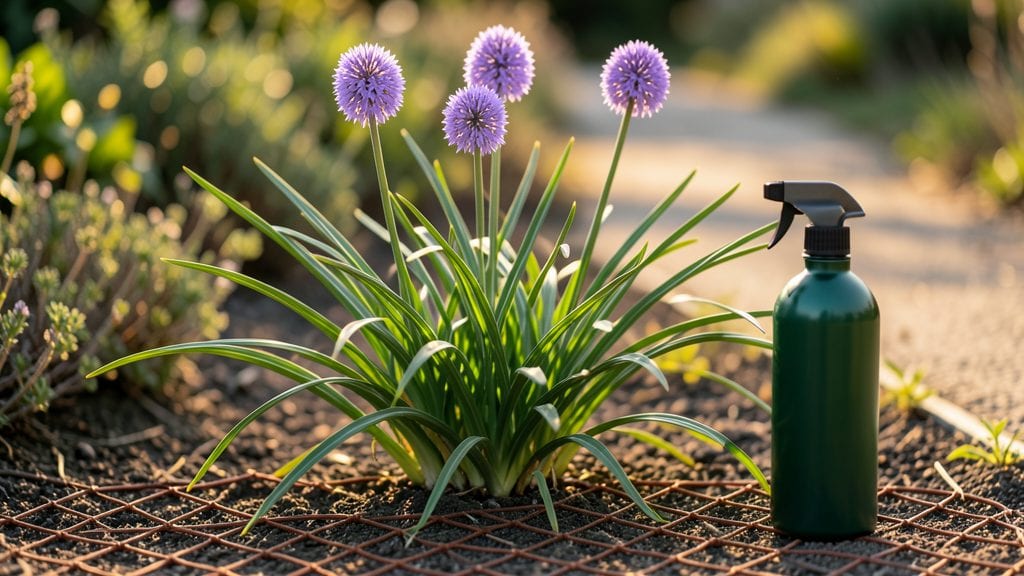
Learn how to keep wildlife away from garden—because my once-bountiful plot became a deer’s salad bar, raccoons’ playground, and squirrels’ all-you-can-steal buffet. Scent-based barriers changed everything by using natural smells animals hate, like garlic, predator urine, or citrus peels, to create invisible shields around plants.
The best part? These methods work without harming the creatures causing the chaos. 🌿
You’ll need just a few supplies: cotton balls for soaking repellents, spray bottles for homemade mixtures, and some old garden gloves. I’ve tested everything from commercial sprays to DIY recipes using cayenne pepper and vinegar—all proven to keep critters at bay for weeks.
The key is reapplying after rain, and choosing scents that target your specific pests (deer hate lavender, while rabbits avoid hot peppers).
Within days, you’ll notice fewer tracks in the soil and less damage to your plants. The garden will start looking like yours again—neat rows of vegetables, unchewed flowers, and peace of mind knowing you’re not using traps or poisons.
Plus, these methods work for urban yards, rural fields, and everything in between.
Regional tweaks matter: In the South, you might focus on repelling armadillos with ammonia-soaked rags, while in the West, coyote urine deters deer. The beauty of scent barriers is they adapt to whatever’s munching in your area—no guesswork, just results.
Let’s get started with what’s worked for me (and saved my tomatoes).
📚 In This Guide
- What you need
- Instructions
- Tips and common mistakes
- Wrapping up and next steps
What you need
- ● Castor oil – 1 quart (for homemade repellent spray)
- ● Garlic or hot peppers – 1 head or 1 cup (for spicy repellent blends)
- ● Dish soap – 1 tablespoon (helps bind ingredients in sprays)
- ● Water – 1 gallon (base for all sprays)
- ● Spray bottles – 2-3 (16 oz each, for easy application)
- ● Gloves – 1 pair (to handle strong-smelling ingredients safely)
- ● Hose or watering can – For larger outdoor applications
- ● Commercial wildlife repellent (e.g., Bobby’s Liquid Fence)
- ● Eucalyptus or citrus peels – For natural scent-based deterrents
- ● Motion-activated sprinklers – For extra protection
- ● Fencing or netting – As a physical backup barrier
Step-by-Step instructions for creating scent-based wildlife barriers
Here's the straightforward method I've used to protect gardens from critters—no traps or harsh chemicals, just smart scent strategies.
🌱 Step 1: Identify Problem Areas and Target Wildlife
First, observe where wildlife is causing damage. Look for chewed leaves, dug-up soil, or droppings—these are your clues. Deer often graze near property edges, rabbits nibble low-growing plants, and squirrels target fruit trees or bird feeders. I've found that deer and rabbits respond best to strong scents, while squirrels and chipmunks are deterred by spicy or citrus aromas.
Write down the specific areas you need to protect. For example, if rabbits are munching your lettuce, focus on the garden bed edges. If deer are browsing your hostas, create a perimeter around the entire planting area. This targeted approach ensures you're not wasting repellent on spots that don't need it.
💧 Step 2: Apply Natural Scent Barriers
Use strong-smelling plants like rosemary, lavender, or marigolds around garden edges. I plant these in a 1-foot-wide band along property lines or vulnerable beds because their natural oils create a scent barrier that many wildlife species dislike. For immediate protection, spray diluted hot pepper wax (1 tablespoon cayenne pepper + 1 quart water) on leaves and soil—this creates a spicy barrier that repels deer and rabbits.
For fruit trees or raised beds, place commercial wildlife repellents like liquid fencing or predator urine (available at garden centers) according to package instructions. Reapply every 7-10 days or after rain, as scents wash away quickly. The key is consistency—wildlife learns to avoid areas with strong, unpleasant smells.
☀️ Step 3: Refresh and Rotate Scents Seasonally
Every 2-3 weeks, reapply scents or rotate between different repellents to prevent wildlife from becoming accustomed to them. I switch between citrus peels (orange or lemon) buried near plant roots and garlic-based sprays (blend 5 garlic cloves + 1 quart water, strain, and spray) because varied scents keep animals guessing. In fall, I add pine cones soaked in essential oils (like eucalyptus or peppermint) to garden borders—they release scent slowly as they dry.
Check for signs of effectiveness, like reduced chewing or digging. If you notice wildlife ignoring your barriers, increase the strength of the scent or try a different type of repellent. For example, if deer are still browsing, add commercial deer repellent granules to the soil around plants.
✂️ Step 4: Combine with Physical Deterrents
For extra protection, pair scent barriers with physical deterrents like chicken wire (buried 6 inches deep around beds) or plastic tree guards (wrapped around young trees). I've found that deer-resistant plants (like daffodils, alliums, or boxwood) also help because their strong scent and toxic properties make them unappealing to wildlife. Even a motion-activated sprinkler (set to spray when animals approach) can train critters to avoid your garden over time.
Regularly inspect your garden for new entry points or signs of wear on barriers. If you notice gaps in your chicken wire or faded scent markers, reinforce them immediately. The combination of scent and physical barriers creates a multi-layered defense that's far more effective than either method alone.
Tips & tricks for effective wildlife repellent barriers
These practical strategies will help you maximize your scent-based wildlife barriers and keep your garden protected all season long.
The Scent Rotation Strategy: In Step 3, when you're refreshing scents every 2-3 weeks, I recommend keeping a scent journal to track what works best for your specific wildlife. For example, if deer keep coming back after your citrus peels, try switching to a garlic-based spray for that area. I've found that deer and rabbits often get used to one scent but are thrown off by a different strong aroma. The key is variety—just like we don't want to eat the same thing every day, wildlife gets bored with familiar scents too.
Application Technique for Physical Barriers: When installing chicken wire in Step 4, bury it at least 6 inches deep to prevent digging animals from tunneling underneath. I've seen rabbits completely bypass shallow barriers, so take the time to dig a proper trench. For tree guards, wrap them tightly around the trunk and secure with wire or zip ties—any gaps give squirrels easy access to your fruit. Think of these physical barriers as the "force field" that complements your scent-based defenses.
Seasonal Scent Adjustments: Your fall pine cone strategy in Step 3 is brilliant, but here's the pro tip: soak the pine cones in a mix of eucalyptus and peppermint oils for maximum effectiveness. In spring, switch to a stronger mix of cayenne pepper and vinegar spray—this combo is particularly effective against rabbits. The secret is matching the scent intensity to the season when wildlife is most active. Spring brings hungry rabbits, while fall attracts deer looking for late-season snacks.
Commercial Repellent Application: When using liquid fencing or predator urine in Step 2, always follow the package instructions precisely. I've found that many people underapply these products, which reduces their effectiveness. For best results, apply in the late afternoon when wildlife is most active. The scent needs time to settle before nightfall when most garden visitors become active. Also, avoid applying on windy days—the scent will disperse too quickly to be effective.
Pro Tips for Keep Wildlife Away From Garden
- These practical strategies will help you maximize your scent-based wildlife barriers and keep your garden protected all season long.
- The Scent Rotation Strategy: In Step 3, when you're refreshing scents every 2-3 weeks, I recommend keeping a scent journal to track what works best for your specific wildlife.
- Application Technique for Physical Barriers: When installing chicken wire in Step 4, bury it at least 6 inches deep to prevent digging animals from tunneling underneath.
Frequently asked questions
Got questions about keeping wildlife at bay without harming them or your garden? Here are some common concerns—and practical solutions—from gardeners just like you:
What’s the best scent-based repellent for squirrels vs. rabbits?
Squirrels dislike peppermint oil or hot pepper spray, while rabbits often avoid garlic or vinegar-based solutions. Test small areas first—some critters adapt faster than others! For a dual-purpose fix, mix castor oil (safe for most wildlife) with water and spray around entry points.
How long does it take for scent barriers to work?
Results vary, but many gardeners see changes within 1–3 days of consistent application. Reapply every 2–4 weeks (or after rain) to maintain effectiveness. Patience is key—wildlife may linger while they adjust, but persistence pays off!
Will these repellents harm my plants or soil?
Most natural options (like citrus peels or coffee grounds) are plant-safe, but avoid undiluted essential oils or harsh chemicals. For extra protection, bury a copper mesh barrier around young plants—it’s wildlife-proof and eco-friendly.
What if wildlife keeps coming back after I’ve tried repellents?
Try a multi-layered approach: Combine scents (e.g., peppermint + cayenne) with physical barriers like chicken wire or prickly plants (e.g., rosemary). If pests are bold, check for food sources (like fallen fruit) and remove them immediately.
Are DIY repellents cheaper than store-bought ones?
Absolutely!
Homemade sprays (e.g., vinegar + water + dish soap) cost pennies per gallon, while commercial sprays can run $10–$20 for small bottles. Plus, DIY lets you customize strengths—just ensure ingredients are wildlife-safe.
Still stumped? Drop your specific pest or garden layout in the comments—we’re happy to brainstorm!
Wrapping up and next steps
Keeping wildlife at bay doesn’t have to be a battle—just a few smart, scent-based strategies can make your garden a no-go zone for critters! 🌿 From natural repellents like vinegar and predator urine to strategic plant placement, these methods are effective, eco-friendly, and easy to maintain.
Remember, consistency is key, so revisit your barriers seasonally and adjust as needed.
You’ve got this! Start with one or two techniques this weekend, observe the results, and gradually build a customized defense plan for your green oasis. Happy gardening! 🌱