
How To
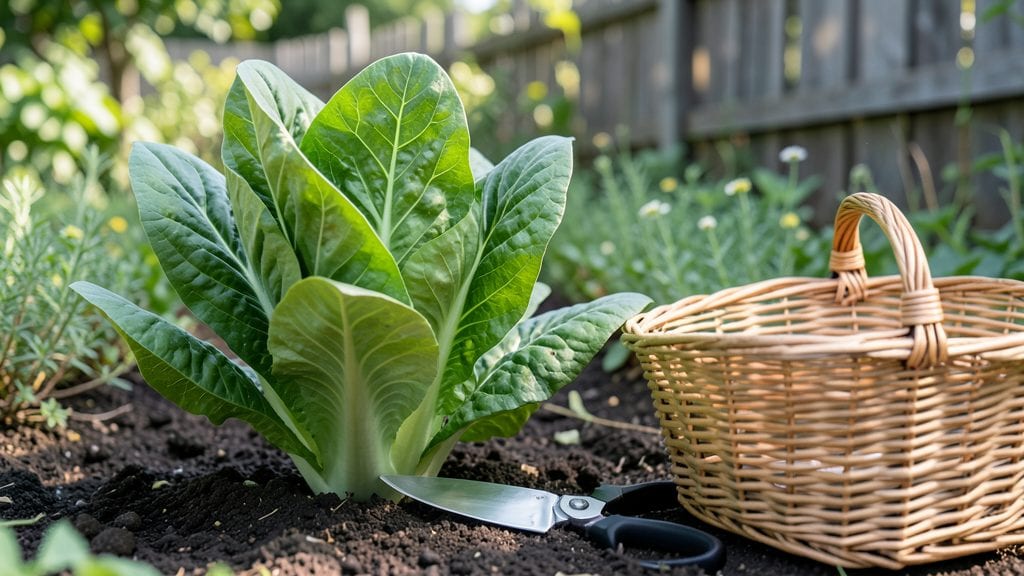
Harvesting romaine lettuce from your garden at the right time means crisp stems and a second harvest—if you cut it correctly.
Romaine lettuce thrives when harvested at the perfect time—too early, and you sacrifice crispness; too late, and it bolts into bitter leaves. Mastering the art of harvesting ensures a steady supply of fresh, tender greens while encouraging regrowth for multiple harvests.
You’ll want to start when the outer leaves reach 6-12 inches and feel firm to the touch. The key is cutting just above the base, leaving 2-3 inches of growth to keep the plant producing.
Below, I’ll walk you through the exact timing, cutting techniques, and storage tips to maximize your harvest—without ending up with a sad, woody center.
When to harvest romaine lettuce for maximum crispness and flavor
Harvesting romaine lettuce at the right moment transforms your garden into a crisp, flavorful salad source. The ideal harvest window balances leaf size, stem firmness, and weather conditions to prevent bitterness or bolting.
I’ve learned that timing is everything—wait too long, and your lettuce turns tough and bitter; harvest too early, and you miss out on that perfect crunch.
Look for 6-12 inch leaves that stand upright with a deep green color. The texture should be crisp, not floppy, and the stem base should feel firm but not woody.
These visual cues tell me it’s time to harvest before the plant sends up a flower stalk—a sure sign it’s bolting. Pay attention to the morning hours for harvesting; cooler temperatures preserve crispness better than midday heat.
Weather plays a critical role in harvest timing. Spring and fall harvests yield the sweetest, crispiest romaine when temperatures hover between 50-75°F. If summer heat arrives, harvest early in the morning or late afternoon to avoid wilted leaves.
I’ve noticed that bolt-resistant varieties, like 'Parris Island Cos,' handle heat better, but even they need careful timing to avoid bitterness.
Another key indicator is the tightness of the head. Romaine forms a compact, elongated shape when ready. If the leaves start spreading or the center loosens, it’s past prime. I always check the outer leaves first—they should be fully mature while the inner leaves remain tender for regrowth.
This method lets me extend the harvest season by 3-4 weeks per planting.
Now, let’s break down the essential harvest criteria in this quick-reference table to help you spot the perfect moment:
<summary-table>| Harvest Criterion | Ideal Specification | Visual Cue |
|---|---|---|
| Leaf Length | 6-12 inches | Upright, elongated leaves (not curled or wilted) |
| Leaf Color | Deep green | Vibrant, not yellowing or browning at edges |
| Texture | Crisp, firm | Feels sturdy when gently squeezed, not mushy |
| Stem Base | Firm, not woody | Press gently—should bend slightly, not snap |
| Head Shape | Tight, compact | Leaves form a neat cylinder, not spreading outward |
| Temperature | 50-75°F | Harvest in morning or evening during heatwaves |
| Flavor Test | Sweet, mild | Taste a leaf—bitter? Wait a few days or harvest earlier next time |
One of my biggest mistakes was waiting until the leaves were too large before harvesting. Over-mature romaine becomes tough and bitter, ruining the salad experience. I now harvest outer leaves first, leaving the inner core to regrow.
This cut-and-come-again method lets me enjoy multiple harvests from a single plant. Just be sure to leave at least 2-3 inches of growth at the base to encourage regrowth.
If you notice the center leaves starting to yellow or the plant sending up a flower stalk, it’s bolting. This happens when romaine senses long daylight hours or heat stress. To prevent bolting, I plant shade cloth in summer or opt for bolt-resistant varieties.
Succession planting—sowing new seeds every 2-3 weeks—ensures a steady supply of fresh romaine without relying on regrowth.
For container gardening, timing is even more critical since space is limited. I harvest romaine in containers when the leaves reach 8-10 inches to avoid overcrowding. Smaller pots dry out faster, so I water daily in summer and harvest early to reduce stress on the plant.
The key is balance: harvest often enough to enjoy crisp lettuce, but not so much that you stunt regrowth.
Finally, store harvested romaine properly to maintain crispness. Wrap the whole head in a damp paper towel and place it in a plastic bag in the fridge. This mimics the humid conditions of the garden and keeps it fresh for up to 1 week.
If you’re harvesting for regrowth, trim the outer leaves and return the plant to partial shade and consistent moisture to encourage new growth.
Step-by-step guide to cutting romaine lettuce for regrowth
Harvesting romaine lettuce the right way isn’t just about cutting leaves—it’s about encouraging your plant to keep producing. The cut-and-come-again method lets you enjoy multiple harvests from a single plant, but timing and technique matter.
Start by gathering your tools: a sharp knife or pruners, a clean bowl, and a spray bottle for post-harvest care. This method works best when your romaine reaches 6-12 inches tall with firm, crisp leaves.
Before you begin, check the weather forecast. Harvest on a cool morning after any overnight dew has dried. Avoid cutting during heatwaves or after heavy rain, as this can stress the plant.
The goal is to remove outer leaves first, leaving the inner growth intact. This minimal disruption keeps the plant happy and ready for regrowth.
How to Harvest Romaine Lettuce from Garden
- Step 1: Gather clean, sharp tools (knife or pruners) and a bowl for harvested leaves.
- Step 2: Locate the outer leaves (6+ inches) and hold them gently at the base.
- Step 3: Cut 1-2 inches above the soil line, leaving 2-3 inches of growth at the base.
- Step 4: Repeat for 3-4 outer leaves, avoiding the center to preserve regrowth.
- Step 5: Place harvested leaves in ice water for 10-15 minutes to crisp up before storing.
- Step 6: Water the base deeply after harvesting to support recovery.
- Step 7: Apply light mulch (straw or compost) to retain moisture and protect roots.
Never cut more than one-third of the plant in a single harvest—this ensures the remaining leaves can photosynthesize and regrow. If you’re harvesting the entire head, leave 1-2 inches of stem above the soil.
This stump will regrow into a new plant, though it may produce smaller leaves. For best results, rotate your harvests around the plant to avoid over-stressing one side.
After harvesting, give your romaine some post-care love. Water the base thoroughly to replenish moisture lost during cutting. A balanced fertilizer (5-10-10) applied lightly can also encourage regrowth, but avoid over-fertilizing, which can lead to bitter leaves. Keep the soil consistently moist but not soggy—romaine hates waterlogged roots.
Watch for signs of regrowth in 7-10 days. New leaves should emerge from the center, and you can repeat the harvest process once they reach 4-6 inches tall. This cycle can continue for 4-6 weeks before the plant starts to bolt, especially in hot weather.
If bolting occurs, save the seeds or compost the plant to make room for a new batch.
Pro tip: Store harvested romaine in a sealed container with a paper towel to absorb moisture. Keep it in the crisper drawer of your fridge for up to a week. For long-term storage, consider blanching and freezing the leaves—this preserves their crispness for months.