
Pests
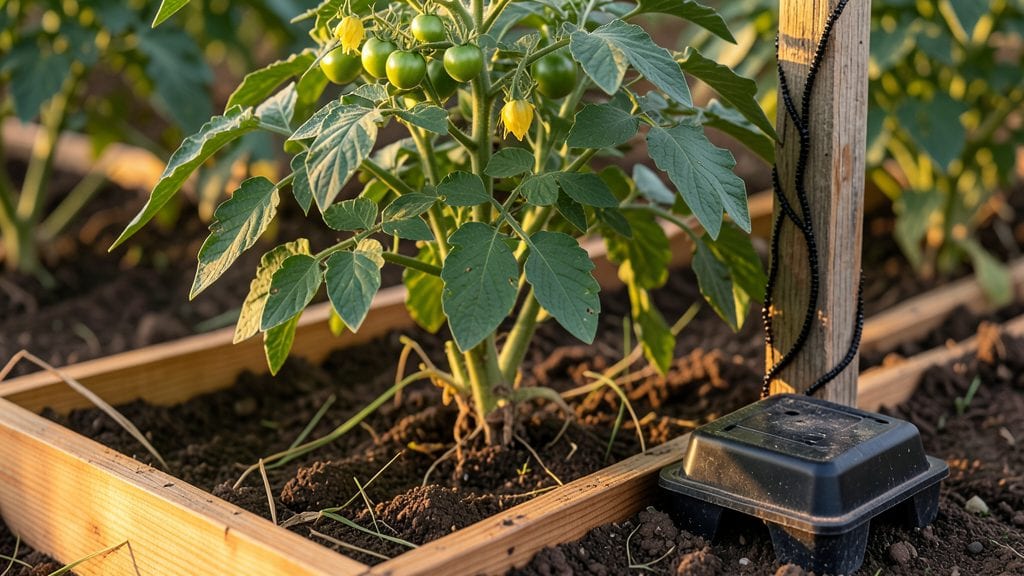
Termites in your vegetable garden don’t just ruin plants—they hollow out roots and leave behind weak, stunted crops that barely resemble what you planted. 🌱 I’ve seen entire rows of tomatoes collapse overnight, and the worst part?
Most store-bought solutions poison the soil for months. The good news? A nematode-based defense works fast, targets only termites, and actually improves soil health while it’s at it.
The key is acting before the damage spreads. Termites thrive in moist, organic-rich soil, so the first step is reducing their buffet—remove wood mulch near veggies, fix irrigation leaks, and rotate crops to break their life cycle.
Then, beneficial nematodes (microscopic worms) hunt termites underground without harming your plants or the food you grow. Applied in early spring or after harvest, they multiply and keep termites in check for 6-8 weeks—long enough to protect your next planting.
By the time your next crop goes in, you’ll notice stronger stems, deeper roots, and no more sudden wilting. The nematodes even leave behind extra microbial activity, which means better nutrient uptake for your plants.
It’s not just pest control—it’s a soil upgrade that keeps working long after the termites are gone. The best part? Your veggies stay safe to eat from day one.
Works for home gardens, raised beds, and even container setups—just adjust the application rate based on your space. No more guessing if your soil’s safe; this method gives you peace of mind and a harvest you can trust. Let’s get those nematodes to work for you.
Termites Invade Gardens
Termites may seem like a nuisance, but their presence in your vegetable garden isn’t random—it’s the result of specific conditions that create the perfect environment for these tiny, wood-munching pests.
Understanding why they show up is the first step to stopping them before they destroy your hard work. Let’s break down the science behind their garden takeovers.
Termites thrive in damp conditions because moisture keeps their bodies hydrated and softens cellulose (plant material) for easier digestion. Your vegetable garden may be a termite buffet if:
- Poor drainage leaves soil soggy after rain or irrigation. Termites seek out these waterlogged zones like a desert traveler seeks an oasis.
- Overwatering creates a consistently moist environment. While plants need water, termites need it more—they can’t survive long without it.
- Mulch or compost piles retain excess moisture, especially if they’re thick or poorly aerated. A damp mulch layer is like a neon sign for subterranean termites.
Pro Tip: 🌡️ Test your soil’s moisture level by squeezing a handful—if water drips out, it’s too wet. Aim for soil that holds moisture but isn’t saturated.
Termites are detritivores, meaning they feast on dead plant material. If your garden has:
- Old stumps, logs, or branches lying around, they’re termite magnets. Even small wood chips or bark mulch can provide shelter and food.
- Weeds with woody stems (like nutgrass or bindweed) that aren’t removed. These act as hidden termite highways.
- Compost piles with large wood chunks instead of finely shredded material. Big pieces create cozy termite hideouts.
Science Note: Termites use chemical trails to recruit colony members to food sources. One rotting log can signal thousands of termites to invade!
Termites often target gardens where plants are already under stress. Why? Because stressed plants release volatile organic compounds (VOCs) that attract pests—including termites. Common triggers include:
- Root damage from overcrowding, compacted soil, or poor soil health. Weak roots can’t fend off termites.
- Nutrient deficiencies (like low nitrogen or phosphorus) make plants more vulnerable. Termites prefer easy-to-digest, nutrient-rich plant matter.
- Fungal infections (e.g., root rot) create soft, decaying tissue that termites love. Fungi also produce compounds that attract termites.
Actionable Insight: 💡 Rotate crops and avoid planting the same family (like tomatoes or peppers) in the same spot yearly. This disrupts termite foraging patterns and improves soil health.
Termites don’t just appear out of nowhere—they’re part of established colonies that can span hundreds of feet. If your garden is close to:
- Wooden structures (fences, sheds, decks) with hidden termite damage, they’ll spread to your plants.
- Natural wood sources like dead trees or fallen branches in nearby forests or wooded areas.
- Other gardens or lawns already infested with termites, they’ll migrate via mud tubes (protective tunnels they build to stay hydrated).
Warning Sign: ✨ Look for mud tubes (sandpaper-like tunnels) on plant stems, soil surfaces, or wooden structures. These are termite superhighways!
Termites are more active during warm, humid seasons (spring and summer), but certain climates make them year-round pests:
- Tropical or subtropical regions with high humidity and year-round warmth create ideal termite conditions.
- Sudden rain after dry spells triggers termite swarming (reproductive flights). These winged termites seek moist soil to start new colonies—often in gardens.
- Cold snaps followed by warmth can disrupt termite hibernation, making them more aggressive in search of food.
Regional Tip: 🌎 In drier climates, termites may burrow deeper into the soil to escape heat, making them harder to spot. Monitor for subtle signs like hollow-sounding plant stems.
Termite Control Methods That Work
Termites in your vegetable garden can feel like a silent invasion—until it’s too late. But the good news? You don’t need harsh chemicals to reclaim your soil. Below are targeted, eco-friendly solutions mapped to common causes, along with preventive steps to keep these pests away for good.
Cause: Termites chew through wooden stakes, trellises, or compost bins, weakening plant support and creating entry points. Fix:
- 🔥 Remove Infested Wood: Burn or dispose of heavily damaged wood immediately to prevent spread.
- 🍳 Replace with Termite-Resistant Materials: Swap wooden structures for cedar, metal, or treated bamboo—termites avoid these naturally.
- 👨🍳 Apply Borax or Diatomaceous Earth: Mix 1 part borax to 3 parts sugar and spray on wood (avoid edible plants). For a non-toxic option, sprinkle food-grade diatomaceous earth around the base of structures.
💡 Pro Tip: Elevate wooden garden beds on brick or concrete blocks to reduce soil contact—termites struggle to climb smooth surfaces.
Cause: Subterranean termites tunnel near roots, cutting off nutrients and causing wilting or stunted growth. Fix:
- 🔪 Dig and Inspect: Gently dig around affected plants (1–2 inches deep) to expose mud tubes or galleries. Crush them with a shovel—termites avoid broken trails.
- 🥘 Introduce Beneficial Nematodes: Apply Heterorhabditis bacteriophora nematodes (sold as liquid or granules) to the soil. These microscopic predators seek out and kill termite larvae within 48 hours.
- 🌡️ Boost Plant Health: Strong, healthy plants deter termites. Water deeply but infrequently (termites love damp soil) and mulch with straw (not wood chips) to improve aeration.
✨ Prevention Hack: Plant marigolds, lemongrass, or catnip near vulnerable crops—termites dislike their strong scents.
Cause: Moist, decaying organic matter in compost attracts termites, turning your "green gold" into a pest buffet. Fix:
- 🔥 Turn Up the Heat: Termites can’t survive temperatures above 120°F (49°C). Aerate compost piles frequently to speed decomposition and raise internal temps.
- 🎯 Adjust Moisture Levels: Keep compost damp but not soggy—termites thrive in waterlogged conditions. Aim for a squeeze-test consistency (like a wrung-out sponge).
- 🍎 Add Termite-Deterring Additives: Mix in crushed eggshells, coffee grounds, or citrus peels—termites avoid these textures and smells.
💡 Pro Tip: Use a compost thermometer to monitor heat. If temps drop below 100°F (38°C), turn the pile more often.
Cause: Newly planted seeds or seedlings are vulnerable as termites gnaw through tender stems or seeds. Fix:
- 🔪 Use Cardboard Collars: Wrap the base of seedlings with cardboard tubes (remove the top/bottom). Termites can’t chew through them, and the tubes biodegrade safely as plants grow.
- 🥘 Plant Termite-Repellent Herbs: Interplant basil, mint, or chives—their volatile oils confuse termite foraging trails.
- 🌡️ Pre-Treat Soil with Nematodes: Before planting, water the soil with nematode solution (follow package rates) to create a protective barrier.
✨ Prevention Hack: Avoid overwatering—termites are drawn to moist soil. Use drip irrigation to keep moisture localized.
| Action | How to Do It |
|---|---|
| Reduce Wood Debris | Clear fallen branches, old logs, and untreated wood from the garden area. |
| Improve Drainage | Raise garden beds and ensure proper slope to prevent waterlogging. |
| Monitor Regularly | Check for mud tubes, frass (termite droppings), or hollow-sounding stems weekly. |
| Encourage Natural Predators | Attract birds, ants, and ground beetles by leaving leaf litter and diverse plants. |
| Rotate Crops | Avoid planting the same crops in the same spot yearly—termites target familiar hosts. |
Final Thought: Termites may seem like a lost cause, but with strategic fixes and prevention, your vegetable garden can thrive without a single chemical. Start with nematodes and nematodes, and soon you’ll have a termite-free, bountiful harvest—naturally!
Frequently asked questions
How do I know if my vegetable garden has termites?
Look for mud tubes (sandpaper-like tunnels) on plant stems, soil surfaces, or wooden structures. Also check for hollow-sounding stems, frass (termite droppings resembling sawdust), or plants wilting suddenly without obvious disease. Subterranean termites often create these signs near moisture sources.
Are nematodes safe for edible plants?
Yes! Beneficial nematodes like Heterorhabditis bacteriophora target only termite larvae and won't harm your vegetables. They're organic, leave no residue, and actually improve soil health by increasing microbial activity. Apply them during early spring or after harvest for best results.
Can I use diatomaceous earth in my vegetable garden?
Only use food-grade diatomaceous earth (not pool-grade) around plants, but keep it 1-2 inches away from stems to avoid damaging plant tissue. Sprinkle lightly around the base of plants and water lightly to activate. Reapply after rain as it loses effectiveness when wet.
What plants naturally repel termites?
Plant marigolds, lemongrass, catnip, or mint near vulnerable crops—their strong scents confuse termite foraging trails. Basil and chives also work well. These plants release volatile oils that termites avoid, making them excellent companion plants for termite-prone gardens.
How often should I check my garden for termites?
Inspect your garden weekly during warm, humid seasons (spring-summer) when termites are most active. Focus on areas with mulch, wood chips, or poor drainage. After heavy rains or sudden temperature changes, do an extra check—these conditions trigger termite activity.