
Pests
Rats in your garden mean chewed plants, stolen harvests, and those telltale droppings everywhere. ✨ I’ve spent years testing humane traps and repellents after my first season’s worth of gnawed zucchini and vanished seed packets—here’s what finally worked without poison or cruelty.
The key isn’t just catching them, but making your garden less appealing in the first place.
Most people grab snap traps first, but I found live-capture traps with peanut butter bait actually work better—rats go in, but you release them far from your yard. Combine that with natural deterrents like castor oil spray (mix with dish soap and water) or crushed peppermint leaves near entry points.
Even a few hard-boiled eggs scattered around confuse their scent trails.
By morning, you’ll spot fewer tracks in the soil and hear less rustling in the compost pile. The real win? Your tomatoes stay intact, your carrots grow straight, and you avoid the guilt of inhumane methods. Let’s turn your garden back into a rat-free paradise—without the mess or the harm.
Works for backyard plots, raised beds, and even container gardens. The same principles apply whether you’re dealing with a single visitor or a full-blown infestation. Here’s how to make it stick for good.
Root Causes of Garden Rats
If your garden has become an unwanted buffet for rodents, understanding why they’re there is the first step to reclaiming your green space. Rats don’t just show up randomly—they’re drawn by specific conditions that make your yard an ideal home.
Let’s break down the science behind their invasion so you can address the real issues.
Rats are opportunistic feeders, and if your garden offers easy access to food, they’ll stick around like uninvited guests at a picnic. Here’s what’s likely luring them:
- Unsecured compost piles: Rats adore decaying organic matter. A loose, uncovered compost bin is like a five-star restaurant to them. Why? The mix of fruits, veggies, and yard waste provides protein, carbs, and moisture—everything they need. 💡 Pro tip: Use a rat-proof compost bin with a locking lid or bury it in a wire mesh cage.
- Fruiting plants and fallen produce: Overripe tomatoes, dropped apples, or even unharvested corn can attract rats. Science note: Rats have an incredible sense of smell (14x better than humans) and can detect food from up to 150 feet away. If they sniff something edible, they’ll investigate.
- Pet food left outdoors: Dog or cat food bowls sitting outside overnight are like neon signs for rats. Why? Protein-rich kibble is a high-calorie, low-effort meal. Rats will also steal pet food to feed their young.
- Bird feeders: Spilled seeds on the ground underneath feeders create a smorgasbord. Rats don’t eat birdseed directly, but they’ll raid the area for fallen kernels, insects, and even baby birds if nests are nearby.
Rats need shelter to survive—especially in colder months or during rain. If your garden offers cozy hiding spots, they’ll move in permanently. Here’s what they love:
- Piles of debris or wood: Stacked firewood, leaf litter, or junk piles provide perfect nesting material. Why? Rats build nests from shredded paper, fabric, or plant fibers, and loose debris gives them easy access to these materials.
- Gaps in fences or structures: A hole as small as ½ inch is enough for a rat to squeeze through. Check for:
- Broken vents in sheds or garages
- Loose siding on garden buildings
- Overgrown vegetation touching structures (rats use vines or branches to climb)
- Dense ground cover: Tall grass, ivy, or untrimmed shrubs create hidden tunnels and nesting sites. Rats prefer areas with 3+ feet of cover to feel safe from predators (like cats or owls).
Science alert: Rats are excellent climbers and can scale rough surfaces like brick or wood. If they can reach your roof or attic, they’ll use it as a highway to raid your home.
Rats need water to survive, and if your garden has reliable sources, they’ll camp out nearby. Here’s how they find it:
- Leaky hoses or irrigation systems: A slow drip or puddle is enough to attract rats. Why? Rats only need ½ ounce of water per day, but they’ll drink more if it’s easily accessible. A leaky spigot = a free water station.
- Standing water in containers: Buckets, old tires, or clogged gutters with stagnant water become rat watering holes. Science note: Rats can go up to 3 days without food but will die in 3 days without water.
- Pet water bowls: Just like pet food, outdoor water dishes are a rat magnet. They’ll drink from them or even contaminate the water with urine and feces.
In urban or suburban gardens, rats often face fewer predators than in the wild. If your yard lacks natural threats, they’ll treat it like a rat paradise. Common reasons:
- No owls or hawks: These birds are natural rat hunters. If your area has few trees or open spaces, predators may avoid your garden.
- Few cats (or tame ones): While cats can help, feral or outdoor cats are more effective at controlling rat populations. Why? Rats are wary of sudden movements and will avoid areas with active predators.
- Overuse of pesticides: Chemicals that kill insects or other pests can also harm rats’ natural enemies (like snakes or foxes), making your garden even more appealing to them.
🔥 Key takeaway: Rats invade gardens because they find food, shelter, water, and safety. By identifying which of these factors are present in your space, you can systematically remove the appeal—making your garden a no-go zone for these pests.
Practical Fixes for Rat Problem
Now that you understand why rats are invading your garden, it’s time to take action! The good news is that with the right strategies, you can reclaim your space—without harming the pests (or your conscience).
Below, we’ll map out cause-specific solutions, from quick fixes to long-term prevention, so you can tackle the issue head-on.
Rats are opportunistic eaters, and if your garden is a smorgasbord, they’ll keep coming back. Fix it by eliminating their food sources—both obvious and hidden.
🍎 Secure Your Harvest & Storage
- 🔒 Lock it up: Store fruits, veggies, and pet food in airtight metal or thick plastic containers (rats can chew through thin plastic!).
- 🌾 Elevate feeders: If you have bird feeders, place them at least 5 feet off the ground and clean up spilled seeds daily.
- 🥔 Bury or compost properly: Dig deep trenches for compost piles (rats dig!) and avoid leaving fallen produce on the ground.
🧹 Clean Up Like a Pro
- 🧼 Scrub surfaces: Wipe down tables, benches, and tool sheds—rats leave scent trails and return to familiar spots.
- 🗑️ Manage trash: Use rat-proof bins with locking lids and take trash out frequently (especially in warm weather).
- 🌿 Rake & remove debris: Piles of leaves, mulch, or weeds create hiding spots.
Keep your garden tidy and dry.
Rats need nesting material and access points to thrive. If your garden offers both, they’ll move in permanently.
🧱 Seal Gaps & Holes
- 🔧 Inspect structures: Check sheds, greenhouses, and fences for gaps larger than ½ inch—that’s all a rat needs to squeeze in.
- 🛠️ Use steel wool & caulk: Stuff holes with steel wool (rats can’t chew through it) and seal with waterproof caulk.
- 🚪 Door sweeps: Install door sweeps on sheds and garages to block drafts (and rats).
🌿 Remove Nesting Materials
- 🪵 Avoid thick mulch: Replace deep mulch with gravel or crushed stone (rats hate walking on it).
- 🪵 Clear brush piles: Stack firewood off the ground and at least 20 feet from your house.
- 🪵 Use hardware cloth: Wrap vulnerable areas (like compost bins) with ¼-inch hardware cloth to deter digging.
If rats are already nesting, you’ll need active solutions to catch or scare them away—without cruelty.
🕵️♂️ Live Traps: The Humane Catch-And-Release
- 🐭 Choose the right trap: Victor or Havahart live traps work best.
Place them along walls (rats follow edges) and bait with peanut butter, nuts, or dried fruit. - 🕒 Check traps daily: Release rats at least 2 miles away in a wooded area (check local laws first!). - 🌿 Reset & rebait: Move traps to new locations every few days—rats are smart and will avoid traps they’ve seen.
🌿 Natural Repellents (That Actually Work)
Not all "rat repellents" are created equal—but these science-backed options can help:
- 🌿 Peppermint oil: Soak cotton balls in peppermint oil and place them in problem areas (rats hate the scent).
- 🌿 Ammonia-soaked rags: Leave ammonia-soaked rags near entry points (the smell masks their scent trails).
- 🌿 Ultrasonic devices: Some high-frequency emitters (like the Neatmaster Ultrasonic Repeller) can deter rats—though results vary.
The best offense is a good defense. Once you’ve removed rats, prevent reinfestation with these low-maintenance habits:
🌱 Garden Design Tricks
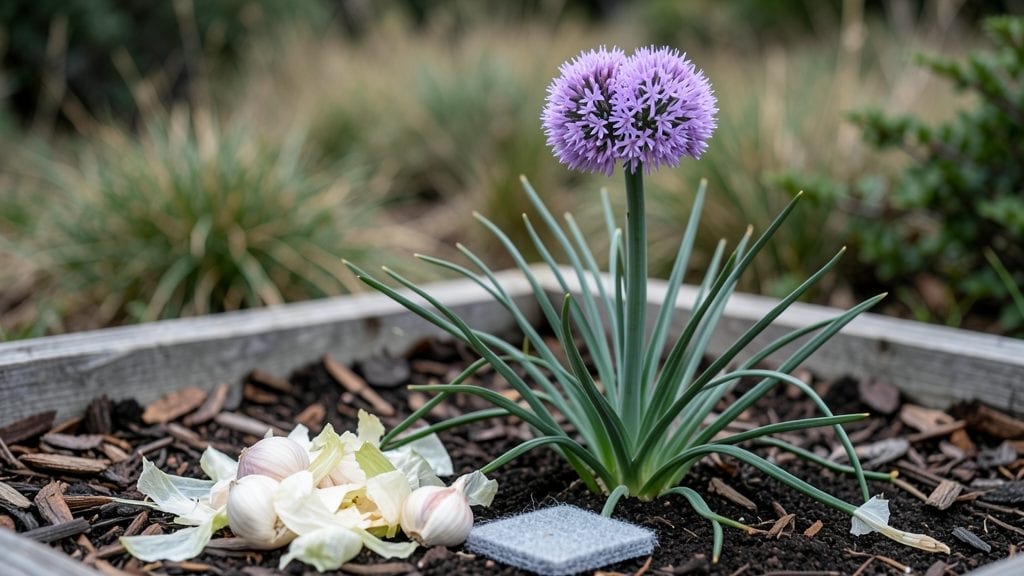
- 🌿 Plant rat-resistant crops: Rats avoid mint, marigolds, and garlic—plant these near vulnerable areas.
- 🌿 Keep grass short: Tall grass and weeds provide cover for rats.
Mow regularly to eliminate hiding spots. - 🌿 Use raised beds: Elevate vegetable beds to make digging harder for rats.
🕒 Regular Maintenance Routine
- 🗓️ Monthly inspections: Check for new holes, droppings, or gnaw marks every 4-6 weeks.
- 🌧️ Post-rain cleanup: Rats love damp areas—remove standing water and dry out mulch after rain.
- 🚨 Early signs = action time: If you spot chewed plants or nests, act fast before the problem grows!
- 💡 Team up with neighbors: Rats don’t respect property lines—coordinate with nearby homes to eliminate shared attractants.
- 🌡️ Time your traps: Set traps at dawn or dusk when rats are most active.
- ✨ Stay consistent: Rats are persistent—stick with your plan for at least 2-3 weeks before expecting results.
By combining food removal, shelter elimination, and smart trapping, you’ll outsmart rats and protect your garden—without resorting to harmful poisons. Start with one or two fixes today, and soon, your garden will be rat-free and thriving! 🌱🚫🐀
Frequently asked questions
How do I know if rats are in my garden?
Look for droppings (small, dark pellets), gnaw marks on plants or structures, and greasy rub marks along walls or fences. You might also spot burrows (holes about 2-4 inches wide) near foundations or dense vegetation. Listen for scratching or scurrying sounds at night—rats are most active after dark.
Are there humane ways to catch rats without harming them?
Yes! Use live-capture traps like Victor or Havahart models, baited with peanut butter, nuts, or dried fruit. Check traps daily and release rats at least 2 miles away in a wooded area. Avoid snap traps or poisons—they’re cruel and can harm pets or wildlife. Always check local laws before releasing.
What’s the best natural repellent for rats?
Rats dislike peppermint oil—soak cotton balls in it and place them near entry points. You can also try ammonia-soaked rags (the smell masks their scent trails) or crushed red pepper around problem areas. Plant mint, marigolds, or garlic near vulnerable spots—their strong scents deter rats naturally.
Will cats really keep rats away?
Outdoor cats can help, but they’re not a foolproof solution. Rats are nocturnal and wary—they’ll avoid areas where cats are active but may still visit when the cat isn’t around. For better results, combine cats with traps or repellents and keep your garden tidy and free of food sources. Feral cats are often more effective than pets.
How long does it take to get rid of rats for good?
With consistent effort, you’ll see results in 2-3 weeks. Start by removing food/water sources and sealing entry points. Use traps or repellents for at least 3 weeks—rats are persistent and may take time to leave. After that, focus on prevention (monthly inspections, cleanliness, and garden maintenance) to keep them away long-term.