
Pests
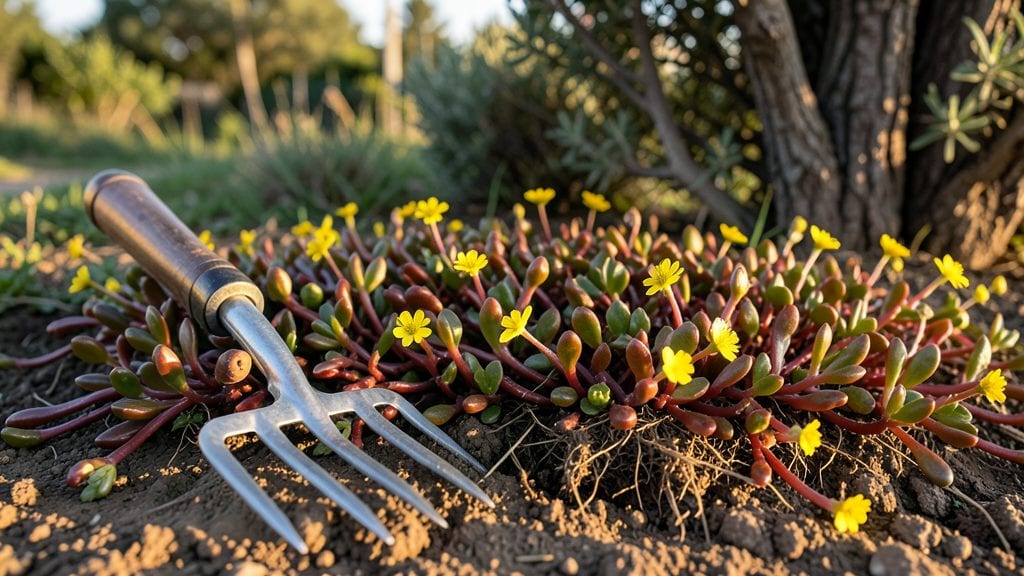
Getting rid of purslane in your garden feels like chasing a stubborn weed that just won’t quit. 🌱 I’ve wrestled with this thick-stemmed invader for years, and I’ve finally cracked the code on how to pull it out for good—without resorting to harsh chemicals.
The key isn’t brute force but timing, technique, and a little persistence.
Purslane spreads through those little yellow flowers and deep taproots, making it seem impossible to erase. But here’s the secret: pull it when the soil is damp (after rain or watering), grip the base firmly, and yank hard—taproot and all.
A sharp hoe between rows prevents new seeds from taking hold, and mulching with thick layers of newspaper or cardboard smothers what’s left. It’s backbreaking work, but worth it for a weed-free patch.
You’ll notice fewer sprouts within a week if you’re consistent, and after three dedicated sessions, your garden beds will look transformed. The real payoff? No more battling this succulent weed while trying to grow your actual plants. Plus, your soil stays healthier when you skip the chemical shortcuts.
This method works year-round, but late spring and early summer—when purslane is most active—are the best times to strike. Just keep an eye out for new shoots, and don’t let it go to seed. Trust me, once you see your garden without it, you’ll never look back.
Root Causes Of Purslane Invasion
Purslane (Portulaca oleracea) isn’t just a stubborn weed—it’s a succulent survivor with deep-seated strategies for thriving in gardens. Understanding why it takes over helps you outsmart it. Here’s the science behind its persistence:
Purslane spreads like wildfire because of its explosive reproductive cycle: - One plant = Thousands of seeds: A single mature purslane can produce 50,000+ seeds per season, and they ripen in just 30–60 days.
These seeds lie dormant in soil for years, waiting for the right conditions to sprout. - Self-pollination: Even isolated plants can self-seed aggressively, ensuring new colonies pop up without cross-pollination. - Pro tip 💡: Never let it go to seed—pull or mow it before flowers appear (yellow blooms = seed production in progress).
Purslane’s succulent stems store water like a cactus, making it drought-tolerant—a major advantage in dry climates or neglected garden beds:
- Deep root system: While shallow, its roots extend 6–12 inches deep, tapping into moisture others miss.
- Thick, fleshy leaves: These reduce water loss through transpiration, letting it outcompete shallow-rooted plants.
- Actionable fix ⚡: Water deeply but infrequently to encourage deeper roots in your desired plants, then smother purslane with mulch to cut off its water supply.
Purslane loves disruption—it thrives in:
- Freshly tilled soil: Loosening soil aerates the seed bank, triggering a mass germination event.
- Compaction or erosion: Bare patches (from foot traffic, rainwash, or dead plants) give it uncontested real estate.
- Weak competitors: If your garden has thin turf, mulch gaps, or sparse plantings, purslane fills the void faster than clover or grass.
- Solution 🛠️: Prevent bare soil with:
- A thick mulch layer (3–4 inches of straw or wood chips).
- Living mulches (low-growing ground covers like creeping thyme).
- Quick-growing cover crops (like clover) to outcompete it.
Purslane isn’t picky about soil quality—it outmuscles other plants by:
- Rapid vertical growth: It grows up to 1 inch per day, shading out seedlings before they establish.
- Low light tolerance: While it prefers sun, it thrives in partial shade, making it a pest in vegetable beds, pathways, and even lawn edges.
- Nitrogen thief: It absorbs nutrients quickly, starving nearby plants of phosphorus and potassium.
- Counterattack 🔥:
- Boost your plants’ vigor with compost or slow-release fertilizer to help them outcompete it.
- Hand-pull in early morning when soil is moist (purslane’s brittle stems snap easily).
Purslane’s range spans temperate to tropical zones, but it peaks in: - Warm seasons (60–90°F): It bolts in heat, setting seed faster. - Arid or sandy soils: Less competition + ideal growing conditions = purslane paradise. - Urban gardens: Disturbed soil from construction, renovations, or new plantings triggers germination. - Regional tip 🗺️: If you’re in the Southwest, Mediterranean, or coastal areas, purslane is year-round.
In cooler climates, it retreats in winter but returns with spring rains.
Even well-maintained gardens fall victim to unintentional purslane spread:
- Contaminated tools/mulch: Seeds hitchhike on shovels, rakes, or bagged soil.
- Compost piles: If compost isn’t hot enough (140°F+ for 3+ days), purslane seeds survive and spread.
- Wildlife dispersal: Birds and rodents eat the seeds and deposit them elsewhere.
- Prevention checklist ✅:
- Sterilize tools with bleach or fire between gardens.
- Avoid "weed-free" mulch—some brands contain dormant purslane seeds.
- Inspect new plants/soil before adding to your garden.
Practical Ways to Remove Purslane
Now that you understand why purslane invades your garden, let’s tackle the how—with actionable, garden-friendly solutions tailored to your situation. Whether you’re dealing with a small patch or a full-blown takeover, these methods will help you reclaim your space without harming your plants (or the planet).
If you prefer physical control, purslane’s shallow roots make it surprisingly easy to pull by hand—but timing is key.
👨🍳 Step 1: Choose the Right Time
- Best time: Early morning or late afternoon when the soil is moist but not soggy (dry soil makes roots brittle, while wet soil helps you pull the whole plant).
- Avoid: Pulling after rain—muddy conditions can tear roots, leaving fragments behind to regrow.
🥘 Step 2: Grab and Twist
- Wear gloves (purslane’s sap can irritate skin).
- Grasp the base of the plant near the soil—don’t yank from the top, or you’ll leave stubborn roots.
- Pull firmly upward while twisting slightly to loosen the taproot.
- Check for remnants: Dig around the hole to ensure no pieces are left behind.
🔪 Step 3: Dispose Properly
- Compost? No! Purslane seeds can survive composting. Instead:
- Bag and trash it (or burn it if local regulations allow).
- Drop in a sealed container with water to drown out seeds (leave for 1–2 weeks).
✨ Pro Tip: Use a hula hoe or stirrup hoe for larger areas—glide the blade just under the soil surface to sever roots without bending over.
Purslane thrives in bare soil. Block sunlight and suffocate it with these low-effort tactics.
📊 Option 1: Cardboard or Newspaper Mulch
- Lay down wet newspaper or cardboard (ink-side down) over the affected area.
- Cover with 2–3 inches of mulch (straw, wood chips, or leaves).
- Wait 4–6 weeks—the lack of light will kill purslane and improve soil health.
🌡️ Option 2: Heavy Mulch Layer
- Spread 4+ inches of organic mulch (straw or grass clippings work best).
- Replenish as it decomposes to maintain the barrier.
- Bonus: This also suppresses weeds and retains moisture.
💡 Pro Tip: If purslane pops through, reapply mulch immediately—don’t let it flower!
Purslane is drought-tolerant, but consistent moisture can weaken it—especially in hot climates.
🎯 Strategy 1: Deep Watering
- Water deeply 2–3 times per week (instead of light daily sprinkles).
- Target purslane patches—this encourages deeper root growth in your crops while stressing purslane.
🔥 Strategy 2: Drip Irrigation Hack
- Set up a drip system to water only your desired plants, leaving purslane high and dry.
- Purslane wilts faster in dry conditions.
✨ Pro Tip: Hand-watering at the base of your plants (not overhead) can drown out purslane while keeping your veggies hydrated.
Once you’ve removed purslane, keep it from coming back with these habits:
| Prevention Method | How to Do It | Best For |
|---|---|---|
| Crop Rotation | Avoid planting in the same spot yearly. | Vegetable gardens. |
| Healthy Soil | Add compost to improve soil structure. | All gardens. |
| Dense Planting | Space crops closely to block sunlight. | Vegetable beds. |
| Vinegar Spray (Spot-Treat) | Mix 1 gallon vinegar + 1 tbsp dish soap, spray on leaves (avoid desired plants). | Small, isolated patches. |
💡 Pro Tip: Plant purslane’s natural enemies like clover or lettuce—they outcompete it for space and nutrients.
If purslane keeps returning despite your efforts, consider:
- Boiling water (pour directly on roots for stubborn spots).
- Corn gluten meal (natural pre-emergent herbicide—apply in early spring).
- Professional help (for large-scale infestations in commercial gardens).
Frequently asked questions
Why does purslane keep coming back even after I pull it out?
Purslane produces thousands of seeds that can lie dormant in soil for years. Even small root fragments left behind regrow quickly. Always pull from the base and dispose of plants properly—never compost them. Focus on preventing new seeds from forming by removing plants before they flower.
Can I use vinegar to kill purslane without harming my other plants?
Yes, but use it carefully! Mix 1 gallon white vinegar + 1 tablespoon dish soap and spray only on purslane leaves (avoid desirable plants). The acid burns the plant, but it may also damage nearby foliage. For best results, apply on a dry, sunny day when purslane is actively growing.
How long does it take to see results from mulching?
With a 3-4 inch mulch layer (cardboard + straw or wood chips), you’ll see noticeable reduction in 4-6 weeks. Purslane needs sunlight to grow, so blocking light with mulch suffocates it. Reapply mulch as it breaks down, and stay vigilant—new shoots may appear if gaps form.
Is purslane harmful to my vegetables or flowers?
While not toxic, purslane competes aggressively for water and nutrients, potentially stunting your plants. Its rapid growth can also shade out seedlings. The real risk is its seed production—if left unchecked, it can take over garden beds entirely, crowding out your desired crops.
What’s the best time of year to tackle purslane?
Late spring and early summer are ideal—this is when purslane is most active and before it flowers. In warmer climates, focus on spring and fall when growth slows. Avoid treating it during droughts; purslane’s drought tolerance makes it harder to remove when soil is dry.