
Size
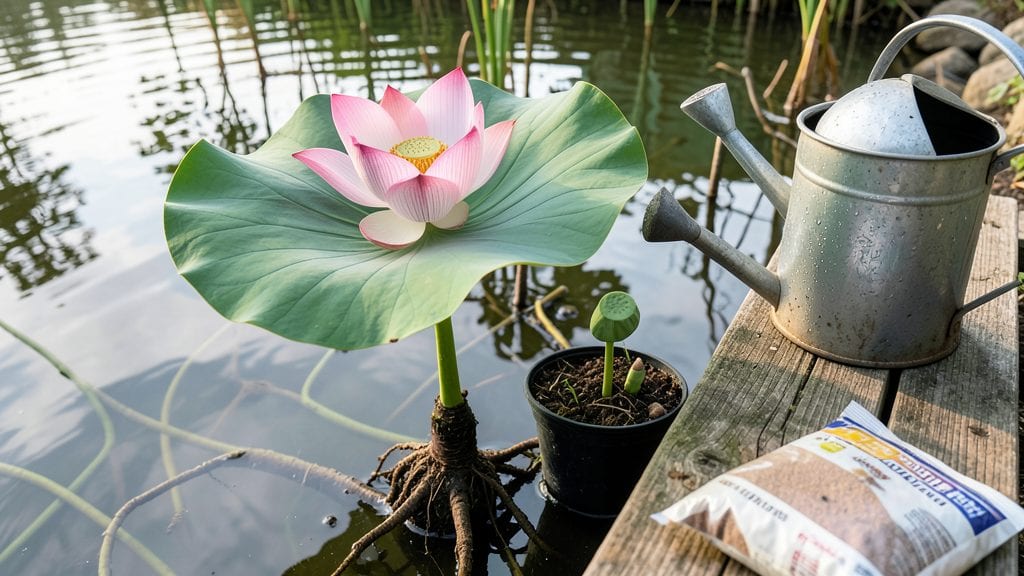
Growing lotus in your garden delivers those iconic, velvety blooms even when space is tight—just a few key steps separate you from the dreamy, floating beauty most people think requires a pond. 🌿 I’ve grown them in both containers and shallow water features, and the secret isn’t fancy equipment but matching their exact needs for sunlight, water depth, and soil.
Their roots thrive in 6–12 inches of water, but they’re not picky about the container—just make sure it’s wide enough for their sprawling growth. Most gardeners overlook the soil prep, but amending with compost before planting gives roots the nutrients they’ll need to push up those dramatic stems.
And yes, they do go dormant in winter—here’s how to protect them without losing your investment.
By midsummer, you’ll see those first buds rise above the water, opening into blooms that last 3–5 days but make a statement no other plant can. The fragrance alone—sweet and earthy—will have your neighbors asking how you pulled it off.
The real magic? They multiply over time, so one plant becomes a small colony.
Perfect for small yards, balconies with water features, or even large pots. Let’s get those roots planted—the payoff is worth the patience, and I’ll show you exactly how to keep them thriving year after year.
📚 In This Guide
- What you need
- Instructions
- Tips and common mistakes
- Wrapping up and next steps
What you need
- ● Lotus rhizomes or tubers: 3–5 (depending on desired coverage; choose Nelumbo nucifera for tropical climates or Nelumbo lutea for hardier varieties).
- ● Container or pond: For containers: A 12–18-inch deep pot (minimum 18" diameter per rhizome) with drainage holes. Use fiberglass, plastic, or heavy ceramic to retain moisture.
- ● For ponds: 18–24 inches of water depth (shallower for Nelumbo lutea). Ensure full sun (6+ hours/day) and still water.
- ● Growing medium: Pond soil: 2–3 inches of nutrient-rich pond mud (or a mix of topsoil + compost).
- ● Container soil: Water garden soil or a blend of 50% peat moss, 30% perlite, and 20% compost.
- ● Water source: Dechlorinated water (use a water conditioner if tap water is used).
- ● Fertilizer: Slow-release aquatic plant fertilizer (e.g., OsmoCote or Fish emulsion for organic options).
- ● Tools: Garden trowel or spade
- ● Measuring tape (for depth)
- ● Water test kit (to monitor pH 6.5–7.5 and hardness)
- ● Pond accessories: Floating plants (e.g., water hyacinth) to reduce algae and provide shade for rhizomes.
- ● Mulch: Pond gravel or aquatic plants (like water lettuce) to prevent soil erosion.
- ● Heating mat: For cold climates (if growing in containers indoors during winter).
- ● Support stakes: For tall varieties (e.g., Nelumbo ‘Rosada’) to prevent stems from bending.
- ● Water pump: For small containers to create gentle circulation.
Step-by-Step instructions for growing lotus in your garden
Lotus thrives with patience and the right conditions—here’s how to coax those iconic blooms into your space.
🌱 Step 1: Choose and Prepare the Right Tubers
Lotus grows from rhizomes (tubers), not seeds. Buy healthy, firm rhizomes from a reputable supplier—avoid soft or shriveled ones. Before planting, soak them in lukewarm water for 24 hours to soften the outer skin and encourage root growth. This step is critical: dry tubers take longer to sprout and may rot if planted too soon.
After soaking, inspect each tuber for small buds or "eyes"—these are where shoots will emerge. If your tubers lack buds, don’t worry; new growth will appear once planted. Place them on a damp paper towel in a warm spot for a few days if you want to see early sprouting.
☀️ Step 2: Select the Perfect Water Depth and Location
Lotus needs at least 18–24 inches of water depth to thrive. If your garden lacks a pond, use a large container (like a half-barrel) with a minimum 2-foot depth. Place it in full sun (6+ hours daily)—lotus blooms best with intense light. Partial shade may produce leaves but few flowers.
Fill the container with water, leaving 2–3 inches of space at the top for leaves to grow. Gently press the tubers into the soil at the bottom (they’ll root naturally over time). Don’t bury them deeply—just cover them with 1–2 inches of soil to anchor them. Lotus tubers are hardy and adaptable, but they need warmth to sprout.
💧 Step 3: Maintain Water and Fertility for Strong Growth
Keep the water level consistent—never let it drop below 12 inches during the growing season. Lotus plants will wilt if underwatered, even in ponds. Add a pond aerator or fountain to keep water circulating and prevent stagnation, which can lead to rot or pests.
Feed your lotus every 4–6 weeks in spring and summer with a balanced aquatic plant fertilizer (like 10-10-10). You’ll see new leaves emerge within 2–3 weeks of planting—this is your signal the tubers are rooting. Avoid over-fertilizing; lotus prefers nutrient-rich but not overly rich water.
✂️ Step 4: Prune and Divide for Healthier Blooms
Once your lotus reaches 3–4 feet tall, trim dead or yellowing leaves to redirect energy to new growth. Cut stems back to 6 inches above the waterline after flowering to encourage a second bloom cycle. This step is key: lotus plants reward pruning with more vibrant blooms the following season.
Divide tubers every 3–4 years to prevent overcrowding. Lift them in early spring, separate the rhizomes, and replant the healthiest sections. You’ll know it’s time when leaves grow densely packed with little space between stems. Dividing also rejuvenates blooms—older tubers produce fewer flowers.
⏰ Step 5: Overwinter Tubers for Next Year’s Blooms
In colder climates, lotus tubers go dormant. Before frost, drain the container and store tubers in damp peat moss or sand in a cool (40–50°F) dark place. Check them monthly—if they dry out, mist lightly. In warmer zones, leave tubers in the pond; they’ll survive winter underwater.
Come spring, replant tubers in fresh water and repeat the process. With patience, your lotus will reward you with stunning blooms by mid-summer. The first year may be slow, but subsequent years bring dramatic, show-stopping flowers that last all season.
Tips & tricks for growing lotus in your garden
These insider tips will help you avoid common pitfalls and maximize your lotus blooms—even in small spaces.
The Soaking Secret: That 24-hour lukewarm water soak in Step 1 isn't just about softening the skin—it jumpstarts root growth. I've found that adding a pinch of aquarium salt to the soaking water prevents bacterial buildup, especially if your tubers arrive with dried mud. Trust me on this: the difference between tubers that sprout within days versus weeks often comes down to this simple step.
Water Depth Watch: The 18-24 inch depth requirement in Step 2 is non-negotiable, but here's what nobody tells you—your container's surface area matters just as much. For every 2 feet of depth, you need at least 12 inches of surface diameter to prevent overcrowding. I've seen lotus plants struggle in tall but narrow containers because the tubers compete for space at the bottom.
Fertilizer Timing: When you feed every 4-6 weeks in Step 3, use this visual cue: apply fertilizer when you see new leaves emerge, not on a strict calendar. Over-fertilizing is easy to do, and lotus plants will show it by producing lots of leaves with no flowers. A little goes a long way—think of it as a light snack rather than a full meal.
Pruning Payoff: That 6-inch cut back in Step 4 might seem drastic, but it's the key to second blooms. I've seen lotus plants that were pruned properly produce flowers continuously from June through September. The secret is to make the cut just above a leaf node (the bump where leaves grow)—this tells the plant where to focus its energy for new growth.
Pro Tips for Get Lotus In Grow A Garden
- These insider tips will help you avoid common pitfalls and maximize your lotus blooms—even in small spaces.
- The Soaking Secret: That 24-hour lukewarm water soak in Step 1 isn't just about softening the skin—it jumpstarts root growth.
- Water Depth Watch: The 18-24 inch depth requirement in Step 2 is non-negotiable, but here's what nobody tells you—your container's surface area matters just as much.
Frequently asked questions
Got questions about growing lotus in your garden?
Here are some of the most common ones—plus quick, practical answers to help you bloom with confidence!
Can I grow lotus in a small garden or even a container?
While lotus thrives in ponds or shallow water, miniature varieties (like Nelumbo nucifera) can grow in containers as small as 12–18 inches wide. Use a heavy pot with drainage holes and fill it with 6–12 inches of water. Just ensure it gets full sun (6+ hours daily)—they’re picky about light!
How long does it take for lotus to bloom after planting?
Patience is key! If you start with tubers, expect blooms in 3–5 years under ideal conditions. For faster results, buy established plants (1–2 years old) from nurseries—they may flower within 1–2 seasons. Pro tip: Fertilize lightly with aquatic plant food in spring to encourage growth.
What’s the best water temperature for lotus plants?
Lotus loves warm water—ideal temps range from 65–85°F (18–29°C). In cooler climates, grow them in containers you can move indoors during winter or use a pond heater (set to 60°F/15°C minimum). Warning: Frozen water = instant tuber death!
Are lotus plants prone to pests or diseases?
Mostly low-maintenance, but keep an eye out for aphids, snails, or fungal spots (like powdery mildew) in humid areas. Prevent pests: Remove debris, ensure good airflow, and spray with neem oil if needed. For diseases, avoid overcrowding and never let water stagnate—lotus hate soggy roots!
Can I grow lotus indoors or in a greenhouse?
Not traditionally, but you can try! Use a deep grow light (12+ hours/day) and a shallow water setup (like a cache pot with a water reservoir). Greenhouse hack: Place the container near a sunny window and mist leaves daily to mimic humidity. Blooms may be smaller, but it’s doable!
Wrapping up and next steps
Growing lotus in your garden is a rewarding journey that combines patience, care, and a touch of magic! 🌸 Whether you’re working with minimal space or a full pond, these stunning blooms are well worth the effort.
Start small—plant a single tuber, experiment with varieties, and let your green thumb guide you to success.
Now that you’re armed with the how-to, why not take the next step? Share your progress with fellow gardeners, or explore other aquatic plants to expand your water garden’s beauty. Happy planting—your lotus awaits! 🌊✨