How To
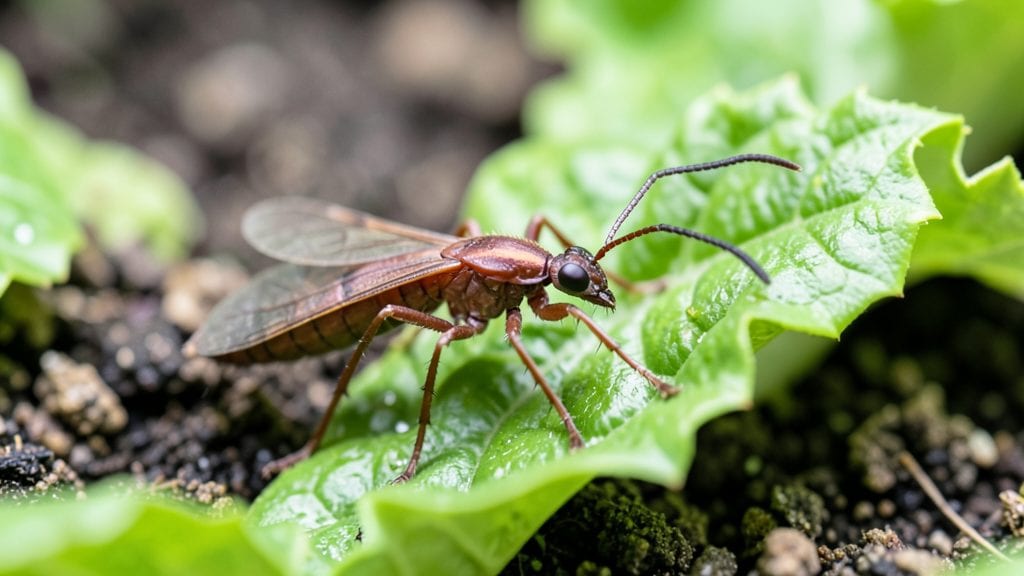
Getting earwigs out of your garden feels like an endless battle—until you use the right barriers. 🌱 I’ve tried every DIY trap and spray, but these simple, humane methods actually work without harming your plants or beneficial insects.
The key is cutting off their entry points while luring them away naturally.
Earwigs love damp, dark spaces under mulch or boards, so the first step is sealing cracks in your garden beds and removing hiding spots. A 1-inch-wide copper tape around raised beds or flower pots creates an invisible barrier they won’t cross—no chemicals, just physics.
For severe infestations, roll up damp newspaper in a cone and place it near problem areas; they’ll crawl inside and drown overnight.
Once you’ve blocked their access, set up beer traps (yes, really) or use rolled-up cardboard with a weight on top—earwigs hide underneath and suffocate. Within 3-5 days, you’ll see a noticeable drop in activity. The best part? These methods keep working season after season with minimal effort.
Prevention is the real game-changer: keep mulch 3-4 inches away from plant stems, water in the morning (not evening), and add diatomaceous earth lightly around borders. If earwigs keep returning, it’s time to inspect irrigation and drainage—moisture is their #1 attractant. Let’s get your garden back to thriving.
Root Causes of Earwig Invasion
Earwigs may seem like tiny, harmless pests, but their sudden appearance in your garden can feel like an unwelcome takeover. Understanding why they’re drawn to your outdoor space is the first step toward stopping them.
These nocturnal insects don’t just wander in randomly—they’re following specific cues in your environment. Let’s break down the science behind their behavior and what’s inviting them to stick around.
Earwigs thrive in damp, humid conditions because their exoskeletons are highly sensitive to dehydration. If your garden has:
- Poor drainage: Water pooling after rain or irrigation creates ideal breeding grounds. Earwigs lay eggs in moist soil, and their nymphs (baby earwigs) need consistent moisture to survive.
- Thick mulch or dense foliage: Organic matter like decaying leaves, wood chips, or even overgrown plants trap moisture and provide shelter. They’ll curl up under these layers during the day to avoid predators and dry air.
- Irrigation habits: Overwatering lawns, flower beds, or vegetable patches signals to earwigs that your garden is a reliable food and shelter source.
Actionable insight: Earwigs won’t linger where it’s dry. Reducing standing water and allowing soil to dry between waterings can make your garden less appealing.
Earwigs are opportunistic feeders, and your garden might be serving up a buffet without you realizing it. They’re particularly fond of:
- Decaying plant matter: Rotten fruits, vegetables, and fallen leaves are a protein-rich snack. A compost pile or unraked garden beds become all-you-can-eat buffets.
- Young plants and seedlings: Earwigs chew on tender leaves, flowers, and even fruits (like strawberries or tomatoes). Their pincers can cause ragged holes or notched edges on foliage.
- Other insects: They’re not picky eaters—they’ll snack on aphids, mites, or even smaller earwigs. If your garden has a thriving pest population, earwigs will move in to clean up.
Actionable insight: Regularly clear debris, harvest produce promptly, and avoid over-fertilizing (which attracts other pests that earwigs prey on). Healthy plants with strong growth are less vulnerable.
Earwigs are nocturnal for a reason—they avoid daytime predators like birds, lizards, and spiders. But their nighttime habits also explain how they end up in your garden:
- Light attraction: Like moths, earwigs are drawn to artificial lights (especially yellow or white bulbs). If your porch or garden lights stay on at night, they’ll gather near them, then wander into your space when they’re disoriented.
- Wind and weather: Earwigs can’t fly, but they’re excellent hitchhikers. Strong winds or rain can carry them into your garden from nearby woodpiles, mulch, or even your neighbor’s yard.
- Seasonal triggers: They’re most active in warm, humid seasons (spring through fall). If your garden stays consistently moist and warm, they’ll see it as a permanent home.
Actionable insight: Use motion-sensor or red/yellow bug lights if you need outdoor lighting at night. These are less attractive to earwigs. Also, seal gaps around windows and doors to prevent them from crawling indoors.
Sometimes, the way we maintain our gardens accidentally creates earwig-friendly conditions. Common culprits include:
- Overuse of pesticides: Earwigs eat other pests, so killing off their natural prey (like spiders or beetles) leaves them with fewer competitors—and more food.
- Compacted soil: Heavy foot traffic or machinery can create a dense, waterlogged layer where earwigs nest. Their pincers can’t dig through hard soil, so they seek softer spots (like mulch or leaf litter).
- Ignoring structural entry points: Earwigs squeeze through tiny cracks in patios, fences, or even gaps in window screens. If your garden borders a wooded area, they’ll migrate in search of moisture.
Actionable insight: Aerate compacted soil and use natural pest control (like beneficial nematodes) to maintain a balanced ecosystem. Seal cracks and install fine mesh around vents or doors to block their access.
By addressing these root causes, you’re not just reacting to an earwig problem—you’re making your garden a less inviting place for them to stay. The key is to disrupt their food, water, and shelter cycle. Once you do, they’ll move on to easier targets.
Quick Fixes for Earwig Problems
Earwigs may seem like a nuisance, but with the right strategies, you can reclaim your garden without harming these harmless critters. Below are practical, humane solutions tailored to the most common reasons earwigs invade your outdoor space—plus prevention tips to keep them away long-term.
Earwigs thrive in damp, shaded areas where soil stays soggy. If your garden is their buffet, drainage and sunlight exposure are your best defenses.
How to Dry Them Out
- 🔥 Improve Drainage: Amend heavy clay soil with compost or sand to help water drain faster. Avoid overwatering—stick to deep, infrequent watering (early morning is best).
- ☀️ Increase Sunlight: Trim back dense foliage or overgrown plants to let sunlight hit the soil.
Earwigs prefer shade, so open up shady spots with pruning. - 🚿 Use Mulch Wisely: While mulch retains moisture, straw or pine needles (instead of wood chips) allow better airflow. Keep mulch 2–3 inches thick and avoid piling it directly against plant stems.
💡 Pro Tip: If you have potted plants, ensure they have drainage holes and empty saucers after watering to prevent standing water—earwigs love it!
A cluttered garden is an earwig’s dream hideout. Decluttering and tidying disrupts their cozy habitats.
How to Clean Up Safely
- 🧹 Remove Leaf Piles: Rake up fallen leaves, bark, and plant debris from beds and borders. Compost them (but avoid piling near your garden).
- 🪴 Clear Weeds & Ground Cover: Earwigs hide under low-growing weeds like clover or moss.
Pull them out and dispose of them far from your garden. - 🧼 Disinfect Tools: After pruning, wipe tools with rubbing alcohol to remove any hitchhiking earwigs.
✨ Prevention Hack: Place a thin layer of diatomaceous earth (food-grade) around plant bases—it’s non-toxic but deadly to earwigs by dehydrating them.
Earwigs are nocturnal scavengers. If they’re invading your home or patio, they’re likely hunting for food or shelter after dark.
How to Block Their Nighttime Raids
- 💡 Add Outdoor Lighting: Earwigs avoid bright lights. Install motion-sensor or LED lights near entry points (doors, windows, patios).
- 🚪 Seal Entry Points: Check for gaps in screens, doors, or vents.
Install fine mesh (1mm or smaller) to block tiny intruders. - 🍽️ Remove Food Sources: Earwigs eat decaying organic matter, pet food, and spilled drinks. Clean up spills, fallen fruit, and compost bins regularly.
🎯 Long-Term Strategy: Plant earwig-repelling herbs like lavender, mint, or rosemary near high-traffic areas—their strong scent deters them.
If your area gets frequent rain or high humidity, earwigs will stick around. Reduce moisture and redirect water flow to make your garden less appealing.
How to Dry Up Their Favorite Spots
- 🏞️ Install Gutters & Downspouts: Ensure roof gutters direct water away from garden beds, not toward them.
- 💦 Use Drip Irrigation: Instead of overhead sprinklers, drip lines deliver water directly to roots, keeping foliage dry.
- 🌡️ Add Gravel Pathways: Replace dirt paths with gravel or stepping stones—earwigs avoid dry, rocky surfaces.
🔥 Extreme Case? If your garden is chronically soggy, consider French drains or swales to redirect water naturally.
If earwigs are already in your garden, traps can help relocate them without chemicals.
DIY Earwig Traps
- 🍺 Beer or Wine Trap:
- Bury a shallow container (like a tin can) with beer or wine in the soil.
- Earwigs crawl in but can’t climb out—check and dispose of them far from your garden daily.
- 🧻 Damp Newspaper Roll:
- Roll up damp newspaper and place it near earwig hotspots.
- In the morning, unroll it and relocate earwigs to a wooded area (they’ll burrow back into the soil).
- 🪟 Sticky Traps (Last Resort):
- Use yellow sticky traps (like those for fruit flies) near plants.
- Check daily and dispose of earwigs—this is less humane but effective for severe infestations.
⚠️ Avoid Poison: Never use insecticides—they harm beneficial insects like ladybugs and bees while earwigs develop resistance.
To keep earwigs from moving back in, follow this quick maintenance routine: ✅ Weekly: Rake up debris, check for standing water. ✅ Monthly: Inspect mulch thickness and adjust drainage. ✅ Seasonally: Trim overgrown plants to increase sunlight. ✅ Yearly: Refresh diatomaceous earth around plant bases.
By combining these fixes, you’ll create a garden that’s dry, clean, and unwelcoming to earwigs—without resorting to harsh chemicals. 🚫🪰🌿
Frequently asked questions
Why do earwigs suddenly appear in my garden?
Earwigs are attracted to moisture, shade, and organic debris. After rain or when you add mulch, they move in for shelter. Their populations also spike in warm, humid seasons when soil stays damp. Check for standing water or thick mulch layers—these are their favorite hiding spots!
Are earwigs harmful to my plants?
While they eat decaying matter, earwigs can chew young leaves or flowers, causing ragged edges. However, they also control other pests like aphids. The damage is usually minor unless you have seedlings or tender crops. Focus on reducing their numbers if you notice noticeable holes in foliage.
How do I know if my garden has an earwig problem?
Look for small, curled leaves or notched petals on plants. Check under mulch, boards, or rocks at night with a flashlight—they’ll scurry away. Another clue? Shiny, brown droppings near plant bases. If you see these signs, it’s time to act before they spread!
Can I use vinegar or soap to kill earwigs?
No—vinegar and soap are ineffective against earwigs and can harm your plants. Instead, use diatomaceous earth (food-grade) or neem oil spray for natural control. For traps, try beer-soaked containers or damp newspaper rolls—they’ll crawl in and get trapped overnight.
Will copper tape really keep earwigs out?
Yes! Earwigs hate copper because it gives them a mild electric shock. Wrap a 1-inch copper tape around raised beds or pots—they won’t cross it. This is a chemical-free, long-term barrier that works for months. Pair it with reducing moisture for best results.