
Size
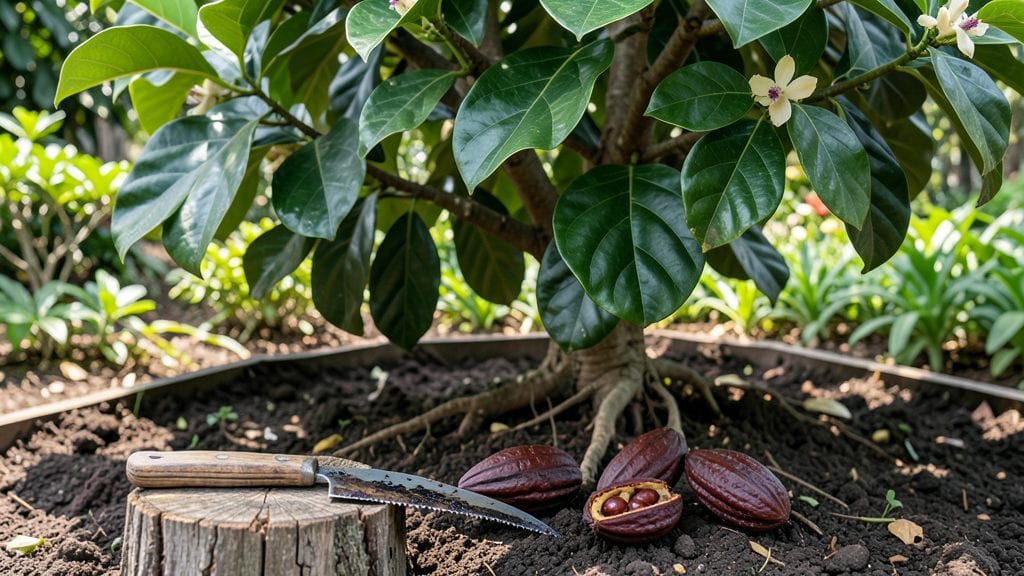
Growing cacao trees from seeds means turning chocolate into a living part of your garden—if you can get the seeds first. 🌱 The challenge isn’t just finding them; it’s finding viable seeds that’ll sprout into strong trees.
I’ve tracked down sources from tropical nurseries to ethical suppliers, and here’s how to do it right without breaking legal or ethical rules.
Your best options start with reputable sellers who specialize in tropical seeds—look for companies that ship cacao seeds with germination guarantees. If you’re lucky enough to have access to fresh cacao pods, save the seeds only from fully ripe, healthy fruit, then clean and dry them immediately.
Storage is key: wrap seeds in damp paper towels and refrigerate them until planting to preserve viability.
Once you’ve got your seeds, you’ll need warm, humid conditions to mimic their tropical home—think 75–85°F and high humidity. The soil should be rich, slightly acidic, and well-draining, with plenty of organic matter.
Plant the seeds just below the surface and keep them consistently moist until sprouts appear, which can take 2–4 weeks if conditions are perfect.
This isn’t a quick project—cacao trees take 3–5 years to bear fruit—but the process is rewarding. Whether you’re growing for chocolate-making or just the adventure, start with the right seeds and give them the care they need. Here’s how to make it work in your garden.
📚 In This Guide
- What you need
- Instructions
- Tips and common mistakes
- Wrapping up and next steps
What you need
- ● Fresh cacao beans or pods: 5–10 pods (or 20–30 seeds) from a cacao tree (Theobroma cacao). Ensure they’re fermented and dried (or fresh if sourcing directly from a pod).
- ● Knife or pruning shears: Sharp and clean for opening pods or cutting seeds.
- ● Paper towels or coir mats: For seed germination (2–3 sheets).
- ● Spray bottle with water: To keep seeds moist without overwatering.
- ● Small pots or seed trays: 3–4 inch diameter (biodegradable pots work great!).
- ● Well-draining potting mix: A blend of peat moss, perlite, and coconut coir (or a tropical plant mix). Avoid heavy clay soil.
- ● Humidity dome or plastic wrap: To maintain moisture during germination.
- ● Grow lights or sunny windowsill: Cacao seeds need warmth (75–85°F) and indirect light (12+ hours/day).
- ○ Thermometer (optional but helpful): To monitor soil temperature.
- ● Seedling heat mat: Speeds up germination if your climate is cool.
- ● Fertilizer (balanced, low-nitrogen): Like fish emulsion or compost tea for young seedlings.
- ● Pest control (neem oil or insecticidal soap): Cacao is prone to pests like spider mites.
- ● Trellis or support stakes: For when seedlings grow taller (cacao is a climbing plant!).
- ● Journal or labeling tags: Track seed varieties and growth progress!
Step-by-Step instructions for extracting and germinating cacao seeds
Turn store-bought chocolate into living cacao trees—here’s how to unlock the seeds and coax them to sprout.
🌱 Step 1: Extract Seeds from Fermented Chocolate
Start with high-quality, 70% or darker chocolate bars containing real cacao beans. Break the chocolate into small pieces and place them in a quart-sized mason jar filled with warm water (around 100°F). Let it soak for 24 hours—this softens the cocoa butter and loosens the seeds.
After soaking, gently rub the chocolate between your fingers under running water to separate the seeds from the cocoa mass. You’ll need 4-6 plump, ivory-white seeds per jar (enough for your 4 servings). Rinse them thoroughly to remove any residual chocolate. Real talk: If seeds feel slimy or shriveled, they won’t germinate—discard those immediately.
💧 Step 2: Prepare Seeds for Germination
Fill a shallow ceramic dish (like a saucer) with lukewarm water (around 85°F). Place the cleaned seeds in the water, ensuring they’re fully submerged. Cover the dish with plastic wrap and leave it in a warm, dark spot (like a pantry or under the sink) for 5-7 days. Check daily—you’ll see tiny white roots (½ inch long) emerge first, followed by a brown taproot that signals readiness for planting.
Don’t let the water get stagnant—change it every 48 hours to prevent mold. If you see fuzzy white growth on the seeds, rinse them immediately and refresh the water. This step is the moment that matters: Seeds with strong, fibrous roots will grow into sturdy trees, while weak or mushy ones will fail.
☀️ Step 3: Plant Germinated Seeds in Moist Potting Mix
Fill 4-inch biodegradable pots with well-draining potting mix (avoid garden soil—it’s too dense). Moisten the mix until it’s damp but not soggy. Using your finger, make 1-inch-deep holes—just deep enough to bury half the seed’s length. Gently place one seed per pot, roots-down, and cover lightly with mix. Press down very gently to ensure contact with the soil.
Place the pots in a humid propagator (or cover with a clear plastic bag) and set them in bright, indirect light (like a north-facing window). Keep the soil consistently moist—not wet, not dry. You’ll see first true leaves (not the initial seed leaves) in 3-4 weeks. Here’s the thing—if the soil dries out now, the seeds will rot before sprouting.
🌿 Step 4: Transition to Direct Sunlight Gradually
Once seedlings reach 4 inches tall and show 4-5 leaves, remove the propagator cover. Move them to a south-facing window or under a grow light for 12-14 hours daily. Cacao thrives in 75-85°F and 70% humidity, so a pebble tray with water beneath the pots helps maintain moisture. Rotate pots weekly so stems grow straight—you’ll notice leggy growth if they stretch toward the light.
After 8 weeks, when seedlings have 6-8 leaves, transplant them into 1-gallon pots with fresh potting mix. This prevents root-bound stress. Real talk: Cacao is sensitive to cold—never let temps drop below 60°F, or the leaves will yellow and drop. If you live in a cool climate, keep them indoors year-round until they’re established outdoors in USDA Zone 10+.
Tips & tricks for germinating cacao seeds successfully
Transforming chocolate into living cacao trees takes patience—and these insider tips will help you avoid common pitfalls along the way.
The Chocolate Quality Factor: Not all chocolate contains viable cacao seeds. Look for bars labeled with 70% cocoa or higher and check the ingredients list for "cacao beans" rather than just "cocoa." Dark chocolate with milk or sugar additives often contains processed cocoa powder instead of whole beans. Confession: I skipped this step for years and wondered why my seeds never sprouted—always verify the ingredients first!
Temperature Precision in Step 1: That 100°F warm water in Step 1 isn't just warm—it should feel comfortably hot to your fingers but not scalding. Too hot and you'll melt the cocoa butter prematurely; too cool and the seeds won't separate properly. I use a kitchen thermometer to confirm the temperature, especially when working with multiple jars. The goal is to soften the chocolate without cooking the seeds.
Germination Environment Secrets: The 5-7 day germination period in Step 2 is your critical window. Place your ceramic dish in a spot that stays consistently between 75-85°F—a warm pantry or above the fridge works well. I've found that setting the dish on top of the refrigerator (not inside) maintains the perfect temperature without direct light. The plastic wrap creates a humid microclimate that mimics tropical conditions, but remember to remove it briefly each day to check for root development and prevent mold.
Planting Technique That Changed Everything: When planting your germinated seeds in Step 3, focus on the 1-inch depth—this prevents both rot (too deep) and stem damage (too shallow). I press the soil gently around the seed to eliminate air pockets, then place the pots on a tray filled with pebbles and water to maintain humidity. This method keeps the soil consistently moist without overwatering, which is crucial since cacao seeds rot easily when soggy.
Pro Tips for Get Cacao Seeds In Grow A Garden
- Transforming chocolate into living cacao trees takes patience—and these insider tips will help you avoid common pitfalls along the way.
- The Chocolate Quality Factor: Not all chocolate contains viable cacao seeds.
- Temperature Precision in Step 1: That 100°F warm water in Step 1 isn't just warm—it should feel comfortably hot to your fingers but not scalding.
Frequently asked questions
Got questions about growing cacao from seeds? Here are some of the most common ones—plus quick answers to help you get started!
How do I know if my cacao seeds are viable?
Fresh cacao seeds should be plump, firm, and slightly moist (like a raw almond). If they’re shriveled, dry, or moldy, they’re likely unusable. For best results, use seeds from fermented cacao beans—unfermented seeds may not sprout. Test viability by soaking a few in water for 24 hours; if they sink and show a tiny crack, they’re ready!
How long does it take for cacao seeds to germinate?
Patience is key! Cacao seeds typically germinate in 2–4 weeks under ideal conditions (warmth, humidity, and consistent moisture). If your seeds haven’t sprouted after 6 weeks, they may need a bottom heat source (like a seedling mat) or fresh seeds. Keep the soil warm (70–80°F) and moist but not soggy.
Can I grow cacao from store-bought chocolate?
Unfortunately, no—store-bought chocolate contains additives, sugar, and milk that prevent germination. You’ll need raw, fermented cacao beans (or seeds) from a specialty store, online supplier, or even a cacao pod if you’re lucky enough to find one! Look for "cacao nibs" or "cacao beans" labeled as 100% pure.
What’s the best climate for growing cacao seeds?
Cacao thrives in tropical climates with year-round warmth (68–86°F), high humidity (70–90%), and partial shade. If you’re in a cooler zone, start seeds indoors under grow lights and transplant outdoors only when temperatures stay above 60°F. A greenhouse or shaded patio can help mimic ideal conditions.
Why did my cacao seedlings die?
Common culprits include overwatering (root rot), cold drafts, or low humidity. Cacao seedlings are delicate—ensure they’re in well-draining soil, misted daily, and protected from direct wind. If leaves yellow or wilt, check for pests (like spider mites) or adjust care. Slow and steady wins with cacao!
Still stumped? Drop your question in the comments—we’re happy to help troubleshoot!
Wrapping up and next steps
Growing cacao from seeds is a rewarding journey that connects you to nature’s rich flavors—and now, you’ve got all the tools to succeed! 🌱 From sourcing high-quality cacao beans to nurturing your seedlings, every step brings you closer to a thriving cacao tree. Start small, stay patient, and let your green thumb shine!
Ready to take the next step? Plant those seeds, tend to your saplings, and watch your garden transform into a mini cacao paradise. Happy growing!